Nigeria’s Economy Accelerates as Q2 2026 GDP Growth Rises to 4.43%, FG Targets $1 Trillion Economy
Reported By Facthabournews
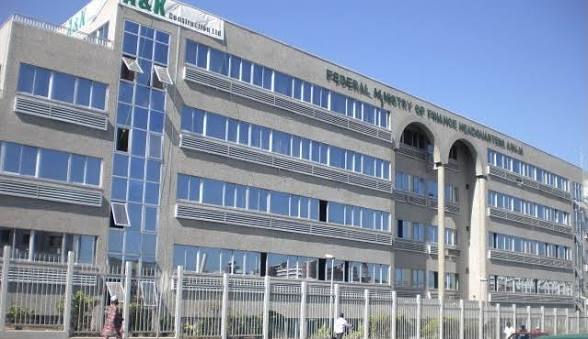
Nigeria’s economy recorded stronger growth in the second quarter of 2026, with real Gross Domestic Product (GDP) expanding by 4.43 per cent year-on-year, according to a statement issued by the Federal Ministry of Finance on Tuesday, September 1, 2026.
The latest figure represents an improvement from the 4.23 per cent growth recorded in the second quarter of 2025 and the 3.89 per cent recorded in the first quarter of 2026, indicating that economic activity has continued to strengthen across several sectors.
The Federal Ministry of Finance said the performance reflects growing resilience in the Nigerian economy and described the latest figures as evidence that the country’s economic recovery is gaining momentum.
According to the ministry, the stronger second-quarter performance also lifted Nigeria’s real GDP growth for the first half of 2026 to 4.16 per cent, compared with 3.68 per cent recorded during the corresponding period of 2025.
The ministry said the latest figures point to sustained improvement in economic activity and greater contributions from different areas of the economy.
One of the notable features of the Q2 2026 performance is the increasing breadth of economic growth. According to the Federal Ministry of Finance, 27 economic subsectors recorded real growth of more than 3.0 per cent during the quarter, compared with 23 subsectors that achieved the same level of growth in Q2 2025.
The government said the development suggests that economic expansion is becoming more broad-based instead of being concentrated in only a limited number of industries.
The productive sectors also recorded stronger performances during the period under review.
Manufacturing grew by 3.24 per cent in Q2 2026, more than double the 1.60 per cent growth recorded in Q2 2025.
The ministry attributed the improvement to stronger industrial output, adding that the performance of the manufacturing sector remains important to the government’s efforts to strengthen domestic production and reduce economic dependence on imports.
Agriculture also recorded significant improvement, growing by 4.39 per cent in Q2 2026, compared with 2.82 per cent in Q2 2025.
The Federal Ministry of Finance said the stronger agricultural performance points to increased production and improvements across agricultural value chains.
Nigeria’s services sector, which remains the largest contributor to economic activity, also expanded during the quarter.
According to the ministry, the services sector recorded 4.60 per cent growth in Q2 2026, compared with 3.94 per cent in the same quarter of 2025.
The government said the combined performance of manufacturing, agriculture and services demonstrates that growth is becoming increasingly distributed across major components of the Nigerian economy.
The Federal Ministry of Finance also highlighted the role of exchange-rate developments in the improvement of Nigeria’s economy when measured in United States dollar terms.
According to the ministry, the naira appreciated by more than 12 per cent between the first half of 2025 and the first half of 2026.
The ministry said the exchange-rate movement contributed to an estimated 17 per cent expansion of Nigeria’s economy in U.S. dollar terms over the period.
The government argued that continued exchange-rate stability, together with sustained economic growth and social programmes, could help strengthen dollar-denominated incomes and purchasing power.
The ministry further said these developments could contribute to efforts aimed at reducing poverty and improving living standards for millions of Nigerians.
The latest economic figures have also renewed attention on the Federal Government’s long-term ambition of building a $1 trillion Nigerian economy by 2030.
According to the Ministry of Finance, the current growth momentum places Nigeria in a stronger position to consolidate its status among Africa’s largest economies and make further progress towards the $1 trillion GDP target.
The ministry also cited an International Monetary Fund projection which ranks Nigeria among the top 10 contributors to global real GDP growth in 2026.
According to the statement, the IMF projects Nigeria to account for approximately 1.5 per cent of global economic growth in 2026, putting the country ahead of several advanced and emerging economies in terms of its contribution to worldwide growth.
The Federal Ministry of Finance said continued macroeconomic stability, sustained growth across productive sectors and improving investor confidence could accelerate Nigeria’s economic expansion in the coming years.
The ministry further projected that these developments could support Nigeria’s ambition of becoming Africa’s largest economy by 2028.
However, sustaining the current growth trajectory will depend on several factors, including continued implementation of economic reforms, policy consistency, investment in productive sectors and improvements in the broader business environment.
The government acknowledged the importance of maintaining the momentum generated by ongoing reforms, saying the benefits of the changes must increasingly translate into improved economic opportunities and living conditions for households across the country.
The ministry said the government remains focused on achieving inclusive economic growth and ensuring that improvements in headline economic indicators are accompanied by tangible benefits for Nigerians.
The Q2 2026 GDP figures therefore provide an important indicator of the direction of Nigeria’s economy at a time when the government is pursuing major reforms aimed at strengthening public finances, improving investment conditions, increasing domestic production and stabilising the macroeconomic environment.
With real GDP growth accelerating to 4.43 per cent, first-half growth reaching 4.16 per cent, and stronger performances recorded across agriculture, manufacturing and services, the Federal Government believes Nigeria is moving in the right direction.
The government will nevertheless need to sustain reforms and address challenges affecting businesses and households if the current growth momentum is to translate into broader improvements in employment, income and living standards.
For now, the Federal Ministry of Finance says the latest economic performance demonstrates increasing resilience and provides a stronger foundation for Nigeria’s ambition of building a $1 trillion economy by 2030.
The government said it would continue working towards macroeconomic stability, inclusive growth and shared prosperity for Nigerians as the country seeks to strengthen its position in Africa and the global economy.
Reported By Facthabournews
