
CIA Chief Warns Russia Against Attacking NATO During Moscow Visit
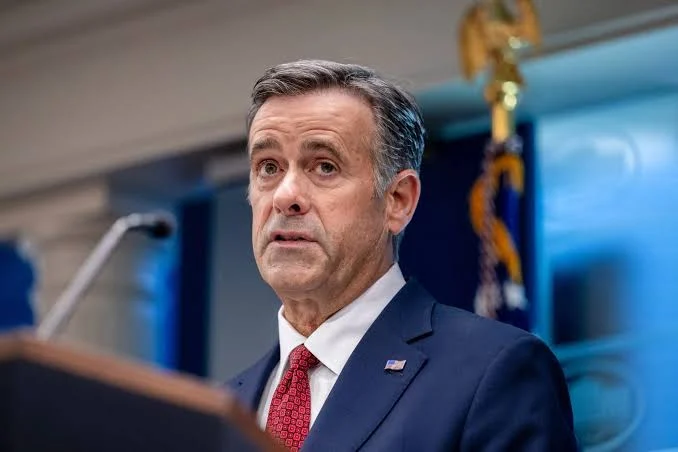
CIA Director John Ratcliffe travelled to Moscow this week to deliver a warning to Russian officials against launching an attack on NATO member states, according to U.S. media reports.
The unusual visit came amid growing concerns within the United States that Russia could attempt to test NATO’s resolve through a limited military or hybrid attack on an alliance member.
Ratcliffe Holds Talks With Russian Intelligence Officials
Ratcliffe met with Russian intelligence officials during his visit but did not meet President Vladimir Putin, Kremlin spokesman Dmitry Peskov confirmed.
Peskov said Putin was briefed on the outcome of the discussions, although he declined to disclose what was discussed.
The Kremlin described contacts between the two countries’ intelligence services as a positive development but said it was too early to determine whether the engagement would improve the strained relationship between Washington and Moscow.
Warning Over Possible NATO Attack
According to people familiar with the visit cited by the Wall Street Journal, Ratcliffe’s mission included warning Russia against attacking NATO countries.
U.S. intelligence assessments have reportedly raised concerns that Moscow could attempt to test the alliance with a limited assault, potentially involving cyberattacks, sabotage, hybrid operations or a small-scale military incursion.
The concern is that Russia could seek to exploit divisions within NATO and test whether the United States and other members would respond collectively under the alliance’s mutual-defence commitments.
Trump Downplays Purpose of Visit
President Donald Trump confirmed that Ratcliffe had travelled to Moscow but described the trip as “semi-routine.”
Trump rejected suggestions that the CIA director’s mission was specifically connected to concerns about Russia testing NATO or to U.S. pressure on Iran.
He said the United States remained focused on ending the Russia-Ukraine war and suggested that something positive could emerge from the Moscow discussions.
The contrast between Trump’s public description and reports from U.S. officials about the NATO warning has added to the mystery surrounding the trip.
Iran Also Discussed
U.S. media reports indicate that Iran was another subject raised during Ratcliffe’s meetings in Moscow.
According to CBS News, Ratcliffe warned of possible additional sanctions if the Strait of Hormuz remains closed to shipping.
Russia has maintained close relations with Iran, while Washington has increased economic pressure on Tehran amid the ongoing conflict in the Middle East.
Rare CIA Director Visit
Ratcliffe’s Moscow trip was particularly significant because visits by serving CIA directors to Russia are extremely rare.
The last known visit by a CIA director to Moscow was in November 2021, when William Burns travelled to Russia and warned Putin against invading Ukraine. Russia subsequently launched its full-scale invasion of Ukraine in February 2022.
Ratcliffe’s visit therefore comes at another highly sensitive moment in U.S.-Russia relations, with the war in Ukraine continuing and diplomatic efforts to reach a settlement facing difficulties.
Security Concerns Growing
The reported warning comes as U.S. officials and Western security analysts increasingly focus on the possibility of Russia using unconventional tactics against NATO members.
Potential threats include cyberattacks, sabotage, drone operations and other actions designed to create pressure without immediately triggering a full-scale military confrontation.
Any direct attack on a NATO member would carry much greater consequences because of the alliance’s collective-defence commitments.
For now, neither the CIA nor the White House has publicly confirmed the specific purpose of Ratcliffe’s Moscow mission. The Kremlin has only confirmed that he held discussions with Russian intelligence officials.
The reported warning nonetheless underscores the increasingly delicate security environment between Russia, the United States and NATO.
This report is based on U.S. media reports and statements from the Kremlin. The specific details of Ratcliffe’s discussions have not been publicly confirmed by the CIA.
