Bill Gates Warns AI Could Do More Harm Than Good Without Strong Limits
Reported By Facthabournews
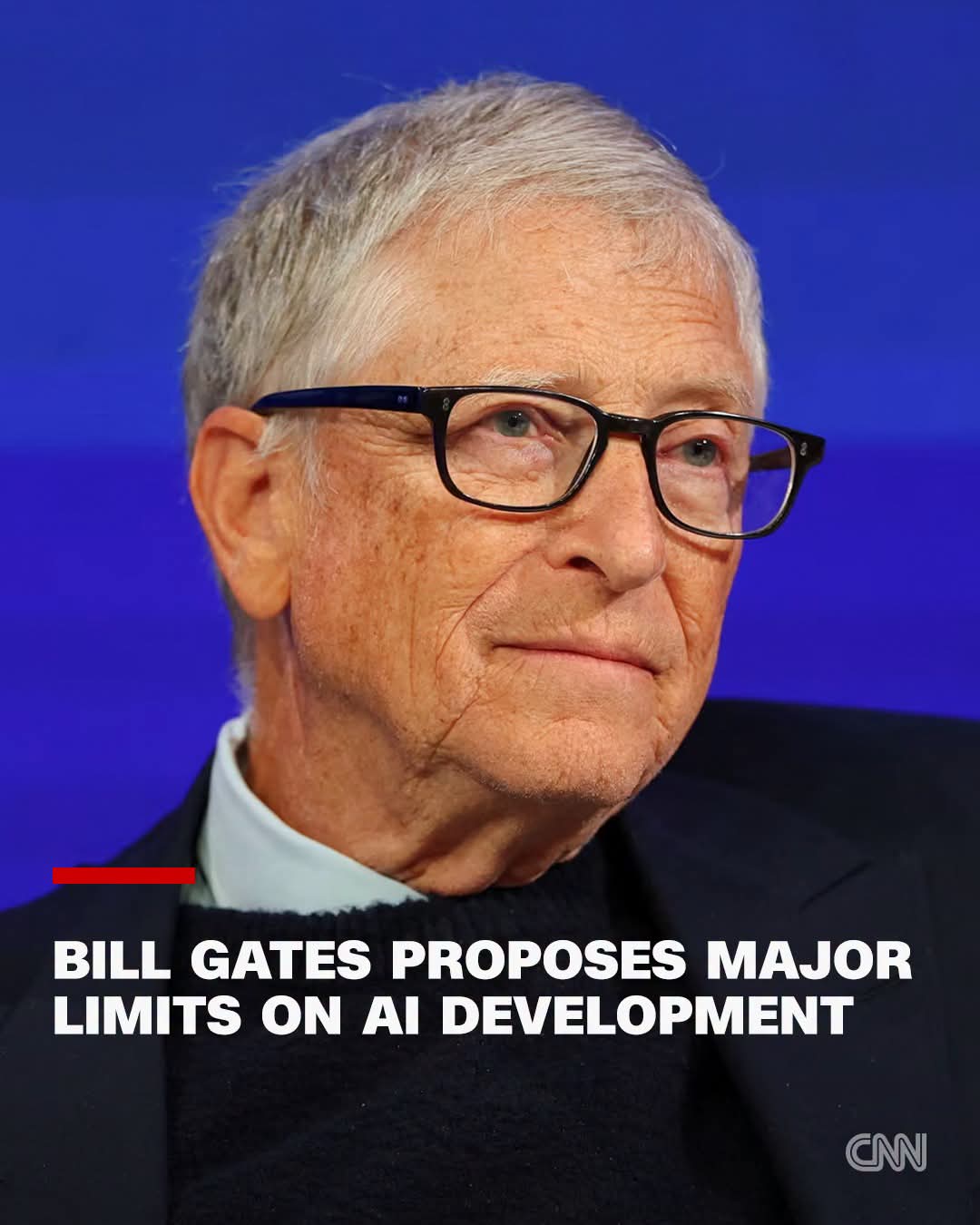
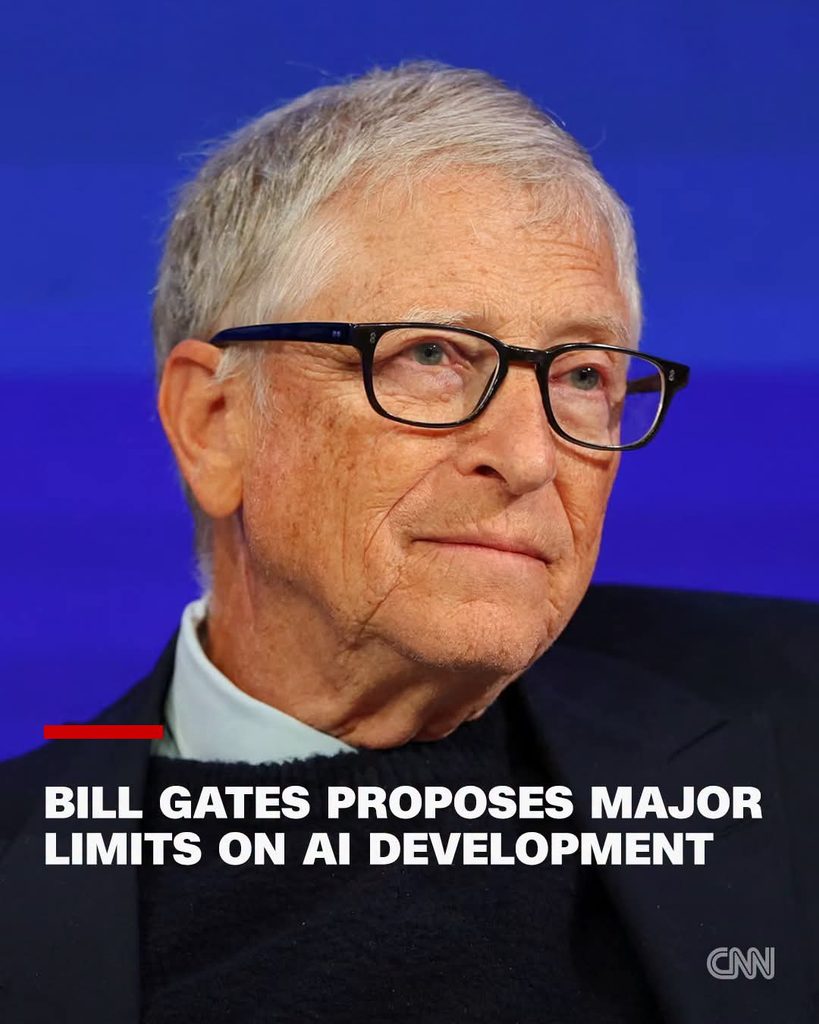
Microsoft co-founder Bill Gates has warned that artificial intelligence could cause greater harm than benefit unless governments and technology companies move quickly to put effective safeguards in place.
In a new 6,000-word essay published on Wednesday, Gates said AI has advanced much faster than he expected and that society is not adequately prepared for the consequences of the technology.
Gates Calls for Urgent AI Regulation
Gates said AI could become either a powerful tool for reducing inequality or a major source of injustice, depending on how governments and society manage its development.
He argued that existing institutions were not designed to deal with a technology capable of rapidly affecting employment, healthcare, education, national security, taxation and other areas of society.
According to Gates, there is currently no adequate global plan for managing the transition into the AI era.
Speaking to CNN, Gates said he was particularly concerned about AI’s growing ability to facilitate cyberattacks, bioterrorism and psychosocial harm. He said safeguards and clear criteria for evaluating dangerous AI models are currently insufficient.
Job Losses Among Major Concerns
Gates warned that many jobs could eventually disappear as AI and robotics become more capable.
He said entry-level and mid-level positions are particularly vulnerable, while some of the new jobs created by AI will require skills that take years to develop.
To reduce the impact, Gates has proposed measures including taxing AI-driven labour replacement and creating what he calls “Human Reserved” occupations where certain roles would deliberately remain for people.
He has suggested that jobs involving human care and relationships could be among those protected from full automation.
AI Could Increase Security Risks
The Microsoft co-founder also warned that AI could make it easier for criminals and other malicious actors to conduct cyberattacks, create sophisticated fraud and disinformation campaigns, and potentially develop biological threats.
He said the same technology that can help researchers develop medicines and vaccines could also potentially be misused to design dangerous biological agents.
Gates is calling for stronger international monitoring of AI systems capable of creating biological threats and other dangerous applications.
Concern Over Children and Human Relationships
Gates also raised concerns about the effect of AI companions and other AI tools on children.
He warned that excessive reliance on AI could affect children’s social development and critical-thinking abilities, particularly if AI systems replace real human interaction.
He argued that technology should enhance people’s lives without replacing important human relationships.
Gates Wants Global Cooperation
Gates believes the United States should take the lead in establishing stronger international AI safeguards.
He is also seeking discussions with Chinese President Xi Jinping, with the possibility of encouraging cooperation between the United States and China on restrictions targeting particularly dangerous AI models.
He has proposed creating an international organisation to oversee AI risks, drawing lessons from international systems used for nuclear inspections, aviation regulation and environmental protection.
AI Still Has Huge Potential
Despite his warnings, Gates said he remains optimistic about AI’s potential to improve healthcare, agriculture, education and other areas.
His argument is not that AI should be abandoned, but that its benefits must be maximised while its most serious risks are controlled.
He warned that failing to act before major job losses and other harms occur could lead to public backlash against the technology.
For Gates, the central challenge is ensuring that AI becomes a force for broad human progress rather than a technology that deepens inequality, destroys livelihoods and creates new security threats.
This report is based on statements by Bill Gates in his latest essay and interviews with CNN and Reuters. Gates’ concerns and proposed policy measures represent his views and are not established predictions of future AI outcomes.
