
UNIUYO WEARS A NEW LOOK, GETS NEW ACCESS ROADS
Thomas Thomas
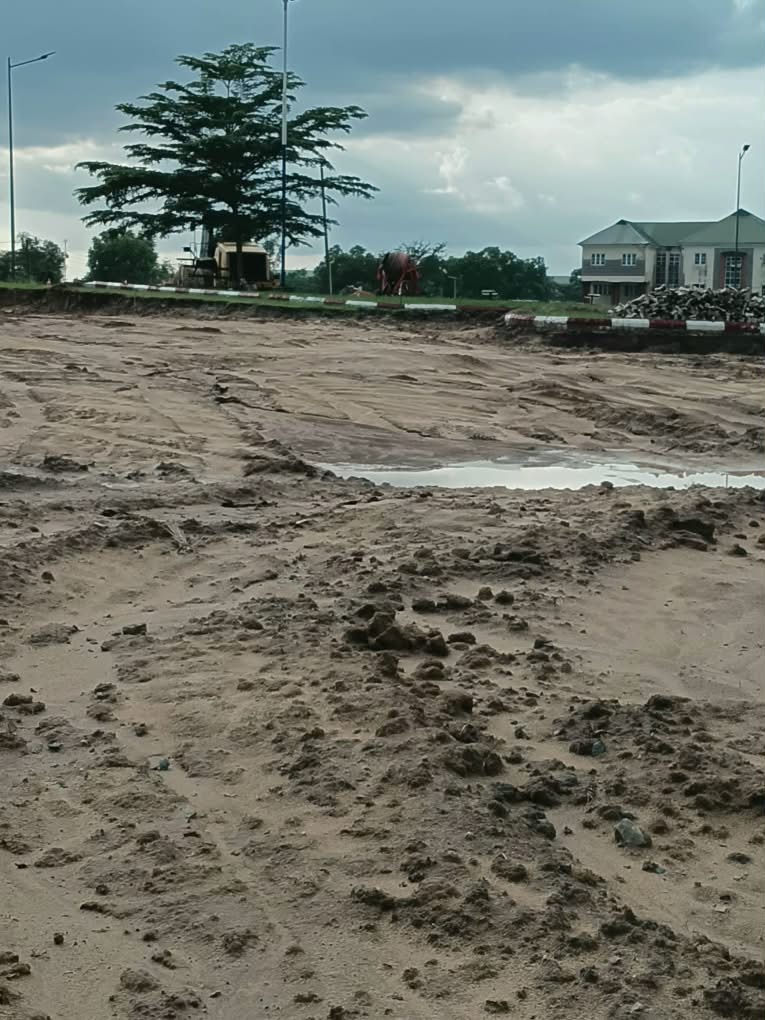
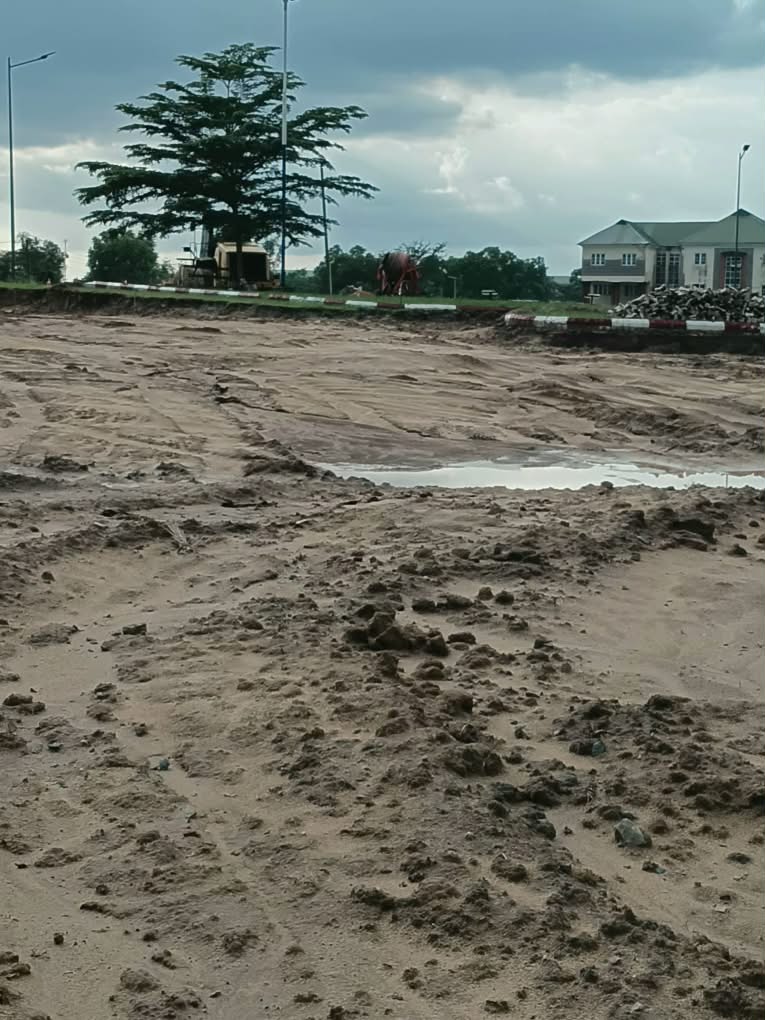
The Central Administration area of the University of Uyo, which houses the Office of the Vice-Chancellor and other key management offices, is wearing a remarkably new look under the administration of Professor Christopher Nyong Ekong. The immediate frontage of the administrative complex, which serves as one of the most visible faces of the University’s leadership and institutional authority, has been completely asphalted and landscaped, giving the area a more befitting, organised and aesthetically appealing appearance. What was once an ordinary administrative frontage has been transformed into an environment that reflects greater attention to infrastructure, environmental management and institutional aesthetics. The improvement is not merely cosmetic; it enhances accessibility, creates a more welcoming atmosphere for visitors and members of the University community, and gives the University’s administrative headquarters a renewed sense of dignity.
The transformation of the Central Administration frontage is particularly significant because of the strategic importance of the buildings and offices located within the area. As the nerve centre of the University’s administration, the environment surrounding the Vice-Chancellor’s office and other principal management offices communicates something about the institution’s priorities and standards. The asphalted frontage and accompanying landscaping therefore represent a visible expression of Professor Ekong’s determination to improve the University’s physical environment. More importantly, the development forms part of a broader environmental and infrastructural renewal programme that is gradually changing the appearance and functionality of the University’s campuses within the first four months of his administration.
For some members of the University of Uyo community, the sight of overgrown grasses, thick bushes and tall trees around departmental buildings had become an unfortunate part of everyday campus life. What should have been a serene academic environment was, in several locations, gradually becoming a landscape where vegetation competed with buildings for space, access roads were difficult to navigate and the presence of reptiles posed a source of concern.
That experience, however, appears to be giving way to a new environmental reality under the administration of the Vice-Chancellor, Professor Christopher Nyong Ekong, which has embarked on an extensive campus renewal exercise within its first four months.
Across the University’s campuses, the administration has undertaken extensive vegetation clearing, opened up previously obscured spaces and created new interdepartmental access and feeder roads. The objective is not merely to improve the physical appearance of the institution but also to make movement easier, enhance safety and restore the dignity expected of a university environment.
The extent of the previous environmental neglect becomes clearer when one listens to the experiences of some members of staff. In conversations with the Thominion crew, lecturers recounted encounters with snakes around their offices, with some admitting that they had, on different occasions, killed snakes, while others recalled narrowly escaping encounters with large reptiles.
For some of these lecturers, the situation was sufficiently uncomfortable that they had to make personal arrangements and pay for the cutting of grasses around their offices. In other words, maintaining a reasonably safe and accessible working environment had, in some instances, become an individual responsibility rather than an institutional provision.
It is against this background that the ongoing environmental intervention becomes particularly significant. What was previously taken for granted as an unavoidable feature of the University’s landscape is now receiving deliberate administrative attention.
One of the most remarkable examples of this transformation is the area directly in front of the Postgraduate School at the Main Campus. For years, the space existed largely as a thickly vegetated expanse, with little apparent recreational or functional value. It was, in practical terms, a bush-covered area that contributed little to the University’s environmental aesthetics or social life.
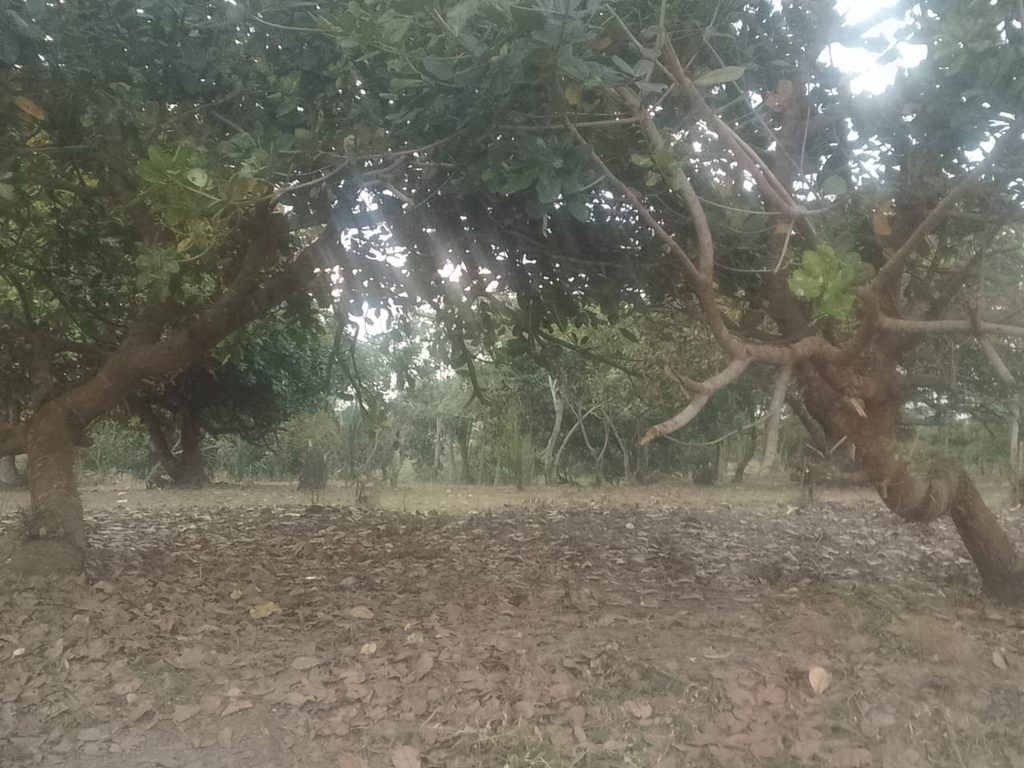
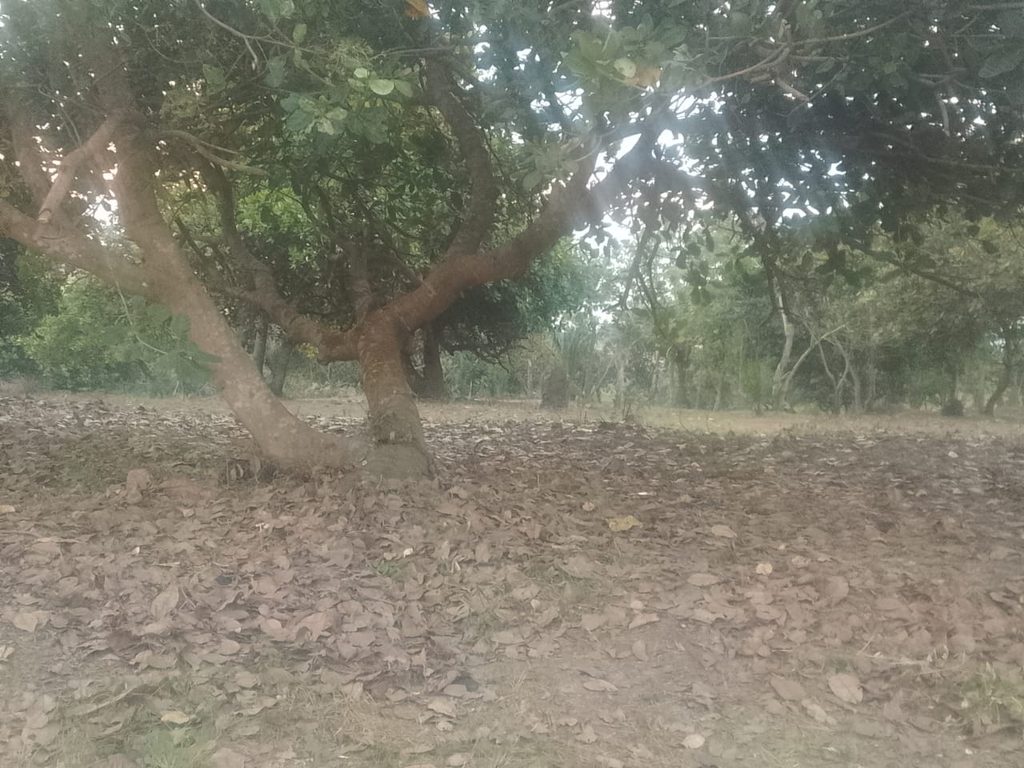
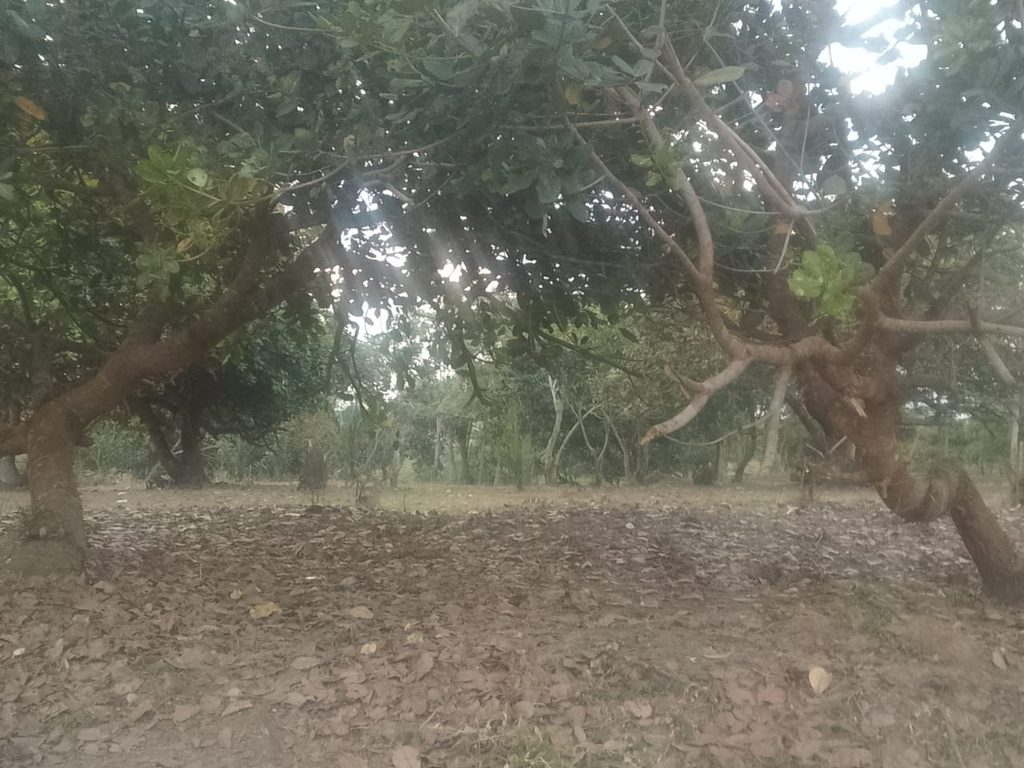
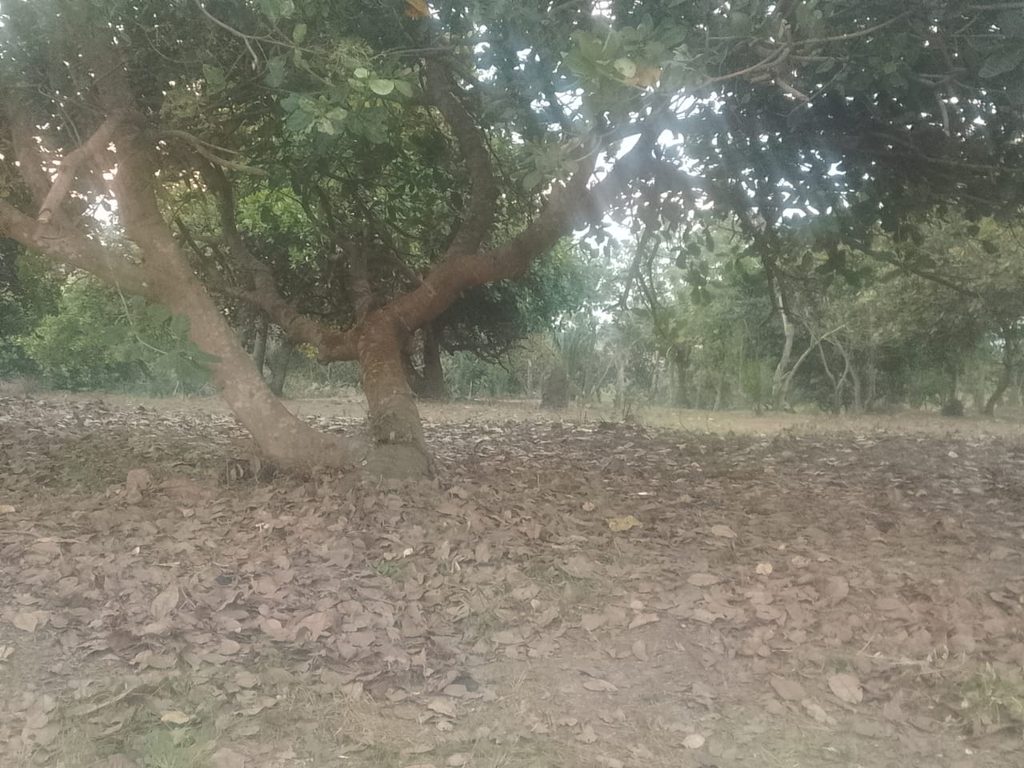
Today, that landscape has undergone a remarkable change. The thick vegetation has been cleared, and the formerly neglected space has been reclaimed and converted into a recreational and relaxation area. Interestingly, the administration has retained the cashew trees, allowing their natural canopies to provide shade for members of the University community.
This decision gives the space an additional environmental value. Rather than creating an entirely artificial recreational facility, the administration has utilised the existing natural landscape to provide a more inviting setting where students, lecturers, researchers and visitors can relax, interact and enjoy moments away from their regular academic and administrative engagements.
The creation of new interdepartmental access and feeder roads is another important dimension of the ongoing transformation. In a university with several faculties, departments, administrative offices and service facilities spread across extensive campuses, accessibility is essential to effective institutional functioning. Roads are not simply pathways; they are infrastructure that connects people, departments, services and opportunities.
By opening up new routes and improving access to different sections of the University, the Ekong administration is addressing a practical challenge that has affected campus mobility. The development is expected to reduce movement difficulties, improve access to departmental buildings and create a more coordinated physical environment.
Beyond the immediate benefits, the changes also raise an important question about the relationship between the physical environment and academic productivity. A university is not defined exclusively by its lecture theatres, laboratories, libraries, research publications and academic rankings. Its surroundings matter. Cleanliness, accessibility, safety, greenery and recreational facilities contribute significantly to the quality of institutional life.
A lecturer should be able to approach an office without worrying about dangerous reptiles lurking in the surrounding vegetation. A student should be able to move between departments without unnecessary difficulty. Visitors should encounter an environment that reflects the institution’s academic standing and aspirations. Equally, spaces within the University should encourage social interaction, reflection and relaxation.
The ongoing exercise therefore represents more than routine environmental sanitation. It is an attempt to reclaim institutional spaces that had, over time, become neglected and to reposition the University’s campuses as environments worthy of their academic responsibilities.
Perhaps the most important aspect of the emerging development is the speed with which these interventions have become visible. Within four months of Professor Ekong’s administration, areas that had remained overgrown and underutilised are receiving attention, while new access routes, landscaped surroundings and recreational spaces are changing the way members of the University community experience their environment.
The University of Uyo is, in effect, undergoing an environmental reawakening. From the renewed appearance of the Central Administration complex to the opening of previously obscured spaces, the reclamation of the Postgraduate School frontage and the creation of interdepartmental roads, the signs of change are becoming increasingly visible.
For an institution aspiring to greater academic and institutional relevance, the importance of a well-maintained physical environment cannot be overstated. After all, excellence in a university should not be confined to what happens inside its classrooms and offices; it should also be reflected in the environment that surrounds them.
Under Professor Christopher Nyong Ekong, the effort to restore order, improve mobility and create more functional campus spaces is becoming an important part of the University’s unfolding institutional story.
The message is simple: a university that seeks to produce excellence must also create an environment in which excellence can thrive.
