
Israel Government Formation: Netanyahu Gets Backing From Ben-Gvir’s Party as Opposition Endorses Eisenkot
By Ademola
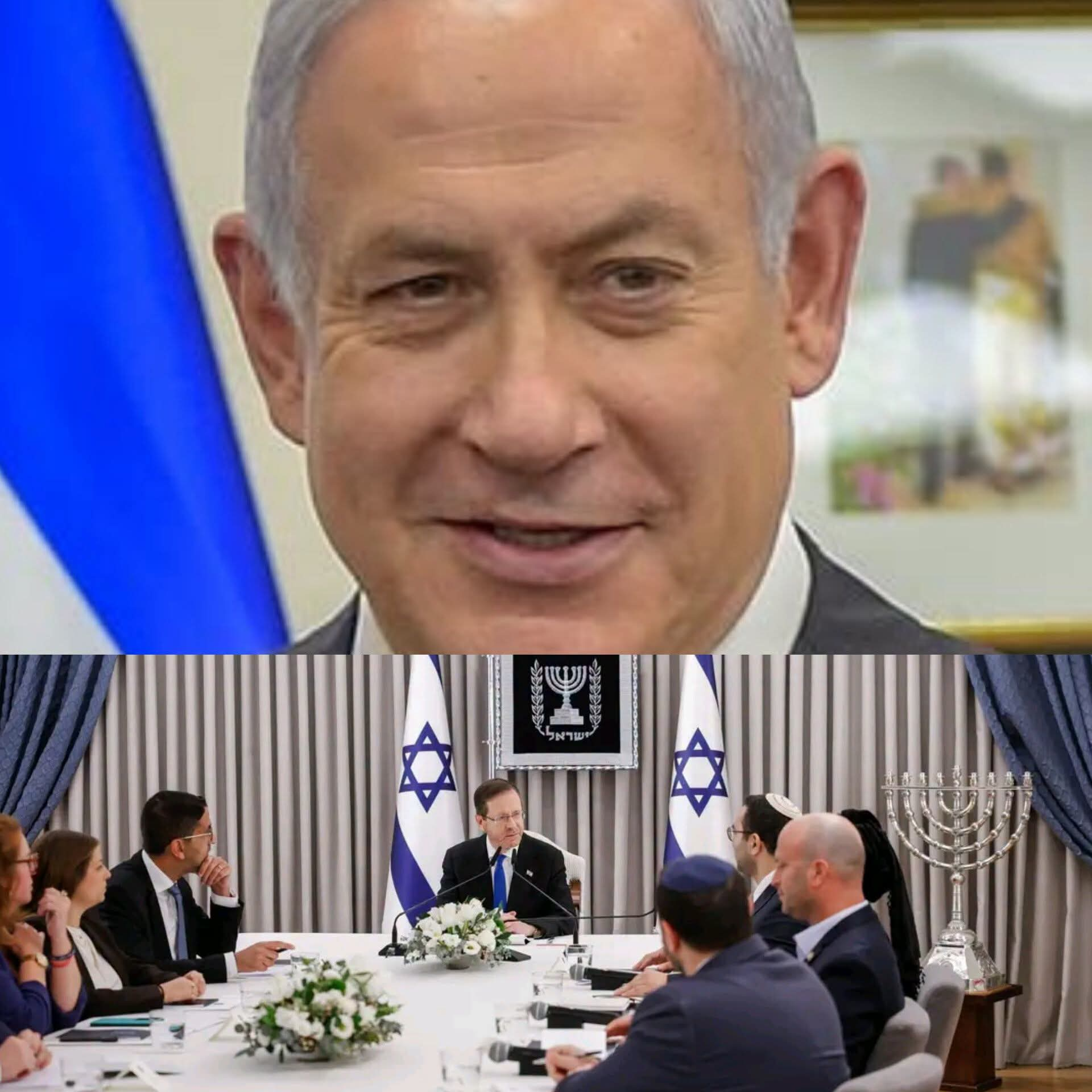
Israeli Prime Minister Benjamin Netanyahu has received a fresh endorsement from the far-right Otzma Yehudit Party, led by National Security Minister Itamar Ben-Gvir, as President Isaac Herzog continues consultations with political parties over the formation of the country’s next government.
The development comes after Israel’s October 27 parliamentary election left Netanyahu’s political bloc short of the 61 seats required to secure a majority in the 120-member Knesset.
Otzma Yehudit formally recommended Netanyahu to Herzog as its preferred candidate to receive the mandate to form the next government during consultations at the President’s Residence in Jerusalem on Thursday, November 5.
The party’s endorsement followed similar recommendations from Netanyahu’s Likud Party, Shas and the Religious Zionism Party, strengthening the outgoing prime minister’s support among right-wing and religious political groups.
However, the opposition has rallied behind former military chief Gadi Eisenkot, leader of the Yashar party, creating a competing political bloc seeking to take over the government.
Parties supporting Eisenkot include Yashar, the Democrats, B’Yachad, Yisrael Beytenu and the Arab-led Ra’am party. The backing from these groups has given Eisenkot’s side a significant advantage in the number of parliamentary representatives recommending him to the president.
According to election figures, Netanyahu’s bloc secured 53 seats, while the opposition parties aligned with Eisenkot hold 48 seats. Arab-led parties collectively secured 19 seats, making their position important in the government formation negotiations.
The opposition’s support for Eisenkot has also generated debate because some of its political leaders have publicly ruled out forming a coalition government with Arab-led parties, despite receiving their endorsement during the presidential consultations.
Meanwhile, the United Torah Judaism party has declined to recommend either Netanyahu or Eisenkot, further complicating the political calculations.
President Herzog is expected to consider the recommendations and assess which candidate has the strongest possibility of assembling a functioning parliamentary majority.
Under Israeli law, the president is not automatically required to appoint the leader of the party with the most seats. Instead, he must give the opportunity to the lawmaker he believes has the best chance of forming a government.
The selected candidate is initially given 28 days to negotiate and establish a governing coalition, with a possible extension of up to 14 days.
Netanyahu’s Likud emerged as the largest individual party with 27 seats, but the results weakened his political bloc’s ability to maintain control of the government.
The election has also intensified political disagreements over military-service exemptions for ultra-Orthodox men, relations with Arab political parties and the future direction of Israel’s government.
Herzog has urged political leaders to approach the negotiations with an open mind and consider possible compromises to avoid another election.
Although Netanyahu has secured the backing of several right-wing parties, Eisenkot’s growing support has made the presidential decision particularly significant.
The consultations are expected to determine who receives the first opportunity to negotiate a coalition, but the recommendations themselves do not guarantee that either candidate can successfully form a government.
