
INEC Establishes AI Unit to Combat Fake News and Election Manipulation Ahead of 2027 Polls
By Vincent Bassey
The Independent National Electoral Commission (INEC) has warned that the growing misuse of artificial intelligence (AI) poses a serious threat to Nigeria’s 2027 general elections, raising concerns over fabricated election results, fake announcements and digitally manipulated messages designed to influence voters.
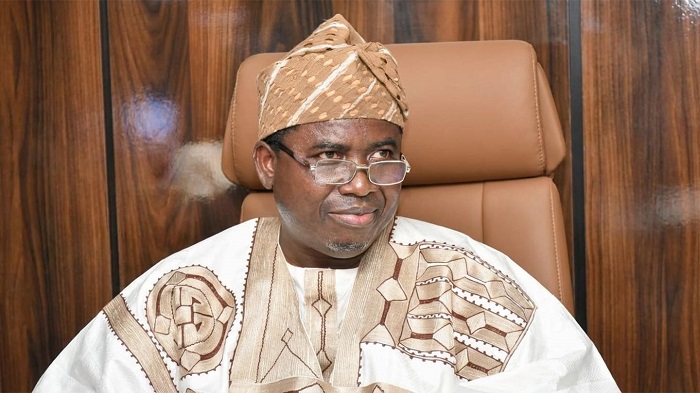
INEC Chairman, Professor Joash Amupitan, gave the warning in Abuja during a national summit on Artificial Intelligence, Foreign Information Manipulation and Interference (FIMI), and Electoral Information Integrity.
The summit, organised by the European Union Support to Democratic Governance in Nigeria (EU-SDGN), was themed “Beyond the Ballot: Safeguarding Electoral Information Integrity in the Age of AI.”
Amupitan disclosed that the commission had established an Artificial Intelligence Unit to strengthen its capacity to identify, monitor and respond to emerging technology-driven threats to electoral credibility.
He explained that advances in generative AI had made it increasingly easy for individuals and organised groups to produce convincing fake audio recordings, manipulated videos and fabricated official documents capable of misleading the public.
According to him, such materials could be used to impersonate election officials, announce fictitious polling arrangements, circulate false results or discourage eligible voters from participating in elections.
The INEC chairman identified continuous voter registration, political campaigns, the pre-election campaign blackout period and the announcement of election results as particularly vulnerable stages of the electoral process.
He warned that fake registration portals, manipulated voter records and false claims about cancelled elections could create confusion among citizens, while fabricated results circulated before official announcements could undermine confidence and potentially trigger violence.
Amupitan, however, stressed that artificial intelligence was not inherently harmful to democracy, noting that the technology could also improve voter registration, election logistics, data analysis and administrative efficiency.
He called for coordinated action involving electoral authorities, security agencies, media organisations, telecommunications companies, technology platforms and independent fact-checkers to address the growing threat.
The INEC chairman disclosed that the commission had signed memoranda of understanding with some social media platforms, including TikTok, as part of efforts to improve cooperation in managing election-related information.
He also urged media organisations and technology companies to establish rapid verification and communication channels that would allow false information to be identified and corrected before it spreads widely.
Amupitan emphasised that voter education must go beyond explaining voting procedures to helping citizens recognise manipulated content and verify election-related information through trusted sources. He recommended that such awareness campaigns should include Nigerian languages and Pidgin English.
He also cautioned that efforts to combat AI-generated misinformation must not become an excuse for censorship or the suppression of legitimate political opinions and dissent.
Former INEC Chairman, Professor Attahiru Jega, who chaired the summit, called on election management bodies to explore the positive application of artificial intelligence, particularly through chatbots capable of providing voters with verified information.
Jega recalled discussions at the 2024 Cambridge Conference on Electoral Democracy, where the potential of AI-powered chatbots to respond to voters’ questions using official information was highlighted.
He argued that electoral authorities should consider such innovations while remaining vigilant against the misuse of emerging technologies.
Delivering the keynote address, Professor Abigail Ogwezzy-Ndisika also participated in discussions on protecting electoral information integrity and strengthening public confidence in democratic processes.
The European Union Ambassador to Nigeria and the Economic Community of West African States, Gautier Mignot, warned that false information could disrupt voting arrangements and deepen public suspicion about election results.
He explained that fabricated announcements could send voters to incorrect polling locations, while false claims about election outcomes could create distrust before verified information reaches the public.
Mignot called for stronger partnerships between electoral institutions, journalists, fact-checkers and digital platforms, stressing the importance of establishing response mechanisms before election-related tensions intensify.
He noted that although artificial intelligence could improve translation, accessibility and communication, it could equally make deceptive content easier and faster to produce.
With the 2027 general elections approaching, INEC’s warning highlights the growing importance of information security alongside the physical security of polling units.
The commission says protecting electoral credibility will require technological preparedness, public awareness, institutional cooperation and the timely verification of information throughout the electoral process.
