
Lagos Fashion Week 2026 Puts African Creativity and Sustainable Fashion in Global Spotlight
By Edna Joseph
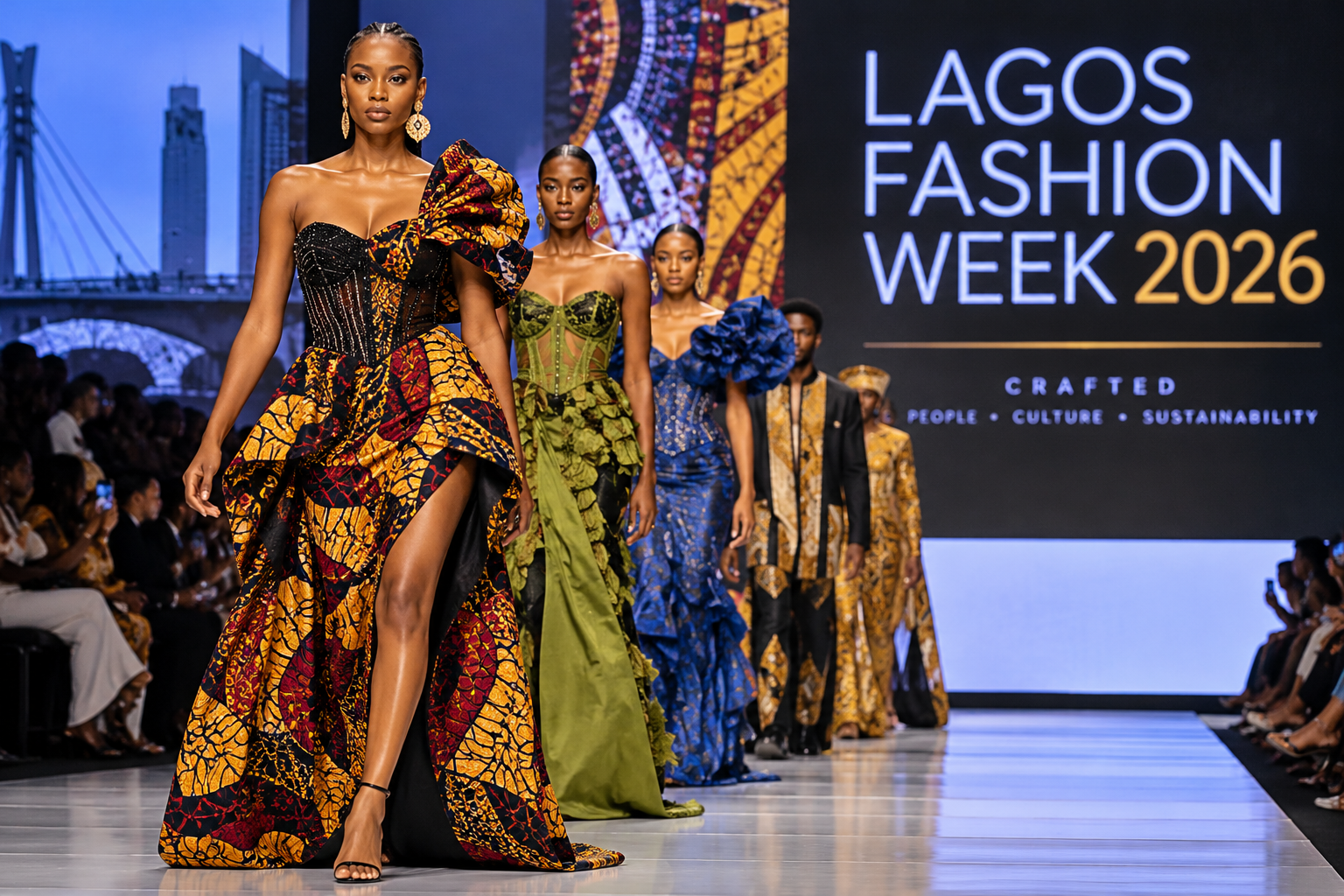
Lagos Fashion Week has returned for its 15th edition, bringing together Nigerian and international fashion designers, models, creative entrepreneurs and industry stakeholders to celebrate African creativity while placing greater emphasis on sustainability and the future of the fashion industry.
The five-day event, which opened in Lagos this week, is showcasing collections from dozens of Nigerian and African designers, providing a platform for emerging and established talents to present their work to international audiences.
This year’s edition is themed “Crafted”, highlighting the creativity, cultural heritage, technical skills and craftsmanship involved in producing African fashion.
The event comes at a time when African designers are attracting growing international attention for their ability to combine traditional cultural influences with contemporary fashion techniques. Collections displayed on the runway reflect the diversity of African identity through distinctive fabrics, colours, patterns, tailoring and innovative designs.
Cameroonian fashion designer Queen Tumenta said the growing international attention given to African fashion represents an opportunity for creatives who have long worked without sufficient global visibility.
She explained that African designers have always possessed the creativity and talent now attracting international interest, but are increasingly gaining platforms to communicate their ideas and showcase their work to wider audiences.
Beyond runway presentations, sustainability has emerged as a major focus of the 2026 edition. Organisers are encouraging conversations around responsible production, ethical supply chains and the need to ensure that African fashion businesses create lasting economic value within the continent.
A manifesto known as the Blueprint for a Regenerative Fashion Future has also been introduced to promote a more sustainable fashion industry. The initiative emphasises responsible use of resources, recognition of artisans and the development of supply chains that retain more economic value within Africa.
Industry observers say sustainability is becoming increasingly important as fashion businesses face questions about production practices, environmental impact, waste management and the treatment of workers across the supply chain.
For African designers, the challenge is to balance creativity and commercial success with responsible production methods that can support long-term growth.
Lagos Fashion Week has developed into an important platform for connecting designers with buyers, investors, fashion media, manufacturers and other industry professionals. Its continued growth also reflects the expanding influence of Nigeria’s creative economy.
The fashion industry provides opportunities beyond designing and modelling. Textile production, photography, beauty services, manufacturing, logistics, retail and media are among the areas that benefit from the activities surrounding major fashion events.
The latest edition therefore highlights the need to move beyond the glamour of runway shows towards building a stronger fashion business ecosystem capable of creating employment, attracting investment and expanding international trade.
As Lagos Fashion Week continues, attention will remain on the designers presenting their collections and the industry’s efforts to combine African cultural identity with innovation, sustainability and commercial development.
