
FG Introduces USSD Loan Service for Nigerians Without Internet Access: How to Apply
By John Jackson
The Federal Government has introduced a new USSD-based credit service designed to help Nigerians access consumer loans without requiring smartphones, mobile applications or internet connectivity.
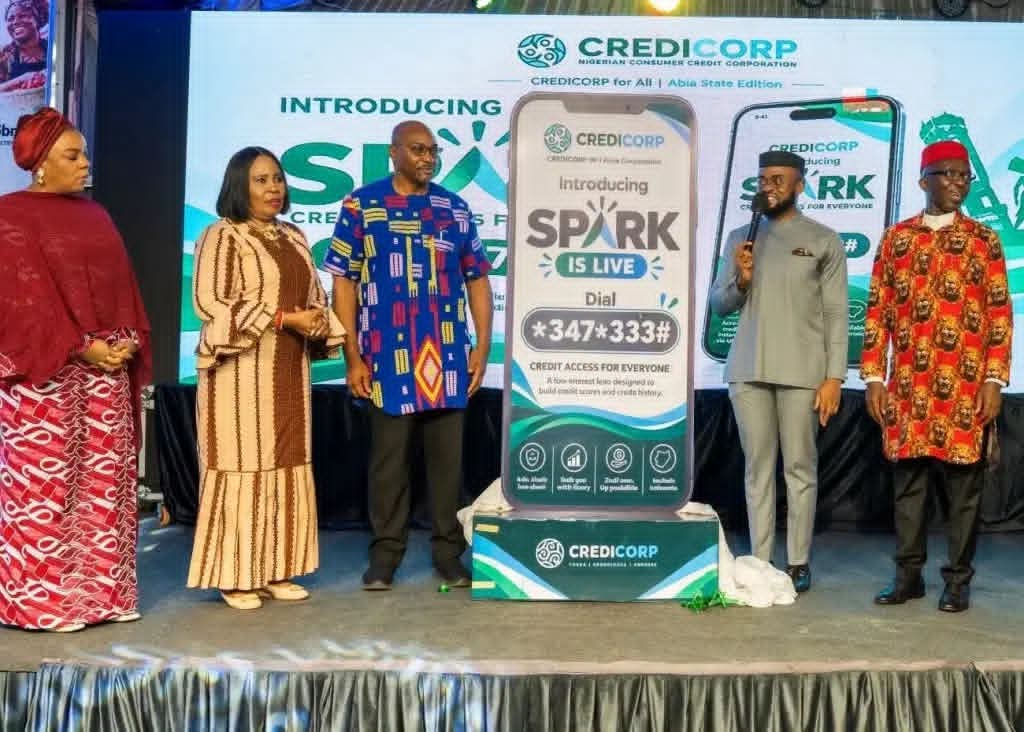
The initiative, known as SPARK, was unveiled by the Nigerian Consumer Credit Corporation (CREDICORP) as part of efforts to expand access to affordable consumer credit, particularly for low-income earners, first-time borrowers, traders and Nigerians who are underserved by conventional financial institutions.
Unlike traditional digital lending platforms that require internet-enabled devices, SPARK uses Unstructured Supplementary Service Data (USSD) technology, allowing users to access the service through basic mobile phones.
According to information published by Vanguard, interested Nigerians can access the service by dialling *347*333# on their mobile phones and following the instructions displayed.
The product is intended to simplify access to credit while helping borrowers establish formal credit histories. CREDICORP explained that individuals who borrow responsibly and repay their loans as agreed could gradually improve their credit profiles and create opportunities for accessing additional financial services.
How to access the FG’s SPARK service
Interested Nigerians can follow these steps:
- Use a mobile phone with an active SIM card.
- Dial *347*333#.
- Follow the instructions displayed on the phone screen.
- Provide the information requested through the service.
- Follow the applicable assessment and loan-processing instructions.
The service is designed to work without an internet connection or smartphone.
However, CREDICORP has not yet published comprehensive details of the loan amounts, interest rates, repayment periods and full eligibility requirements. Prospective applicants should therefore confirm the terms through official CREDICORP communication channels before accepting any credit offer.
Why the Federal Government introduced SPARK
The product was unveiled during CREDICORP’s CREDICORP for All showcase in Aba, Abia State, where the corporation highlighted consumer credit opportunities for more than 1,000 residents.
The event brought together beneficiaries, participating financial institutions, local vendors and government representatives to demonstrate how consumer financing could support businesses and improve household livelihoods.
Activities included credit-access demonstrations for market women and traders, presentations on the YouthCred initiative for young Nigerians, and the showcasing of credit-backed tricycles for transport operators.
The event also featured locally assembled tricycles made available through CREDICORP’s Securing Consumer Access for Local Enterprises (S.C.A.L.E.) initiative.
Speaking at the event, CREDICORP Managing Director and Chief Executive Officer, Uzoma Nwagba, said consumer credit should be accessible to working Nigerians rather than remaining an opportunity available to only a limited section of the population.
He explained that SPARK would help Nigerians begin building credit histories, while other programmes under the corporation would support traders, young people and transport operators.
Over N53.5 billion in consumer credit facilitated
CREDICORP disclosed that it had facilitated more than N53.5 billion in consumer credit for over 351,000 Nigerians since commencing operations, with women accounting for approximately 59 per cent of beneficiaries.
The corporation said its broader objective was to extend responsible consumer financing to more Nigerians, support productive activities and strengthen financial inclusion.
With the introduction of SPARK, the Federal Government hopes to reach people who have limited access to formal credit services because they lack smartphones, internet connectivity or established borrowing records.
The initiative is expected to become more widely available to Nigerians before the end of 2026.
Nevertheless, borrowers are encouraged to understand the applicable interest rates, repayment conditions and other loan obligations before accepting credit. Responsible borrowing and timely repayment remain essential to building a positive credit history.
