
2027 Elections: INEC Chairman Assures Nigerians Past Electoral Mistakes Will Not Be Repeated
By Ademola
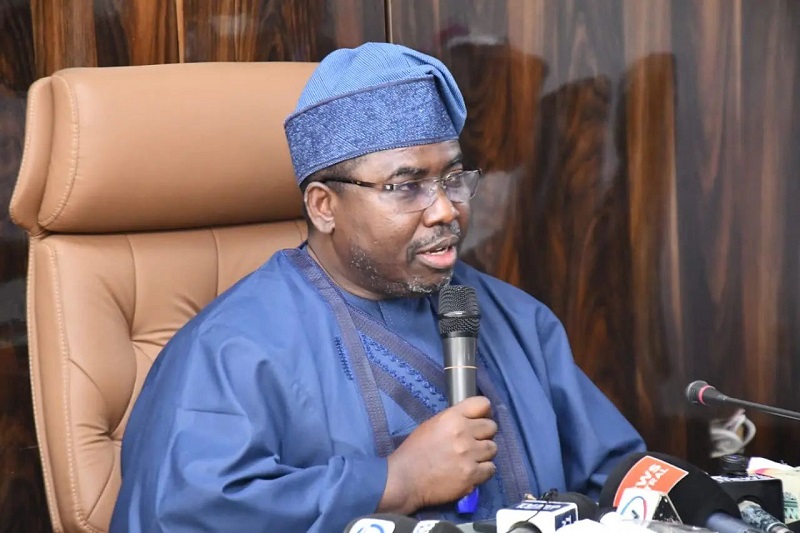
The Chairman of the Independent National Electoral Commission, Professor Joash Amupitan, has assured Nigerians that the commission is taking steps to prevent a recurrence of the technical and operational challenges that affected previous elections, particularly the 2023 general election.
Amupitan said INEC was reviewing past experiences, strengthening its technological infrastructure and improving its operational preparations to ensure that the 2027 general elections are conducted transparently and credibly.
The assurance comes amid growing public concerns about the credibility of the electoral process, especially following the controversy surrounding the electronic transmission of results during the 2023 presidential election.
Speaking at a citizens’ town hall on the Electoral Act 2026 in Abuja, the INEC chairman said the technical glitch blamed for the failure to upload polling-unit results to the INEC Result Viewing Portal in real time had been addressed.
“The glitch is eliminated; by God’s grace, it will not surface in Nigeria,” Amupitan said, expressing confidence that improvements in the commission’s systems would prevent a similar experience in 2027.
He acknowledged that although the Bimodal Voter Accreditation System had been tested during off-cycle governorship elections before 2023, the nationwide presidential election exposed weaknesses in the level of testing and preparation.
According to him, electoral technology must undergo adequate testing before deployment, particularly when it is expected to operate across different states with varying network conditions and infrastructure challenges.
The commission is also planning a mock presidential election to test its electronic result-transmission system across state boundaries before the actual polls. The exercise is expected to help identify technical weaknesses and improve the commission’s ability to manage results during a nationwide election.
Amupitan further explained that provisions allowing alternative methods of result collation are intended as safeguards rather than an indication that INEC expects electronic transmission to fail.
He maintained that the commission’s objective is to deliver what he described as a near-perfect election, while acknowledging that successful electoral operations also depend on logistics, infrastructure and the availability of reliable communication networks.
In a separate development, the INEC chairman recently conducted a readiness assessment visit to Gombe State, where he reviewed preparations, inspected facilities and met electoral officials.
During the visit, he urged INEC personnel to remain committed to their responsibilities and ensure that the 2027 elections are free, fair, inclusive and credible. He also disclosed that the commission had ordered additional BVAS machines and was auditing existing equipment following lessons from previous elections.
The presidential and National Assembly elections are scheduled for January 16, 2027, while governorship and State Houses of Assembly elections are scheduled for February 6, 2027.
Despite the assurances, questions about electoral transparency and public confidence remain prominent in national discussions. Political parties, civil society organisations and election observers have continued to demand accountability, reliable technology and strict compliance with electoral laws.
The controversy surrounding the preliminary voters’ register has also increased scrutiny of the commission, with political parties demanding explanations over suspected AI-generated photographs identified in the online register. INEC has acknowledged the concerns and announced an investigation.
As preparations continue, Nigerians will be watching whether the commission can translate its assurances into practical improvements in voter accreditation, result transmission, logistics, transparency and the management of election-day challenges.
Amupitan’s promise has therefore placed considerable responsibility on INEC to demonstrate that the lessons of previous elections have been properly addressed before voters go to the polls in January 2027.
