
Ebola Response: PAICA Calls for Professional Cleaners to Be Included in Emergency Plans
By Vincent Bassey
The Pan-African Industrial Cleaning Academy (PAICA) has urged the Federal Government and relevant health authorities to formally include professionally trained cleaners in Nigeria’s Ebola preparedness and response strategies, warning that inadequate cleaning and disinfection practices could undermine efforts to prevent the spread of infectious diseases.
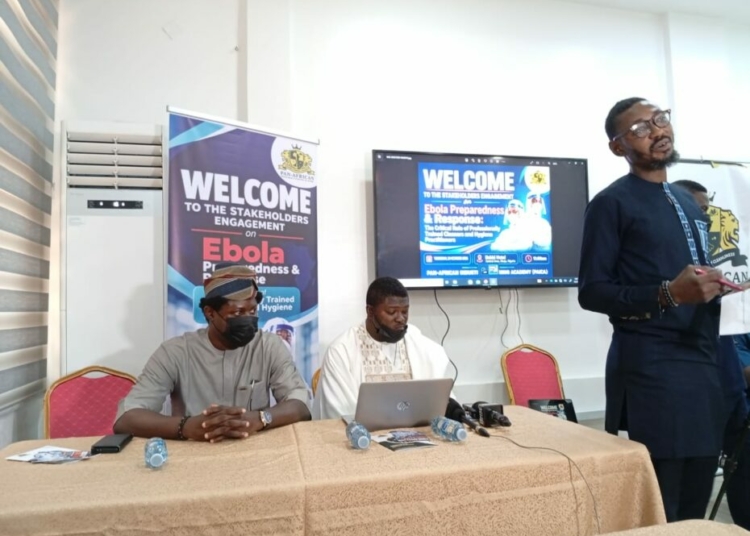
The founder and registrar of the academy, Ambassador Olubunmi Dayo Fagburiyo, made the appeal on Thursday during a stakeholders’ engagement on Ebola preparedness and response, where he highlighted the importance of professional cleaning in infection prevention and environmental hygiene.
Fagburiyo said cleaning should be recognised as a specialised profession requiring technical knowledge, proper training and strict adherence to established safety procedures. He explained that the effective disinfection of potentially contaminated environments involves more than the use of ordinary cleaning tools and detergents.
According to him, untrained cleaners may unintentionally contribute to cross-contamination when they use the same equipment in toilets, kitchens, living areas and other spaces without following appropriate hygiene protocols.
He noted that professional training equips cleaners with knowledge of disinfectants, correct chemical dilution, required contact time, personal protective equipment and safe methods of handling potentially contaminated materials.
The PAICA founder described cleaners as essential but frequently overlooked workers in public health emergencies. He called on government agencies, hospitals, hotels, transport operators and other institutions to incorporate qualified cleaning professionals into their infection prevention and emergency response plans.
Fagburiyo identified inadequate training, limited professional recognition and weak coordination among stakeholders as challenges affecting the cleaning industry. He advocated improved remuneration, recognised certification and stronger professional standards to ensure that cleaners can perform their duties safely and effectively.
He also announced the academy’s readiness to deploy rapid-response training teams across Abuja to train personnel working in hospitals, isolation centres, hotels, transport hubs and other public facilities on safe cleaning and decontamination procedures.
The academy, he said, intends to collaborate with government agencies and development partners to expand professional cleaning training across the country, with a long-term plan to establish its presence in all 36 states and the Federal Capital Territory.
Also speaking at the engagement, the Head of the Institute for Humanitarian Studies and Social Development, Professor Francis Origa, emphasised the importance of personal hygiene and environmental sanitation in preventing infectious diseases.
Origa said disease prevention should extend beyond clinical treatment and public announcements to include everyday hygiene practices and the proper maintenance of shared facilities. He cited frequently touched surfaces, including stair railings and other communal areas, as examples of places that require appropriate cleaning and disinfection.
He encouraged Nigerians to practise regular handwashing and use hand sanitiser appropriately, while maintaining clean surroundings at home, in workplaces and in public institutions.
The discussions come amid heightened attention to Ebola preparedness in Nigeria following reports of an imported case. Health authorities have emphasised the need for effective surveillance, infection prevention and appropriate public health precautions.
The World Health Organization’s guidance on Ebola and Marburg disease also identifies environmental cleaning and disinfection, waste management, hand hygiene and appropriate protective equipment as important components of infection prevention and control.
However, suspected Ebola contamination requires specialised procedures and should be handled only by authorised personnel who have received appropriate training and protective equipment.
PAICA’s appeal highlights the need for closer cooperation between health authorities and professional cleaning organisations to strengthen preparedness, protect frontline workers and improve hygiene standards in facilities used by the public.
Fagburiyo and Origa maintained that sustained training, public awareness and institutional collaboration would help make environmental hygiene an integral part of Nigeria’s wider disease prevention efforts.
