Political Parties Reject Ebola Campaign Ban, Demand Clear Health Guidelines
By Effanga Essang
Several political parties in Nigeria have rejected calls for a blanket suspension of campaign activities ahead of the 2027 general elections following the reported Ebola case in the country, insisting that political engagement can continue with appropriate public health precautions.
The parties said the Federal Government should provide clear guidelines and strengthen preventive measures rather than impose restrictions on political gatherings without transparent, evidence-based justification.
The debate follows Nigeria’s confirmation of an imported case of Ebola virus disease and concerns about the potential risks associated with large gatherings. However, the Coordinating Minister of Health and Social Welfare, Professor Muhammad Ali Pate, has said there is no immediate need to cancel political campaigns, conferences or other major public events based on the available evidence.
The All Progressives Congress urged Nigerians to remain calm and avoid turning the health situation into a political controversy. The party’s National Director of Publicity, Bala Ibrahim, said relevant health authorities had issued advisories and should be allowed to manage the situation using professional judgment.
Ibrahim warned that politicising an infectious disease outbreak could create unnecessary fear and confusion, stressing that decisions about public health should be guided by technical advice rather than partisan considerations.
However, the African Democratic Congress expressed concern that the Federal Government might use the outbreak as a justification for restricting opposition parties from campaigning.
The party’s National Publicity Secretary, Bolaji Abdullahi, said the health and safety of Nigerians must remain the priority but insisted that any restrictions on political activities should be supported by clear and transparent public health reasons.
The ADC also questioned whether a suspension could be applied fairly to all political parties, particularly following reports that President Bola Tinubu had indicated he would be unable to campaign.
Abdullahi said opposition parties would require an explanation if authorities advised them to suspend their activities, adding that the government must demonstrate why such a measure was necessary.
The Social Democratic Party also opposed an outright suspension of campaigns. Its National Publicity Secretary, Rufus Araba, said candidates needed opportunities to present their programmes and communicate their manifestos to voters.
Araba argued that political engagement could continue alongside stronger surveillance, preventive measures and appropriate safety protocols.
Similarly, the Nigeria Democratic Congress called on parties to adopt safer campaign methods that reduce unnecessary physical contact rather than halt political activities altogether.
Olushile Akinyemi, the party’s Publicity Secretary in Lagos State, said campaigns should continue under strict safety guidelines. He warned that suspending political activities without a clear justification could deepen public suspicion and undermine confidence in the electoral process.
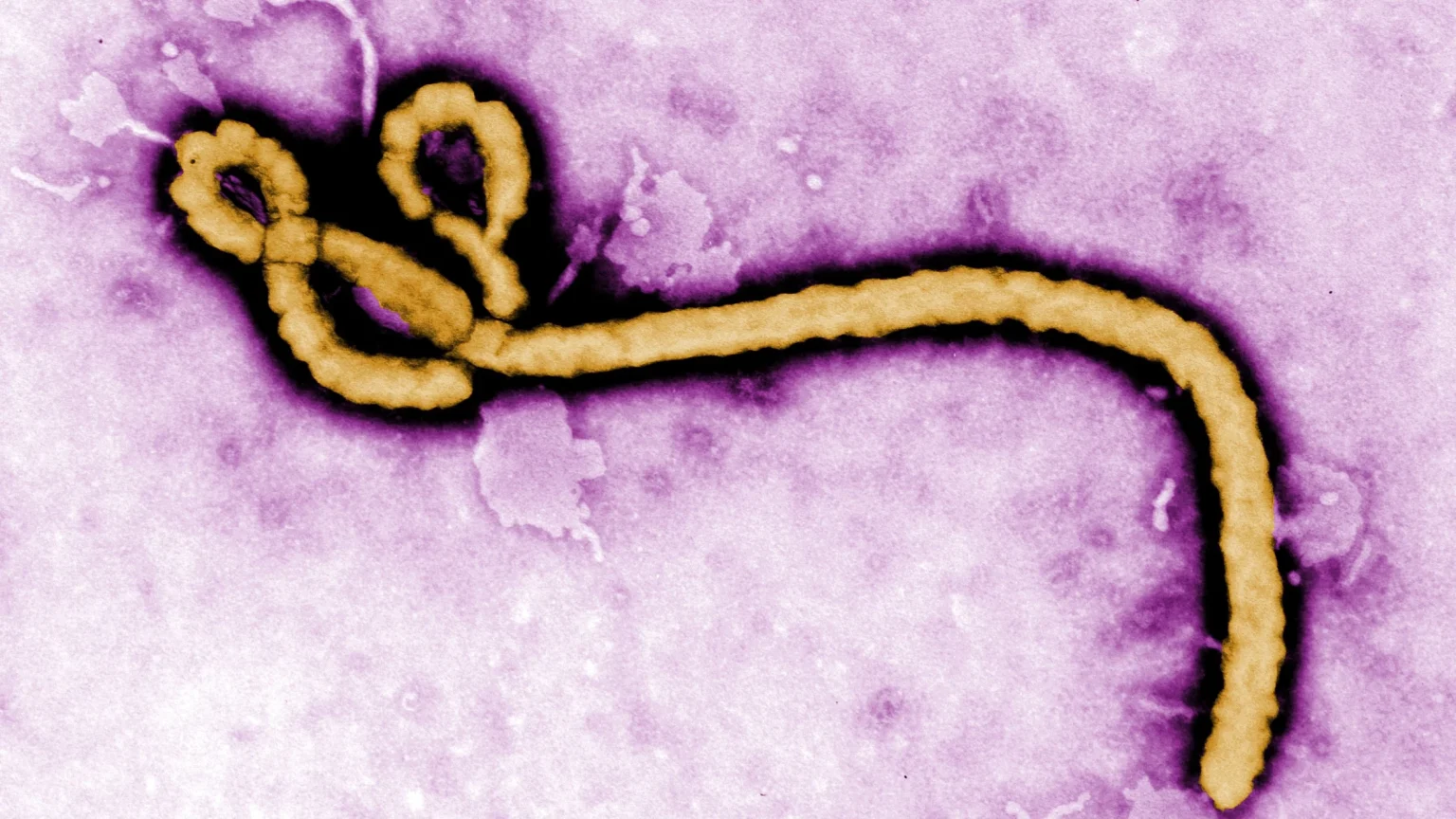
The disagreement comes as health authorities intensify efforts to prevent the spread of Ebola following confirmation of an imported case involving the Bundibugyo strain. Officials have been tracing people who may have come into contact with the patient, while healthcare facilities and surveillance systems are being strengthened.
Health experts have also cautioned that temperature screening alone cannot detect every infected traveller, particularly when an individual has not developed symptoms. They have called for stronger contact tracing, public awareness and infection prevention measures in hospitals.
Ebola is primarily transmitted through direct contact with the blood or other bodily fluids of an infected person who has developed symptoms, or through contaminated materials. Public health authorities have therefore emphasised the importance of early reporting, appropriate isolation and compliance with official guidance.
The Federal Government has maintained that restrictions on public gatherings would be considered if scientific evidence indicated that they had become necessary. The position remains subject to review as health authorities monitor the situation.
With political mobilisation expected to intensify ahead of the 2027 elections, the challenge for the government will be to protect public health while ensuring that any measures affecting political activities are transparent, proportionate and applied consistently.
For now, the parties opposing a blanket suspension want authorities to prioritise effective disease control while allowing political engagement to continue under appropriate safeguards.
