
Kenya Reports Four More Ebola Infections as Three Healthcare Workers Test Positive
By Fact Harbour News
Kenya has confirmed four additional cases of Ebola virus disease, including three healthcare workers who treated the country’s first confirmed patient, bringing the total number of confirmed infections to seven, including one death.
The Ministry of Health announced the new cases on Saturday, October 17, 2026, identifying the fourth patient as a male relative of the initial patient, who died after arriving in Kenya from the Democratic Republic of the Congo (DRC).
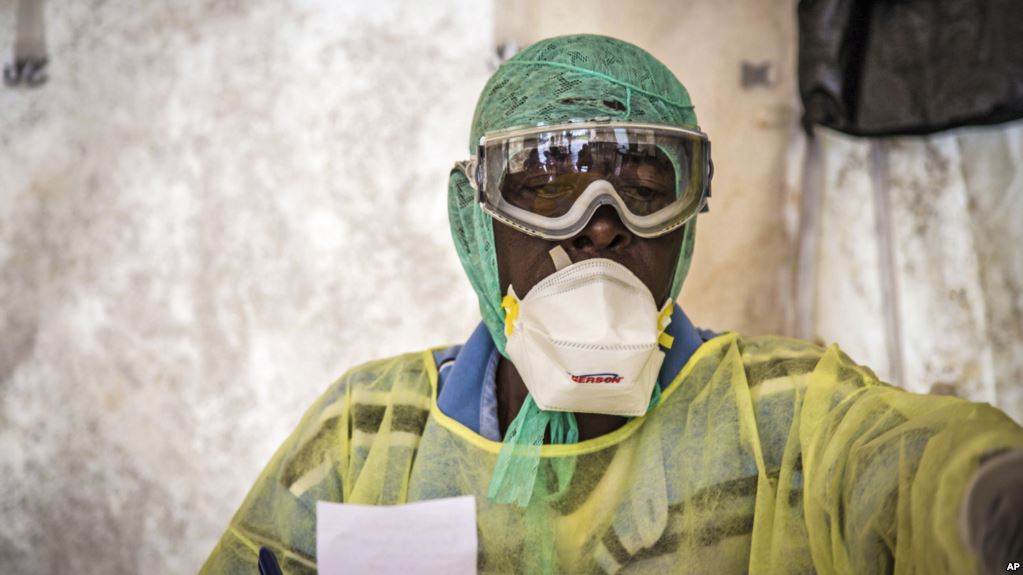
The three healthcare workers, comprising two men aged 29 and 35 and a 32-year-old woman, had attended to the first patient at a hospital between October 3 and 4. According to the ministry, they had been placed in quarantine since October 9 before developing symptoms and testing positive.
The male relative had also been in quarantine since October 6. All four newly confirmed patients developed fever as their initial symptom and were isolated before laboratory tests confirmed the infection.
Kenyan health authorities said the patients were receiving supportive care at a designated treatment facility. The ministry also reported that the second and third confirmed patients were stable and responding well to treatment.
The latest infections represent the first confirmed cases of local transmission in Kenya following the arrival of the initial patient from the DRC. The man had travelled through Uganda before arriving in Nairobi on October 3 and died on October 5.
The outbreak is linked to the Bundibugyo strain of Ebola, a rare variant for which there is currently no approved vaccine or specific treatment. Medical care focuses on supportive treatment and close monitoring to manage symptoms and complications.
Kenya’s health authorities said they had identified 130 contacts connected to the initial case. Of these, 128, representing 98.5 per cent, had been traced and placed in quarantine, while efforts continued to locate the remaining two.
The ministry maintained that the risk to the general public remained low because there was no evidence of wider community transmission. However, officials warned that additional cases could emerge among contacts during the 21-day monitoring period.
The government has continued surveillance, contact tracing and isolation measures to limit further spread. Health authorities have also urged medical personnel to maintain strict infection prevention and control procedures when attending to suspected cases.
Ebola spreads through direct contact with the blood or other bodily fluids of an infected person, including someone who has died from the disease, or through contaminated materials. It does not spread through the air like influenza.
Members of the public have been advised to seek medical attention promptly if they develop symptoms such as fever, unusual tiredness, muscle or joint pain, sore throat, vomiting, diarrhoea or unexplained bleeding, particularly if they may have been exposed to an infected person.
The Kenyan government has said it has not imposed restrictions on travel, trade or public gatherings as part of the response. Authorities continue to urge residents to remain calm, follow official health guidance and report suspected cases promptly.
The new infections underscore the importance of early detection, effective contact tracing and adequate protection for healthcare workers as regional authorities respond to the Ebola outbreak.
