
LVMH’s China Recovery Hopes Fade as Luxury Fashion Sales Drop 5%
By Fact Harbour News
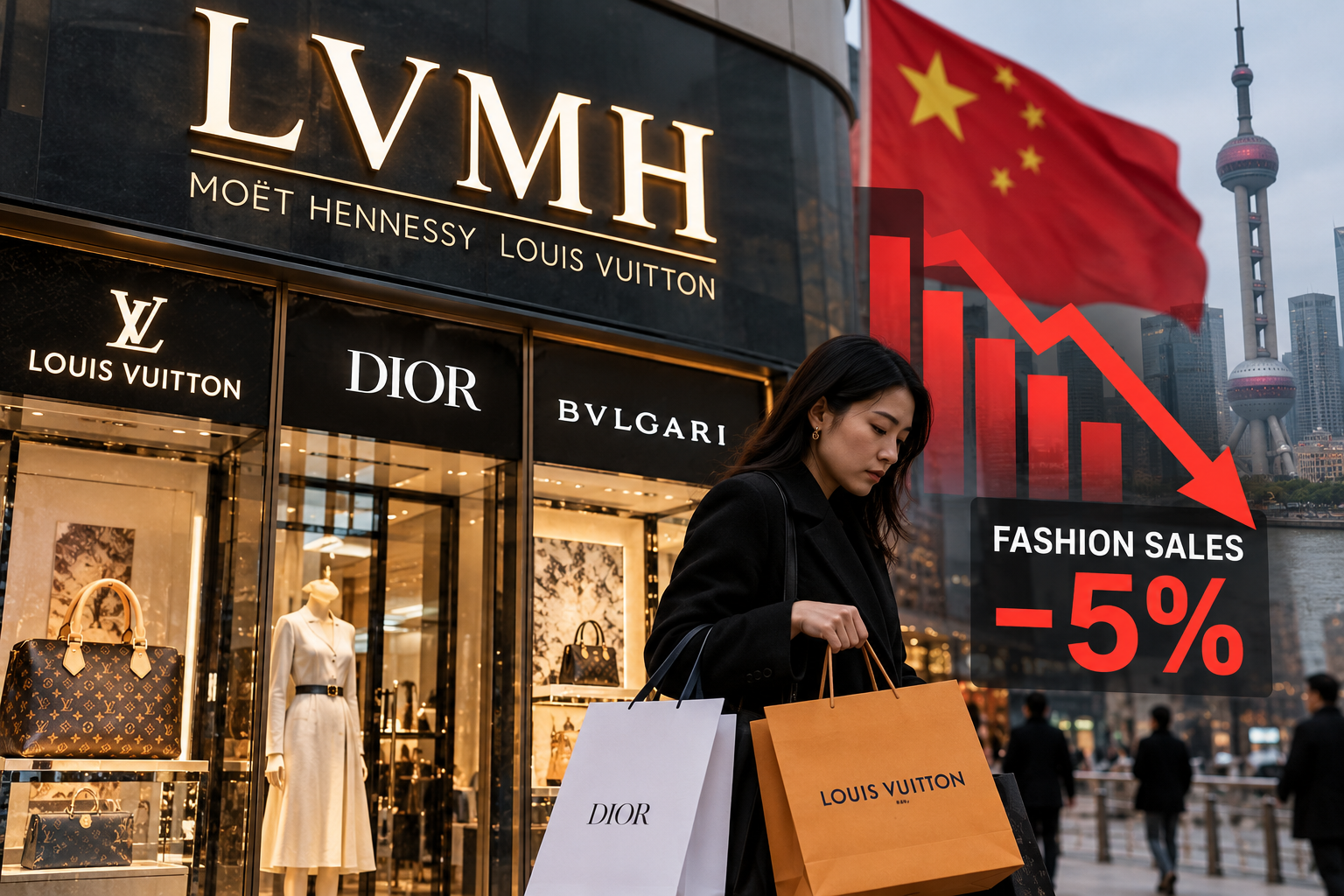
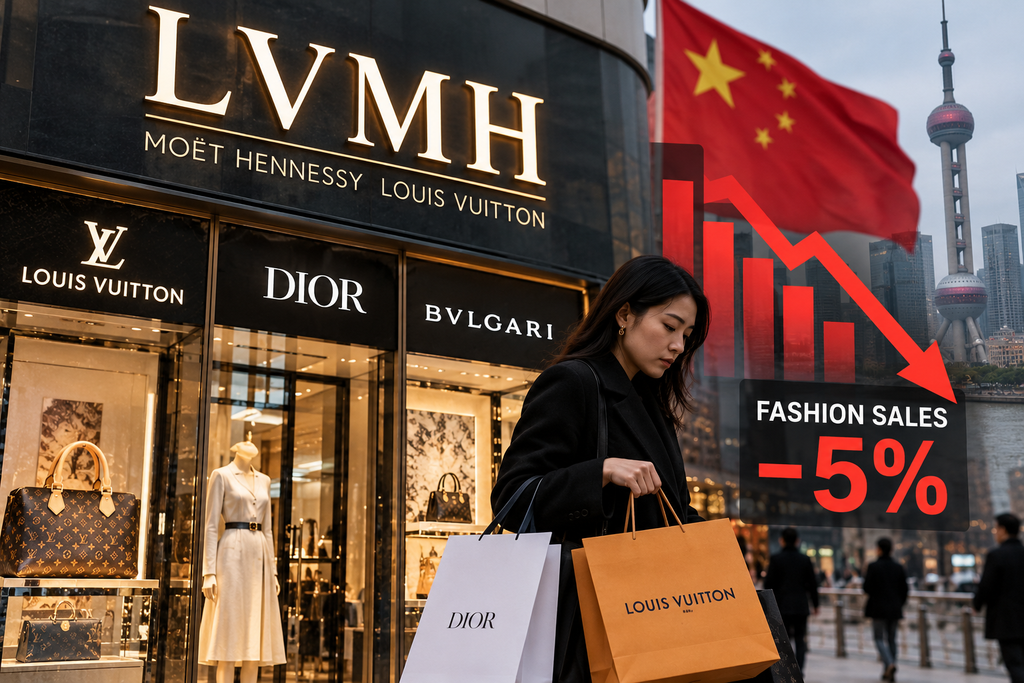
Luxury goods giant LVMH has suffered a setback in its efforts to revive sales in China after its fashion and leather goods division recorded a 5 per cent decline in organic revenue in the third quarter of 2026.
The French conglomerate, whose prestigious brands include Louis Vuitton, Dior, Bulgari and Tiffany & Co., reported total revenue of €18.5 billion between July and September, representing organic growth of just 1 per cent compared with the same period in 2025.
The latest performance highlights continuing difficulties in the global luxury market, particularly in China, where subdued consumer confidence and economic uncertainty have weakened demand for expensive fashion products.
According to LVMH’s financial update released on Monday, October 12, the group’s fashion and leather goods division generated €8.245 billion during the quarter, down from €8.497 billion recorded in the corresponding period last year.
The division had shown signs of improvement in the second quarter, when organic sales increased by 1 per cent. However, the latest decline has renewed questions about whether the luxury industry can achieve a sustained recovery.
LVMH said business activity in the third quarter was affected by a “less buoyant environment” in China, although the United States, Europe and Japan recorded growth.
China remains a critical market for luxury brands, with affluent consumers and aspirational shoppers playing an important role in demand for designer clothing, handbags, accessories and other premium products.
However, changing consumer preferences, economic concerns and pressure on wealthy individuals have made spending patterns less predictable. The resulting slowdown has complicated recovery plans for luxury companies that previously benefited from strong demand across the Chinese market.
A reported dispute involving Louis Vuitton and Chinese tea brand Molly Tea has also attracted attention amid concerns about consumer backlash against the luxury label. Market observers have identified the controversy as one of several factors affecting the brand’s performance, although the extent of its financial impact remains difficult to isolate.
Despite the weakness in fashion and leather goods, other parts of LVMH’s business delivered stronger results.
The group’s selective retailing division, which includes beauty retailer Sephora, recorded 8 per cent organic growth in the third quarter. Its watches and jewellery business grew by 6 per cent, while wines and spirits also increased by 6 per cent.
Perfumes and cosmetics recorded more modest organic growth of 1 per cent.
These results demonstrate how LVMH’s diversified portfolio has helped cushion the impact of weaker demand in its largest business division.
For the first nine months of 2026, the company reported total revenue of €57.148 billion, representing a 2 per cent increase on an organic basis. However, reported revenue was down 2 per cent compared with the same period in 2025.
The fashion and leather goods division recorded a 2 per cent organic decline over the nine-month period, underlining the continuing pressure on the group’s most prominent luxury brands.
The results could also influence sentiment across the wider luxury industry, which has faced a prolonged slowdown amid economic uncertainty, changing spending habits and questions over the sustainability of years of price increases.
Investors and industry analysts will be watching forthcoming results from rival luxury groups for evidence of whether the weakness is specific to certain brands or reflects a broader downturn in demand.
LVMH has maintained that it will focus on strengthening the desirability of its brands, the quality and authenticity of its products, retail excellence and organisational flexibility.
Whether those measures will be enough to restore momentum in China remains uncertain. For now, the latest figures show that a recovery in luxury spending cannot be taken for granted, even for one of the world’s largest and most influential luxury goods companies.
