
Nigeria’s Mental Health Crisis Deepens as Fewer Than 250 Psychiatrists Serve Millions
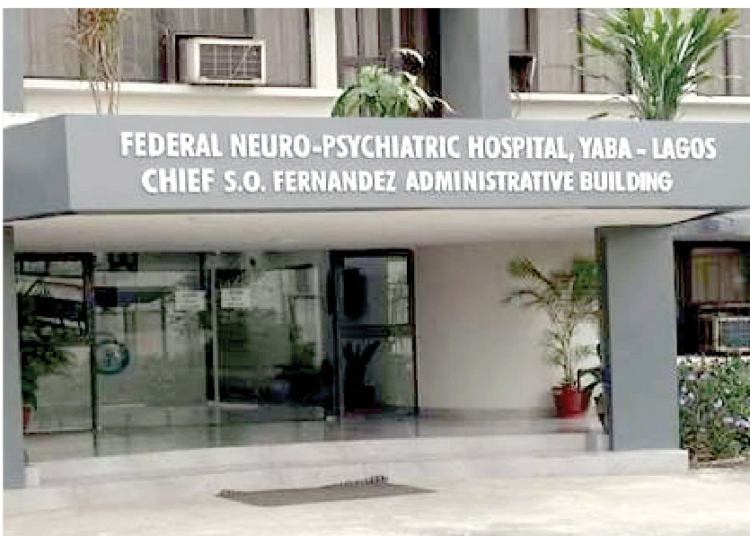
By Fact Harbour News
As Nigeria joins the rest of the world to mark World Mental Health Day on October 10, concerns are growing over the country’s limited capacity to provide mental healthcare to millions of people who may need professional support.
Mental health professionals have warned that the shortage of psychiatrists, high treatment costs, stigma and inadequate access to specialised facilities continue to prevent many Nigerians from receiving timely care.
The Association of Psychiatrists in Nigeria has reported that the country has fewer than 250 psychiatrists available to serve a population exceeding 200 million. This leaves Nigeria with an extremely low number of specialists relative to its population, with some estimates suggesting approximately one psychiatrist for every 800,000 to one million people.
The precise number of practising psychiatrists may vary as professionals enter or leave the country, but the reported shortage highlights a major challenge for a healthcare system already facing pressure from other medical needs.
The shortage is particularly concerning because mental health conditions can affect people across different age groups and socioeconomic backgrounds. Depression, anxiety disorders, substance use disorders and other psychiatric conditions can affect relationships, education, employment and general wellbeing.
Experts have also cautioned that Nigeria lacks comprehensive national data on the prevalence of mental health conditions, making it difficult to determine the full scale of the problem and plan services according to need.
Professor Taiwo Obindo, president of the Association of Psychiatrists in Nigeria, has identified insecurity, childhood trauma, bullying, poverty-related pressures and other environmental factors among the circumstances that may contribute to mental health difficulties. Genetic predisposition and complications during pregnancy or childbirth may also influence vulnerability to certain conditions.
However, mental health challenges do not arise from a single cause, and exposure to a risk factor does not mean that a person will inevitably develop a mental health condition.
The shortage of specialists is compounded by the uneven distribution of healthcare facilities. Psychiatric hospitals and specialist departments are concentrated largely in urban centres, leaving many people in rural communities with limited access to professional services.
For residents of remote communities, obtaining treatment may require travelling considerable distances to a teaching hospital or neuropsychiatric facility. Transport expenses, accommodation costs and missed working days can make that journey difficult for families with limited incomes.
When professional care is difficult to reach, some people turn first to religious institutions, traditional healers or other community-based sources of support. While community and faith leaders may provide emotional support, people experiencing serious or persistent symptoms may still require assessment and treatment by qualified healthcare professionals.
Mental health specialists have therefore called for stronger integration of mental healthcare into primary healthcare services. Under this approach, trained frontline health workers could identify common conditions, provide appropriate initial support and refer patients with more complex needs to specialists.
Such a system would not replace psychiatrists. Instead, it could help ensure that specialist services are available for patients who need more advanced assessment and treatment, while reducing the burden on major hospitals.
Financial barriers also remain a major concern. The cost of psychiatric consultations, prescribed medicines, investigations and rehabilitation can become difficult to sustain, particularly when treatment requires repeated visits over an extended period.
Treatment expenses vary according to the condition, the facility and the type of care required. Rehabilitation for substance use disorders may be particularly expensive in some private centres, placing additional pressure on families already struggling with rising living costs.
Limited insurance coverage can further restrict access. When patients must pay most expenses directly, some may delay seeking help or discontinue treatment before completing the recommended course of care.
Expanding affordable health insurance coverage, improving access to essential psychiatric medicines and increasing public investment in mental health services are among the measures experts say could reduce these barriers.
Stigma remains another obstacle. People experiencing mental health difficulties may fear being labelled, rejected by their communities or discriminated against at work. Some families conceal symptoms because of misconceptions about the causes of mental illness.
In certain cases, symptoms such as hearing voices or experiencing severe behavioural changes may be interpreted exclusively as evidence of supernatural influence. This can delay access to medical assessment, particularly when families do not recognise mental health conditions as health issues that can require professional treatment.
Mental health advocates have also raised concerns about harmful practices, including chaining, beating and forced rituals involving people with mental health conditions. Such practices can violate human dignity and expose vulnerable people to further harm.
Public education is therefore essential to helping communities recognise symptoms, challenge harmful stereotypes and understand that many mental health conditions can be managed with appropriate treatment and support.
Another challenge is the migration of trained healthcare professionals. Nigeria’s limited specialist workforce can be further strained when psychiatrists and other health workers leave to pursue employment opportunities abroad. Increasing the number of trained specialists will require sustained investment in medical education, postgraduate training, working conditions and professional development.
The country also needs stronger rehabilitation and reintegration services. Treatment does not always end when a patient leaves a hospital. Some people require continued monitoring, family support, counselling and assistance returning to education, employment or independent living.
Without adequate community support, patients and their families may struggle to manage the transition from hospital care to everyday life. Specialists have consequently advocated more comprehensive services that connect hospital treatment with long-term recovery and community participation.
World Mental Health Day provides an opportunity to examine these challenges beyond annual awareness campaigns. Improving mental healthcare requires coordinated action involving federal and state governments, healthcare institutions, professional associations, schools, employers, community organisations and families.
Priorities include expanding the mental health workforce, strengthening primary healthcare services, improving insurance coverage, ensuring access to essential medicines and collecting reliable national data. Enforcing protections for people with mental health conditions and investing in rehabilitation services are also important parts of the response.
Nigeria’s mental health crisis cannot be resolved by increasing the number of psychiatrists alone. A more effective response must also address the cost of treatment, the availability of local services, social stigma and the conditions that prevent people from seeking help.
As the country marks World Mental Health Day, the challenge is to translate awareness into practical improvements that make professional support more accessible, affordable and respectful for people who need it.
