
From Nigeria to the Runway: How Hajar Saaid Built Burdah Around African Textiles and Sustainability
By Fact Harbour News
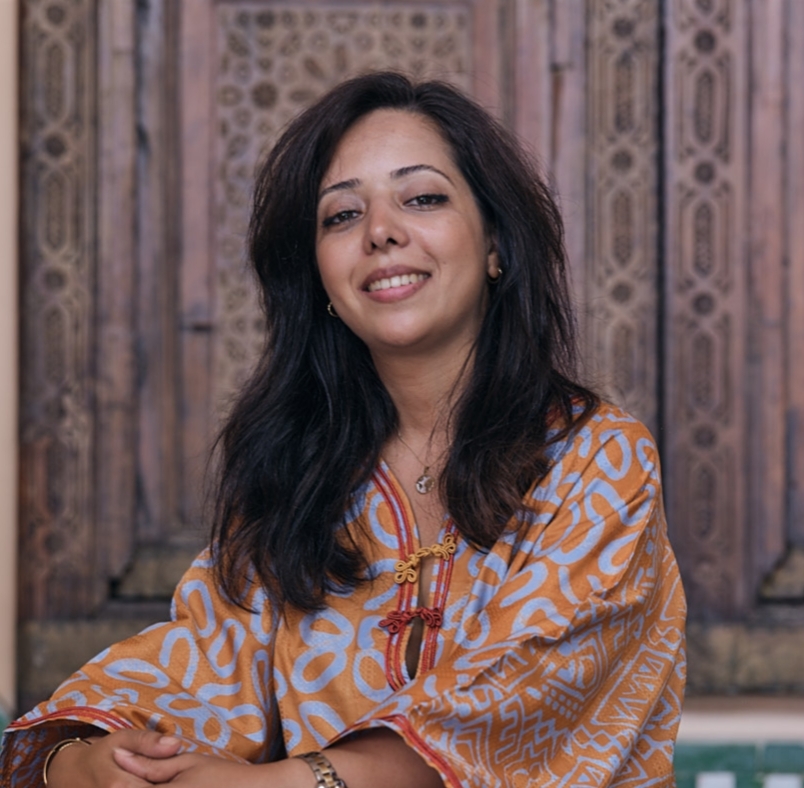
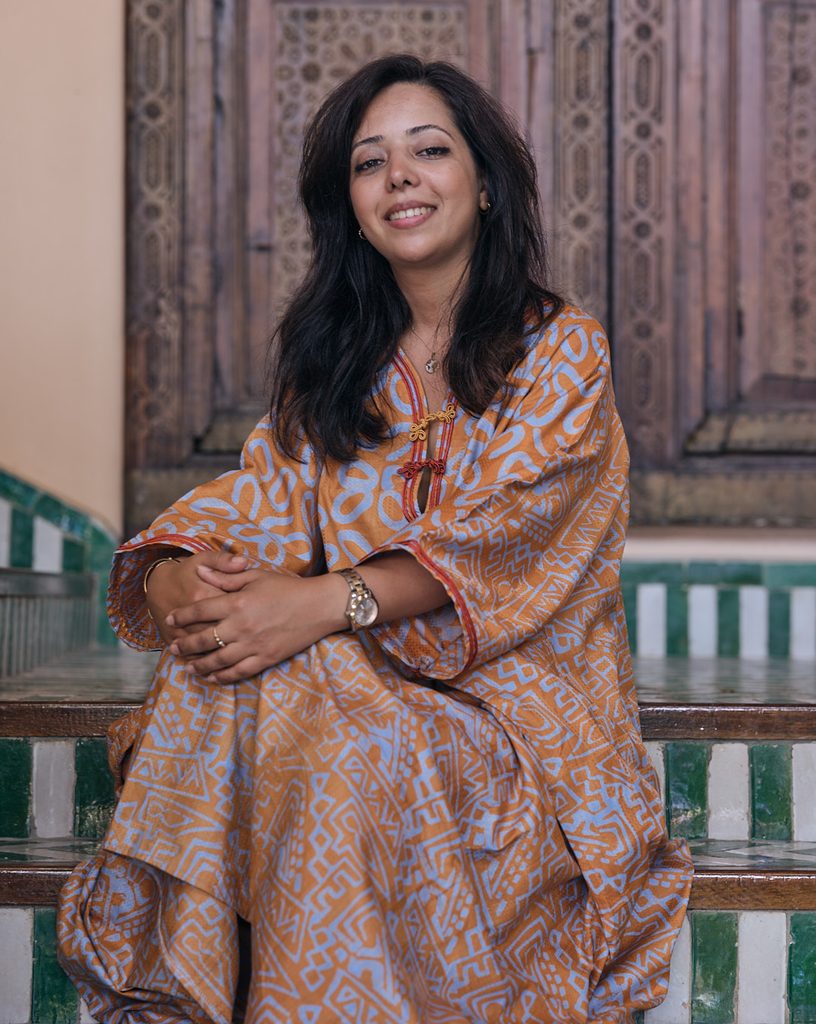
A visit to Nigeria in 2022 became an unexpected turning point for Hajar Saaid, a Moroccan-born environmental consultant whose interest in handmade textiles eventually developed into Burdah, a fashion label connecting Moroccan design traditions with the rich fabric cultures of West Africa.
Saaid’s journey into fashion began far from the conventional path followed by many designers. For years, she worked in environmental consulting, concentrating on sustainability, water resources and the effects of development projects on communities. Her professional responsibilities took her across several West African countries, including Nigeria, Sierra Leone and Burkina Faso, while Ghana became an important base for her work and personal life.
Those travels exposed her to more than the region’s landscapes and environmental challenges. They also introduced her to textiles produced through traditional dyeing techniques and generations of artisanal knowledge.
Her background in sustainability encouraged her to look closely at how materials were produced, the people whose skills made them possible and the economic opportunities that could emerge from preserving traditional crafts. She became interested in why some distinctive African fabrics remained relatively unfamiliar outside their countries of origin, despite the expertise involved in making them.
The experience that eventually inspired Burdah occurred during a visit to Nigeria in 2022. Saaid encountered a fabric that immediately captured her attention and decided to take it home. Rather than viewing it simply as material for a future commercial venture, she initially used it to create clothing for herself and members of her family.
The response to those early pieces helped change her perspective. People began asking about the garments and where they could obtain similar designs. What started as a personal creative experiment gradually developed into an opportunity to explore a fashion business.
Saaid tested the idea by producing a small collection and observing how customers responded in Ghana and Morocco. The interest suggested that clothing inspired by different African and North African traditions could appeal to people with varied cultural backgrounds.
That discovery became the basis of Burdah, a brand built around combining design influences rather than confining its work to one cultural tradition.
The label’s creative identity brings together the geometric patterns associated with Moroccan zellige, the intricate decorative tilework found in Moroccan architecture, and the colours and textile techniques associated with West African Kente and hand-dyed batik.
The combination allows the brand to explore different visual traditions within contemporary garments. Rather than presenting the influences as separate elements, the designs seek to create a shared aesthetic that reflects Saaid’s own experiences between Morocco and Ghana.
The approach also raises a broader question about the possibilities of cultural exchange in African fashion. Across the continent, fabrics, patterns and garment-making traditions reflect distinct histories and communities. Designers who work across these traditions can introduce new interpretations while recognising the artisans and cultural knowledge behind the original techniques.
For Saaid, the name Burdah reinforces the personal meaning of the venture. The Arabic word refers to a cloak or mantle and is also associated with a well-known poem in the Muslim world. The idea of a garment that accompanies and envelops its wearer reflects her experience of building a life connected to two places.
The brand’s production model is equally influenced by her earlier career. Instead of pursuing large-scale manufacturing, Burdah focuses on small production runs and handmade pieces. Saaid works directly with artisans and tailors in Ghana and Morocco, keeping the brand’s production activities within the continent.
The limited-production approach allows the label to prioritise individual craftsmanship and reduce the likelihood of accumulating large volumes of unsold clothing. The brand also retains fabric offcuts for potential reuse, reflecting its interest in reducing waste.
This model comes with challenges. Producing garments by hand can be more expensive and time-consuming than mass manufacturing, while maintaining consistent quality across small workshops requires close coordination. Limited production can also restrict the number of customers a brand is able to serve.
Nevertheless, the approach offers an alternative to fashion business models built around rapid production and frequent disposal. It places greater emphasis on the origins of materials, the skills involved in making garments and the relationship between the finished product and the people responsible for creating it.
Saaid’s experience illustrates how expertise gained in one industry can influence innovation in another. Her environmental work shaped the questions she asks about fashion: where materials come from, how products are made, who benefits from production and what happens to waste.
These concerns are increasingly relevant to African fashion businesses seeking to compete internationally while creating opportunities for local artisans. Stronger connections between designers, textile producers and skilled garment makers can help preserve traditional techniques and create additional sources of income.
However, expanding the industry’s potential will also require investment in training, reliable production infrastructure, access to finance and distribution networks that enable designers to reach customers beyond their immediate markets.
Burdah’s story began with a piece of fabric discovered in Nigeria, but its development reflects a wider opportunity for African fashion: using local materials, traditional knowledge and contemporary design to create products with international appeal.
Now dividing her time between Rabat and Accra, Saaid continues to draw from the two environments that have shaped her life. Through Burdah, she is developing a fashion identity that connects Moroccan craftsmanship with West African textile traditions while maintaining a commitment to small-scale production.
Her journey demonstrates how an unexpected encounter with a handmade fabric can become the starting point for a creative enterprise—and how fashion can provide a platform for cultural exchange, sustainable production and greater recognition of African artisanal skills.
