
59 Years After Asaba Massacre, FG Set to Make Formal Reconciliation Declaration
By Fact Harbour News
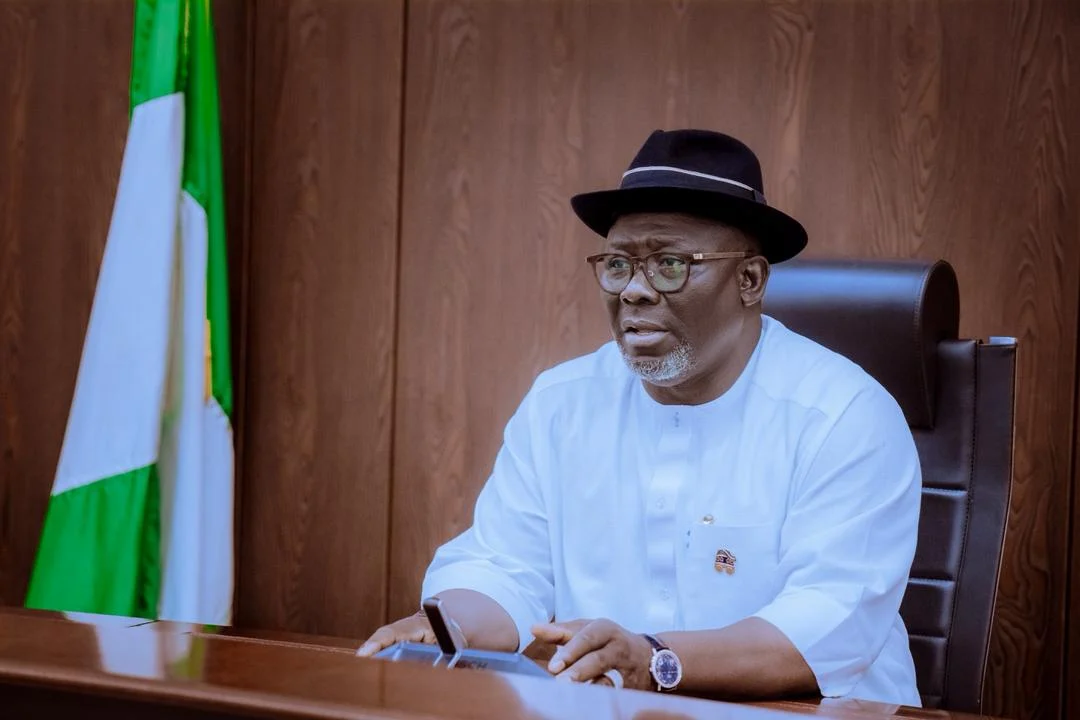
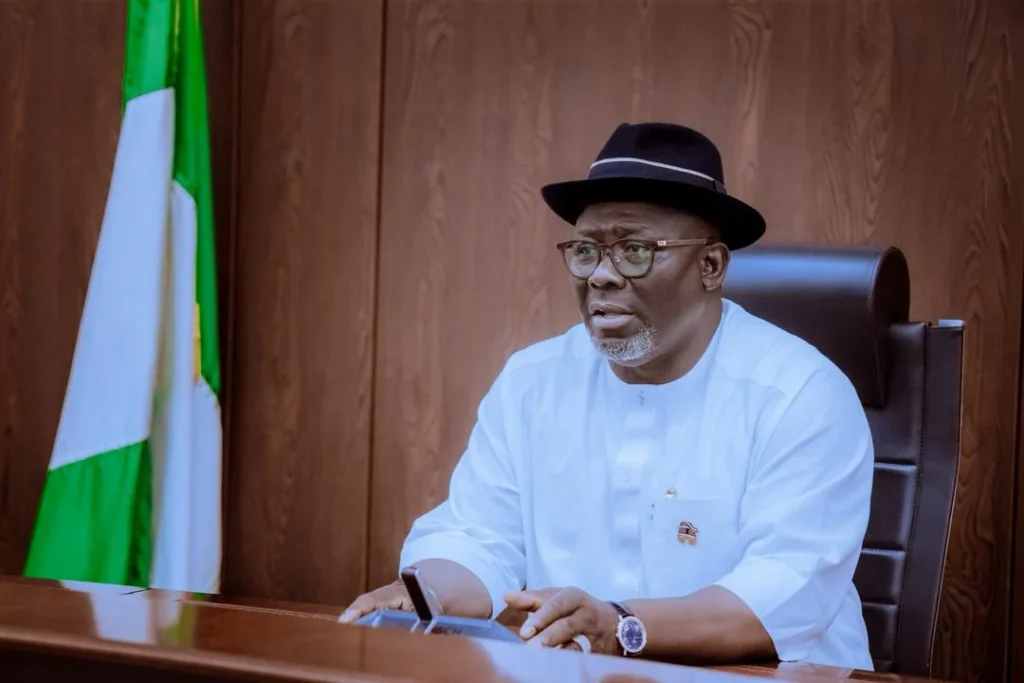
The Federal Government is set to make a formal reconciliation declaration concerning the 1967 Asaba Massacre, Delta State Governor Sheriff Oborevwori has disclosed, nearly six decades after the killings during the Nigerian Civil War.
Oborevwori made the disclosure on Wednesday at the 59th anniversary memorial of the tragedy in Asaba, where he was represented by the Secretary to the Delta State Government, Dr Kingsley Emu.
The governor said formal acknowledgement by the Nigerian government would be an important step towards reconciliation, noting that Delta State had already recognised the tragedy.
He expressed hope that the Federal Government would proceed with the proposed reconciliation declaration, while also supporting efforts to establish a permanent memorial in Asaba.
The Asaba Massacre occurred in October 1967 during the Nigerian Civil War. Historical accounts describe the killing of large numbers of civilians in Asaba after Federal troops retook the town from Biafran forces. The precise number of victims remains a subject of historical documentation, with researchers and community historians cited by the Delta State Government putting the figure at more than 1,000.
At the memorial, Oborevwori stressed the importance of remembering the victims while using the tragedy to promote reconciliation rather than renewed division.
He said the state would continue supporting efforts to secure national recognition of the massacre and establish a fitting memorial centre where records, names and testimonies connected to the tragedy can be preserved.
The governor also warned against allowing ethnic suspicion, political disagreements or conflict to become justification for attacks on civilians.
The latest development follows years of calls from the Asaba community for greater official recognition of the killings. In March 2025, the Asagba of Asaba, Professor Epiphany Azinge, led a delegation to meet President Bola Ahmed Tinubu and raised the issue of Federal Government acknowledgement or an apology over the massacre.
At this year’s memorial, Azinge again called for a public apology from a sitting Nigerian President, arguing that such an acknowledgement would be necessary for what he considers full closure and healing for the community.
Despite the continuing demand for official acknowledgement and apology, the Asagba announced a significant step towards reconciliation by publicly declaring forgiveness for the family of the late Colonel Ibrahim Taiwo.
Major General Ahmed Ibrahim Taiwo (retd.), the late officer’s son, had attended the memorial and offered an apology on behalf of his father and family for any act, omission or commission associated with the events that led to the massacre.
Taiwo said he could not change the past but hoped his apology would contribute to reconciliation.
The Asagba subsequently announced that the Asaba community had accepted the apology and forgiven the Taiwo family, while making clear that forgiveness did not mean forgetting what happened.
The memorial also featured a message from former President Olusegun Obasanjo, who participated virtually as chairman of the occasion.
Obasanjo described the Asaba killings as one of the most painful and disturbing episodes of the Nigerian Civil War and appealed to survivors and families of victims to embrace forgiveness and reconciliation.
His appeal, however, prompted a broader discussion about accountability and historical memory, with the Asagba noting that forgiveness and remembrance could coexist with calls for official acknowledgement.
The 2026 memorial comes ahead of the 60th anniversary of the tragedy in 2027. Organisers of the commemoration say preparations are already underway to establish a permanent Asaba Massacre Memorial Centre and preserve historical records for future generations.
The proposed Federal Government reconciliation declaration could therefore become an important development in the long-running campaign for official recognition of the tragedy.
For the Asaba community, the issue extends beyond remembrance. Community leaders have continued to argue that preserving the history of the massacre, acknowledging the suffering of victims and supporting reconciliation are important parts of preventing similar tragedies in the future.
The latest discussions also highlight the continuing challenge of confronting difficult episodes in Nigeria’s history while promoting national unity.
The Federal Government had not, as of the reports reviewed, publicly announced a specific date for the proposed formal reconciliation declaration.
