
Wenger, African Coaches to Review Historic 2026 World Cup Performance
By Vincent Ayew
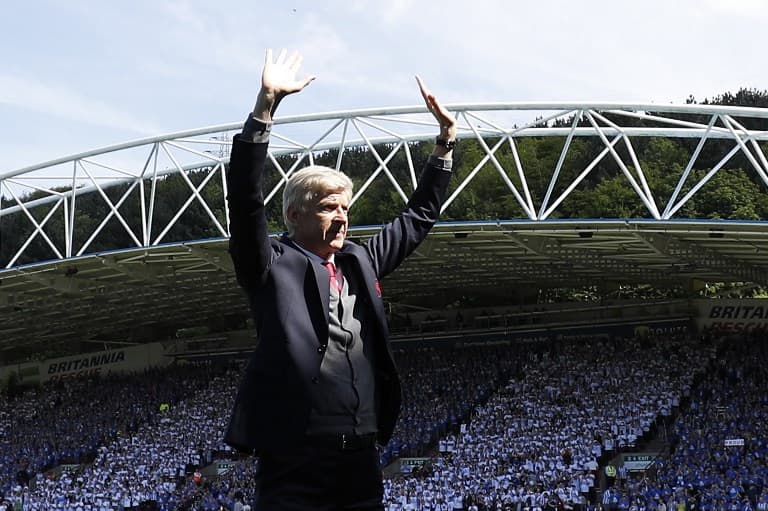
Arsene Wenger is set to lead a high-level discussion involving some of Africa’s leading national team coaches as football authorities on the continent examine the historic performance of African teams at the 2026 FIFA World Cup.
The former Arsenal manager and current FIFA Chief of Global Football Development will headline a panel at the Confederation of African Football Strategy Conference scheduled to take place in Cabo Verde from October 7 to 9, 2026.
The meeting is expected to bring together coaches, football administrators, former players and other stakeholders from across the continent to discuss how Africa can build on its impressive showing at the 2026 World Cup.
According to the Confederation of African Football, Wenger will be joined on the panel by coaches who played significant roles in their respective national teams’ campaigns. They include Cabo Verde head coach Bubista, Egypt coach Hossam Hassan, Morocco coach Mohamed Ouahbi and Democratic Republic of Congo manager Sébastien Desabre.
The conference is being organised as part of wider efforts to examine the progress of African football and identify strategies that could help national teams, coaches and football institutions sustain the continent’s development.
The 2026 FIFA World Cup provided a major talking point for African football, with the continent recording what CAF described as a record-breaking performance. CAF said nine of Africa’s 10 participating teams advanced from the group stage, an achievement that has generated considerable discussion about the progress of African football at international level.
The expanded World Cup format created additional opportunities for teams from different confederations to participate, but the performance of the African representatives nevertheless attracted significant attention because of the number of teams that progressed beyond the opening stage.
The development has also increased interest in the coaching methods, player development systems and football structures that contributed to the performances of the participating nations.
The upcoming CAF Strategy Conference will therefore provide an opportunity for coaches and football officials to examine the lessons from the tournament and consider how those experiences can be translated into long-term development.
Wenger’s involvement provides an international technical perspective to the discussions. As FIFA’s Chief of Global Football Development, he has been involved in conversations concerning the development of football in different regions.
His extensive experience in elite European football, particularly during his long managerial career at Arsenal, has also made him a prominent figure in discussions about coaching, player development and football structures.
At the Cabo Verde conference, the discussion is expected to go beyond individual match results and examine wider questions concerning the development of African football. Areas of interest are likely to include coaching education, youth development, tactical preparation, player pathways and the ability of African football systems to produce teams capable of competing consistently at major international tournaments.
The participation of coaches from Cabo Verde, Egypt, Morocco and the Democratic Republic of Congo is also significant because they bring direct experience from the 2026 World Cup campaign.
Bubista will provide insight from the Cabo Verde football setup, while Hossam Hassan will contribute his experience from Egypt’s national team. Morocco’s Mohamed Ouahbi and DR Congo’s Sébastien Desabre are also expected to offer their perspectives on preparing African teams for the demands of international competition.
Their experiences could provide practical insight into areas such as squad preparation, tactical organisation, player management and adapting to different opponents during major tournaments.
CAF said representatives from its 54 member associations, football legends and other stakeholders are expected to attend the three-day conference.
The event comes at a significant period for African football, as national associations continue to seek stronger international competitiveness while improving domestic structures and player development systems.
The performance of African teams at the 2026 World Cup has created an opportunity for football authorities to assess the factors that contributed to the results and determine which approaches could be developed further.
For national football associations, one of the major challenges will be to ensure that the progress recorded at the tournament contributes to a sustainable development process rather than remaining an isolated achievement.
The discussions in Cabo Verde could therefore extend beyond the immediate World Cup results to areas such as grassroots football, coaching education, talent identification, football infrastructure and the development of competitive domestic leagues.
The presence of Wenger and several prominent African national team coaches at the conference underlines the importance being placed on analysing the continent’s World Cup performance.
With nine of Africa’s 10 participants progressing from the group stage, the 2026 tournament has provided a substantial body of experience for coaches and football administrators to examine.
The CAF Strategy Conference will give stakeholders an opportunity to exchange ideas, discuss their experiences and consider practical approaches for strengthening football development across the continent.
As African nations prepare for future international competitions, the lessons gathered from the 2026 FIFA World Cup could serve as an important reference for improving coaching, player development, technical preparation and football administration.
The three-day meeting in Cabo Verde is consequently expected to combine a review of Africa’s historic World Cup performance with broader discussions about the future direction and development of football across the continent.
