
INEC Unveils Measures to Counter AI-Generated Fake News Ahead of 2027 Elections
By Esang Benson
The Independent National Electoral Commission, INEC, has outlined measures it says are being deployed to detect and respond to AI-generated misinformation and disinformation ahead of Nigeria’s 2027 general elections.
The commission said it is increasingly monitoring fabricated election results, manipulated videos, cloned audio, altered images and fake documents that could be circulated online and presented as genuine electoral information.
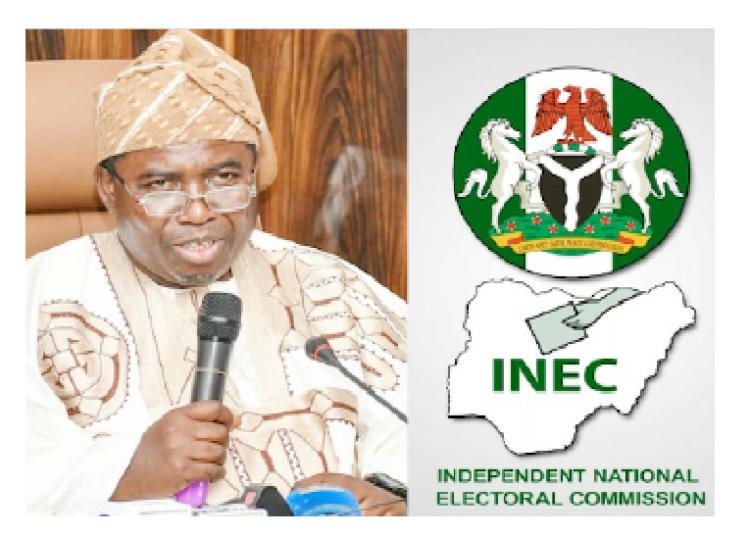
INEC’s Deputy Director of Voter Education and Publicity, Wilfred Ifogah, said the commission has an internal monitoring mechanism, an artificial intelligence division, a media monitoring unit and a rapid-response team to address false information when it is identified.
Ifogah also reiterated INEC’s position that Nigerians should rely on information and election results released through the commission’s verified communication channels. According to him, the commission will issue disclaimers when fabricated content is identified and respond through its established communication structures.
He said INEC’s rapid-response team and media monitoring unit were designed to enable the commission to react promptly when misleading material is flagged.
The development comes as artificial intelligence tools become increasingly accessible, making it easier to create realistic-looking videos, audio recordings, photographs and documents. The technology has created new challenges for election authorities, journalists and members of the public because fabricated material can sometimes resemble genuine information.
The commission has also been strengthening the capacity of its public affairs officers to deal with the changing information environment. Training programmes have focused on areas including fact-checking, misinformation, disinformation, crisis communication and the responsible use of artificial intelligence.
The objective is to improve the accuracy and consistency of official communication while helping election officials identify misleading information and respond appropriately.
INEC has also disclosed that it is engaging major technology and social media platforms, including Meta, X, TikTok, Google and WhatsApp, as part of broader efforts to address election-related misinformation and disinformation.
The concern over AI-generated election misinformation is partly informed by experiences from the 2023 general elections, when manipulated materials, misleading claims and recycled videos circulated across social media platforms.
During the 2023 elections, fact-checking organisations and media groups monitored claims relating to candidates, voting, election procedures and results. Several forms of misleading content were subjected to verification, highlighting the difficulties created by the rapid spread of information through digital platforms.
The emergence of generative AI has added another dimension to the challenge because sophisticated tools can now be used to produce fabricated media with increasingly convincing visual and audio characteristics.
Cybersecurity and AI experts have warned that the technology has reduced the technical barrier for creating fake audio, videos, images and documents. A fabricated recording attributed to a public official, for example, could potentially be produced and distributed before the individual or institution concerned has an opportunity to respond.
AI-generated content can include cloned voices, digitally manipulated photographs and synthetic videos that appear to show individuals making statements they never made. Such materials can also be combined with genuine photographs, old recordings or authentic-looking graphics to make false claims appear credible.
For election authorities, journalists and voters, one of the key challenges will therefore be determining the original source of information before accepting or sharing it.
Fact-checking experts have urged journalists to verify unusual election-related videos, audio recordings, screenshots and documents against original sources and relevant authorities before publishing or amplifying them.
They have also cautioned against relying on a single AI detection tool. Technical detection can assist in identifying manipulated material, but source verification, human review and rapid communication from trusted institutions remain important parts of the verification process.
The threat extends beyond fake election results. False information could also involve polling units, voting procedures, candidates, electoral officials, election dates and incidents allegedly occurring at polling stations.
Old videos and photographs may also be presented as though they were recorded during the 2027 election period. Similarly, genuine statements could potentially be edited, taken out of context or combined with fabricated material to create a misleading narrative.
The growing availability of AI tools means that some fabricated content could become more difficult for ordinary social media users to distinguish from authentic material.
INEC’s communication strategy is therefore expected to remain an important part of its preparations for the 2027 elections. The commission has emphasised the importance of providing accurate information through official channels while strengthening its ability to identify and respond to false content.
For voters, the development highlights the importance of checking the source of election-related information before sharing it. Information accompanied by sensational claims, unidentified sources or unusually edited audio and video may require additional verification before it is treated as authentic.
The 2027 election information environment will involve INEC, political parties, journalists, fact-checking organisations, technology companies and voters. Their respective roles will include identifying suspicious content, checking claims against reliable sources and ensuring that verified information reaches the public promptly.
The speed at which information spreads online means that a false claim can potentially reach a large audience before a formal correction is issued. This makes timely communication particularly important during voting, result collation and the announcement of election outcomes.
At the same time, the public will need to distinguish between information released by official institutions and material circulating through unverified social media accounts, messaging groups and anonymous sources.
As preparations for the 2027 general elections continue, INEC’s AI division, media monitoring structures and rapid-response mechanisms will form part of the commission’s stated efforts to address the growing challenge of digitally manipulated election information.
The commission has continued to urge Nigerians to depend on its verified communication channels for official election information and results, particularly during sensitive periods of the electoral process.
With artificial intelligence becoming increasingly accessible, the ability to authenticate digital content quickly will remain an important issue for Nigeria’s electoral stakeholders as preparations for the 2027 general elections progress.
