
2027 Elections: Anxiety Grows as Candidates Await INEC Decision on Tuesday, October 6
By Fact Harbour News
Anxiety is growing among some political parties and candidates ahead of the Independent National Electoral Commission’s (INEC) expected position on Tuesday, October 6, 2026, regarding the implications of a recent Supreme Court judgment on eligibility for the 2027 general elections.
The commission is expected to clarify how the apex court’s decision will affect political parties and candidates whose nomination processes could be linked to provisions of the Electoral Act 2026 restored by the Supreme Court.
Political actors whose candidacies have featured in discussions surrounding the judgment are closely watching developments as INEC considers the implications of the ruling.
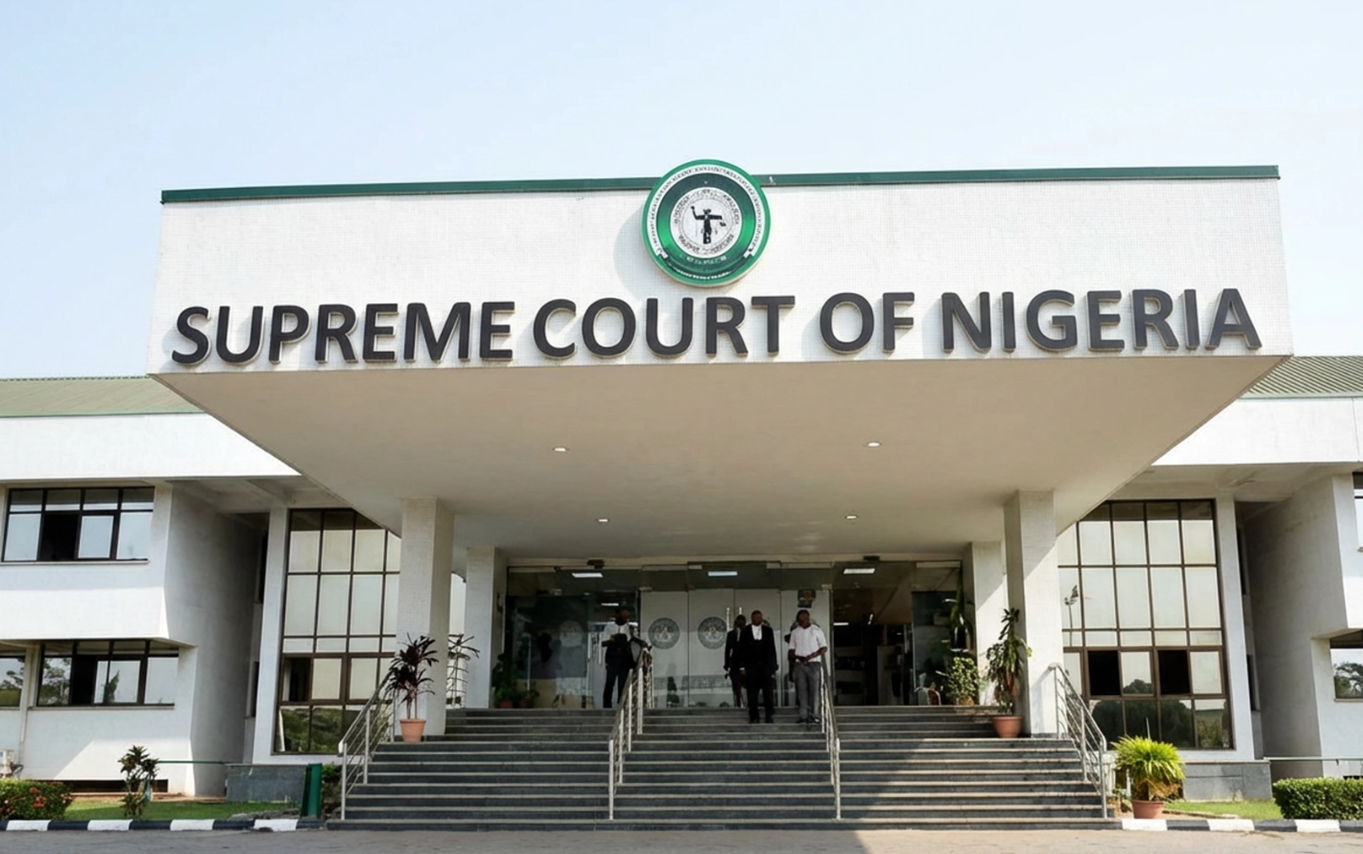
The controversy followed a unanimous decision of a seven-member Supreme Court panel delivered on September 24, 2026, in a case involving INEC and the Zenith Labour Party. The apex court overturned an earlier decision of the Court of Appeal and restored Sections 77(5), 77(6), 77(7) and 84(2) of the Electoral Act 2026.
The restored provisions concern political-party membership registers and procedures for conducting primaries, congresses and conventions used in the nomination of candidates.
Section 77(5) provides that only persons whose names appear in the membership register submitted to INEC within the prescribed period may participate in party primaries, congresses or conventions.
Section 77(6) restricts parties from using a different membership register for such exercises, while Section 77(7) provides consequences for parties that fail to comply with the requirement to submit their membership registers.
Section 84(2) deals with the procedures political parties may use to nominate candidates, including direct primaries and consensus arrangements under the conditions provided by law.
The Supreme Court held that the disputed provisions were not inconsistent with the 1999 Constitution, thereby restoring the earlier Federal High Court position and setting aside the contrary decision of the Court of Appeal.
The judgment has nevertheless raised questions about its practical implications for candidates whose nomination processes could be examined against the requirements of the restored provisions.
Legal interpretations of the judgment have also emphasised the distinction between the eligibility of a political party to nominate candidates and the personal eligibility of individual candidates.
The Supreme Court did not issue a blanket order disqualifying individual candidates in the judgment. Consequently, the effect of the ruling on particular candidates will depend on the relevant facts, the applicable law and how the electoral commission applies the provisions.
Among the politicians whose names have featured in reports and public discussions are Rivers State governorship candidate Kingsley Chinda, former Cross River State governor Donald Duke and former Delta State deputy governor Omo-Agege.
However, being mentioned in discussions surrounding the judgment does not in itself amount to a declaration by the Supreme Court or INEC that any of the individuals has been disqualified.
In Rivers State, a group has reportedly asked INEC to disqualify Chinda as the APC governorship candidate, citing issues arising from the Supreme Court judgment. Supporters of the candidate have disputed the argument, maintaining that the judgment does not automatically invalidate his candidacy.
The competing interpretations have added to the uncertainty among political stakeholders as preparations for the 2027 elections continue.
INEC’s expected position on Tuesday, October 6, is therefore being closely watched by political parties, candidates and other stakeholders.
The commission’s clarification could provide guidance on how the restored provisions will be applied administratively and whether parties or candidates will need to take additional steps to address any issues arising from the judgment.
The development could also lead to further legal challenges if political parties, candidates or other interested parties disagree with how INEC interprets or applies the Supreme Court’s decision.
The original Supreme Court case arose from a dispute over the constitutionality of provisions contained in the Electoral Act 2026. The Court of Appeal had earlier declared the disputed sections unconstitutional before INEC appealed the decision to the apex court.
By restoring the provisions, the Supreme Court returned them to the legal framework governing preparations for the 2027 elections.
With political parties already making preparations for the next general elections, candidates whose nomination processes may be affected are seeking clarity over the potential consequences of the judgment.
For now, no blanket conclusion can be drawn that candidates mentioned in the controversy are automatically disqualified. The specific consequences, if any, will depend on the facts of each case, the Electoral Act, INEC’s administrative position and any subsequent judicial interpretation.
All eyes will therefore be on INEC on Tuesday, October 6, 2026, as political parties and candidates await the commission’s position on the eligibility questions generated by the Supreme Court judgment.
