
NFF Crisis Deepens as Super Eagles Suffer 3-0 AFCON Defeat to Guinea-Bissau
Reported By Facthabournews
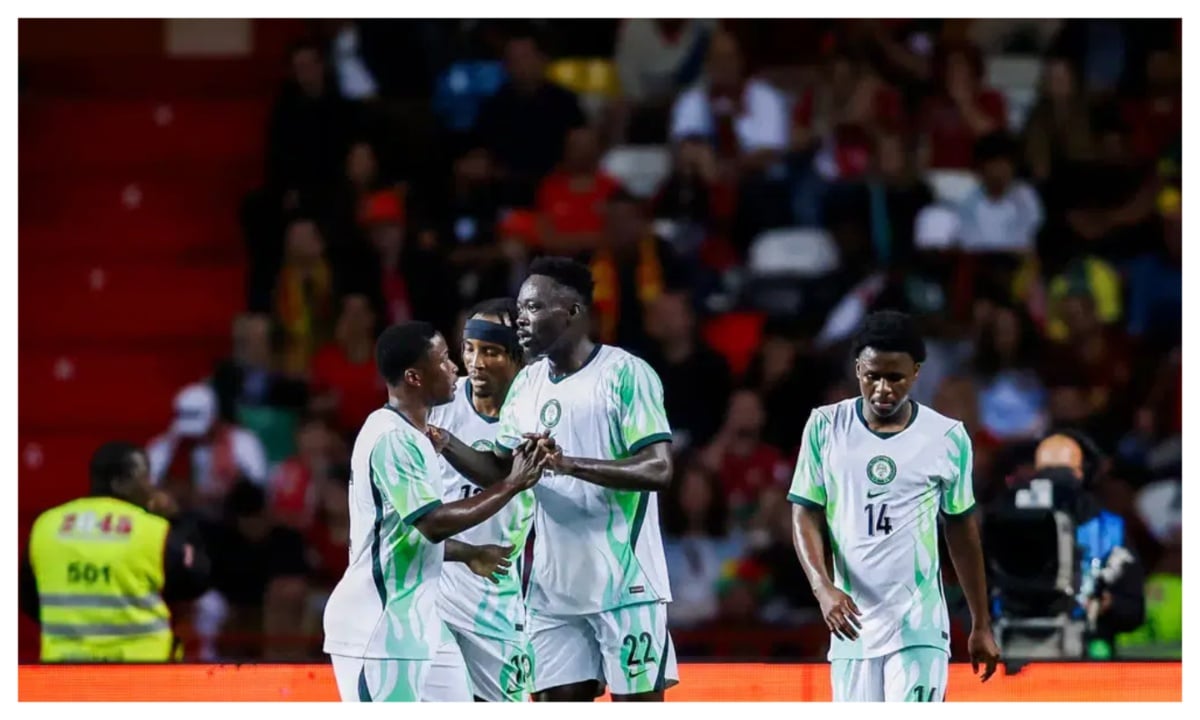
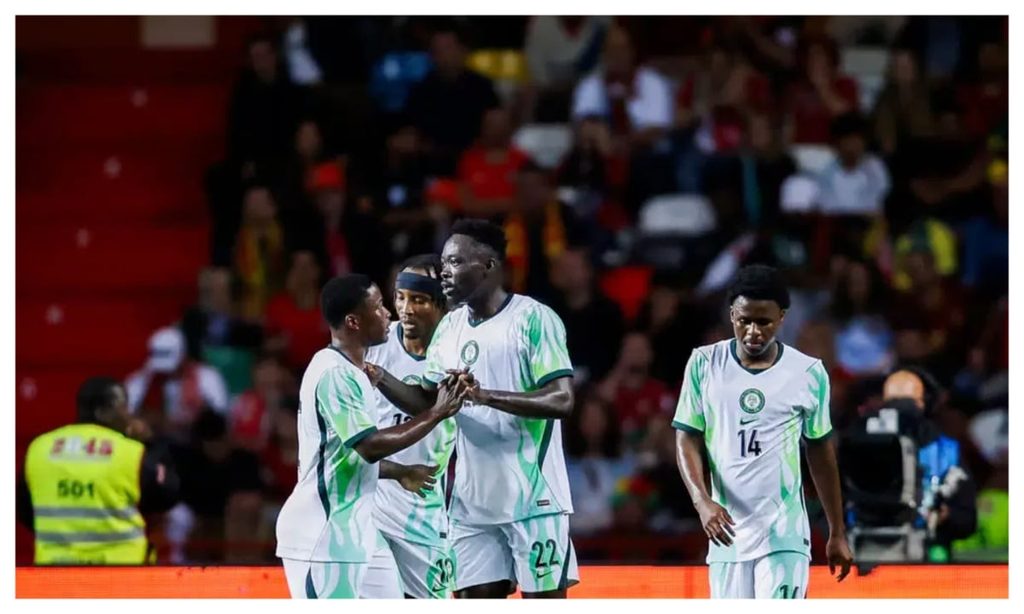
Nigeria’s Super Eagles suffered a damaging 3–0 defeat to Guinea-Bissau on Tuesday, September 29, raising fresh questions about the state of Nigerian football as the Nigeria Football Federation continues to grapple with a leadership and governance crisis.
The defeat at the Estádio 24 de Setembro in Bissau came only days after Nigeria opened its 2027 Africa Cup of Nations qualifying campaign with a 2–1 comeback victory over Madagascar in Uyo. Instead of building on that result, the Super Eagles delivered a disappointing performance against Guinea-Bissau and left themselves with significant work to do in Group L.
Franculino Djú opened the scoring for the hosts in the 15th minute before Mama Baldé doubled Guinea-Bissau’s advantage after the interval. Álvaro Djaló then completed the scoring in stoppage time to give the hosts a convincing victory.
The result has intensified criticism of the Super Eagles and the wider administration of Nigerian football, particularly because the national team entered the new qualifying campaign at a time when the NFF itself is undergoing significant institutional changes.
Nigeria’s football administration has been unsettled since the resignation of NFF President Ibrahim Gusau, General Secretary Mohammed Sanusi and other members of the federation’s Executive Committee in August. Following those resignations, the NFF suspended preparations for its scheduled elective congress and began operating under an interim arrangement.
The leadership changes came amid mounting concerns about Nigeria’s recent performances across different national teams and the country’s failure to qualify for the 2026 FIFA World Cup.
The situation subsequently attracted the attention of football’s international governing bodies. FIFA and the Confederation of African Football directed the suspension of the NFF electoral process and announced plans for a joint assessment mission to Nigeria to examine issues surrounding the federation’s governance and administration.
FIFA and CAF officials later met with representatives of the National Sports Commission and stakeholders from the NFF’s federating units as part of an assessment of the legal, governance, administrative and electoral implications of the crisis.
The timing has created an uncomfortable backdrop for the Super Eagles, who are now attempting to secure qualification for the 2027 AFCON while Nigerian football authorities work through the institutional problems surrounding the federation.
There is, however, no established evidence that the NFF crisis directly caused the 3–0 defeat in Bissau. Football matches are influenced by numerous factors, including tactics, player performance, preparation, injuries, opposition quality and conditions on the day.
But the instability within the football administration has inevitably increased public scrutiny of the national team and its management.
The NFF’s own fact-finding committee previously examined Nigeria’s poor international performances and made allegations concerning interference in technical matters. The committee, chaired by former Nigeria international Fanny Amun, alleged that some NFF officials had interfered in player selection and the appointment of coaches. Amun said the committee’s report was intended to address systemic issues rather than target individuals.
Those allegations have added another layer to the debate about the structure and administration of Nigerian football.
Against that background, the Super Eagles’ latest performance has become more than simply another disappointing result for supporters.
Nigeria struggled to establish control during the opening stages against Guinea-Bissau. The hosts took advantage of their opportunities, while the Super Eagles found it difficult to produce the attacking intensity and defensive stability required to change the direction of the game.
Guinea-Bissau’s opening goal arrived after 15 minutes when Franculino Djú found the net, giving the home side an early advantage.
Nigeria had opportunities to respond. Alex Iwobi created an opportunity for Ademola Lookman before the interval, but Guinea-Bissau goalkeeper Fernando Embadje made an important save to preserve his team’s lead.
The Super Eagles began the second half with greater urgency but were unable to convert their possession into a goal.
Moses Simon and Moses Usor combined to create an opportunity, but Nigeria’s effort did not produce the equaliser. Simon also tested the Guinea-Bissau goalkeeper, but the hosts remained in control.
Guinea-Bissau eventually increased their advantage through Baldé in the 65th minute, putting Nigeria under substantial pressure.
Nigeria’s attempts to respond included further substitutions, with George Ilenikhena and Raphael Onyedika introduced during the second half. Ilenikhena came close to scoring in the closing stages, but Embadje again prevented Nigeria from reducing the deficit.
Djaló then added the third goal in stoppage time to complete a result that left the Nigerian players and supporters disappointed.
Super Eagles head coach Eric Chelle accepted responsibility for the result while also pointing to the conditions in Bissau.
According to reports of his post-match comments, Chelle said Guinea-Bissau were the better side and apologised to Nigerian supporters. He also cited the condition of the playing surface and the weather as factors that made the match difficult.
Chelle also acknowledged that Nigeria lacked the aggression and intensity shown by the home team, particularly during the first half. He said the Super Eagles struggled to find solutions after attempting to change their approach following the interval.
His comments provide a different perspective from the wider criticism directed at the NFF. While administrative instability may form part of the broader environment surrounding Nigerian football, the coach’s immediate assessment focused primarily on what happened on the pitch.
The defeat also places greater importance on Nigeria’s remaining fixtures in the qualifying campaign.
Guinea-Bissau now have six points after winning their opening two matches, while Nigeria remain on three points following their victory over Madagascar and defeat in Bissau. Tanzania, one of the co-hosts of the 2027 tournament, has an automatic place at the finals, meaning the remaining teams in Group L are competing for the available qualifying position.
That structure leaves Nigeria with limited room for further setbacks.
The Super Eagles had started their campaign positively against Madagascar in Uyo. Nigeria conceded first before George Ilenikhena equalised in first-half stoppage time and Moses Usor completed the comeback in the second half.
The two contrasting performances have now created a difficult narrative around the team. A promising home comeback was followed by a comprehensive away defeat, leaving supporters questioning the consistency of the squad and the direction of the national team.
Fans have also taken to social media to express their disappointment, with goalkeeper Stanley Nwabali attracting particular criticism following the three goals conceded. Some supporters questioned his positioning during the opening goal and called for changes in the goalkeeping department.
Such reactions reflect the frustration surrounding the national team, although individual performances should be considered within the context of the team’s overall display rather than the result being attributed to one player.
The defeat has also revived broader conversations about the need for stability in Nigerian football administration.
The NFF crisis has already led to changes in its leadership structure, the suspension of its electoral process and international scrutiny from FIFA and CAF. At the same time, the national team is being asked to compete at a high level and secure qualification for a major continental tournament.
For supporters, the central concern is whether the ongoing institutional challenges can be resolved sufficiently to allow technical and sporting matters to receive sustained attention.
The earlier fact-finding process indicated that questions surrounding coaching appointments, player selection and administrative interference had become part of the wider debate about Nigerian football.
The latest result does not, by itself, establish that those administrative issues caused the loss to Guinea-Bissau. However, the timing of the defeat means that every poor performance is likely to be examined against the backdrop of the wider crisis.
The NFF and relevant sports authorities now face the challenge of maintaining stability while the process of reform and leadership restructuring continues.
For the Super Eagles, the immediate priority is the remaining AFCON qualifying fixtures.
Nigeria will need to recover from the Bissau defeat and produce more consistent performances in the matches ahead if the team is to remain in contention for the 2027 tournament.
The next international window will provide an opportunity for Chelle and his players to reassess their performance, address tactical shortcomings and prepare for the remaining qualifying matches.
For the Nigerian football authorities, meanwhile, the defeat provides another reminder of the pressure surrounding the national team and the importance of resolving the governance issues affecting the federation.
The Super Eagles’ 3–0 loss to Guinea-Bissau was therefore a sporting setback, but it also arrived at a particularly sensitive moment for Nigerian football.
With the NFF leadership structure undergoing changes and FIFA and CAF monitoring developments within the federation, the pressure on those responsible for Nigerian football has increased.
The challenge now is to ensure that the administrative crisis does not continue to dominate attention at the expense of the national teams, while also addressing the structural concerns that prompted the current reforms.
For the Super Eagles, however, the message from Bissau is straightforward: the team must improve.
The defeat leaves Nigeria on three points after two matches and makes the remaining Group L fixtures increasingly important. The players and coaching staff will now have to focus on restoring consistency, while football administrators continue efforts to resolve the governance questions surrounding the NFF.
The result has disappointed Nigerian supporters, but the qualification campaign is not over. What follows will determine whether the Super Eagles can recover from the setback and remain in contention for a place at the 2027 Africa Cup of Nations.
