
2027 Elections: Akpabio Warns Politicians Against Dividing Nigerians for Electoral Gains
By Fact Harbour News
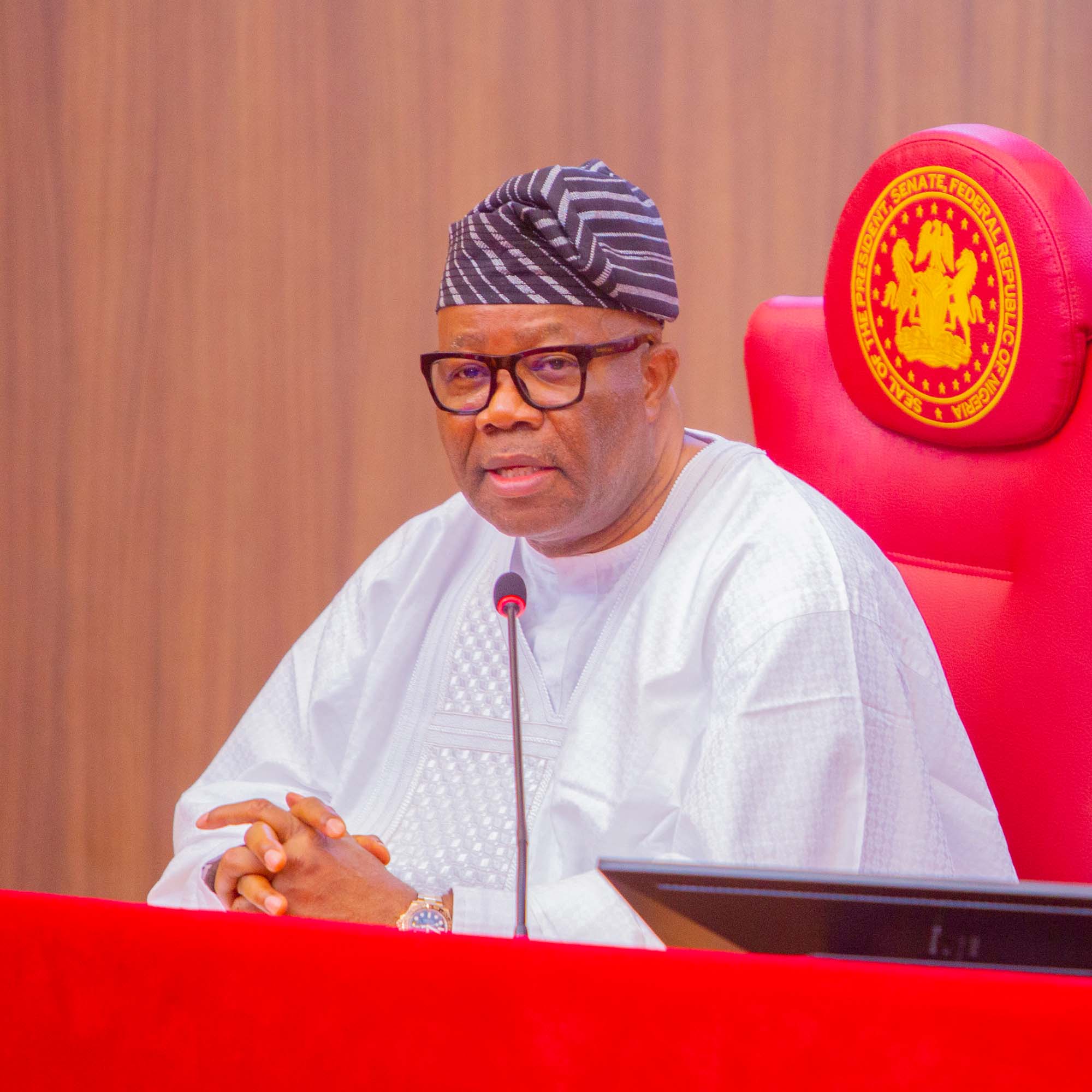
Senate President Godswill Akpabio has cautioned politicians preparing for the 2027 general elections against exploiting Nigeria’s ethnic, religious and regional differences in the pursuit of electoral advantage.
Akpabio’s warning comes as political activities gradually intensify ahead of the next general elections, with political parties and aspirants beginning to position themselves for the contests.
The Senate President urged political actors to approach the coming electoral season with a sense of responsibility and avoid rhetoric or strategies capable of creating unnecessary divisions among Nigerians.
The message comes against the backdrop of growing political mobilisation across the country, where parties and their supporters are expected to compete for votes at federal, state and legislative levels.
Political competition is a normal feature of a democratic system, but the manner in which political campaigns are conducted can have consequences beyond election day. Statements appealing to ethnic or religious sentiments can influence public discourse and potentially deepen existing social tensions.
Akpabio’s appeal is therefore centred on the need for politicians to compete through their programmes, records, ideas and proposals rather than attempting to turn Nigerians against one another for political purposes.
The Senate President has previously spoken about the importance of national cohesion and political stability. His latest warning comes at a time when discussions about the 2027 elections are becoming increasingly prominent in the national political space.
The Christian Association of Nigeria also recently cautioned politicians against exploiting religious and ethnic differences ahead of the 2027 elections. CAN President Archbishop Daniel Okoh urged Nigerians not to allow political interests to create divisions between Christians and Muslims.
The broader concerns about divisive political messaging have also emerged alongside discussions about misinformation and the growing influence of digital platforms on election campaigns.
Social media has become an important avenue for political communication, allowing candidates and political parties to reach large audiences quickly. At the same time, unverified claims, misleading information and inflammatory content can spread rapidly during politically sensitive periods.
For political parties and candidates, the coming election season is likely to involve increased efforts to communicate their policies and mobilise supporters. For voters, the campaign period will provide an opportunity to examine the different candidates, parties and programmes being presented.
Nigeria’s electoral framework has also undergone changes ahead of the 2027 elections. In February 2026, President Bola Tinubu signed the amended Electoral Act after its passage by the National Assembly. The legislation included provisions relating to election administration and electronic transmission and verification of results.
The development has generated public discussion about how elections will be conducted in 2027 and the measures required to strengthen confidence in the electoral process.
Against this background, calls for issue-based campaigns and peaceful political participation are expected to remain part of the national conversation as political parties prepare for the elections.
Akpabio’s warning also highlights the distinction between political competition and social division. While parties and candidates will naturally seek electoral support, the democratic process requires citizens to retain the freedom to support different political platforms without being subjected to threats, intimidation or hostility.
The 2027 elections are expected to be closely watched because of their significance to Nigeria’s political direction. However, the electoral contest will take place within a country made up of hundreds of ethnic communities, different religious traditions and diverse political interests.
Maintaining peaceful relations among these groups therefore remains an important consideration as campaigns gather momentum.
Political parties and candidates will ultimately have the opportunity to present their records, policies and proposed solutions to Nigerians. Voters, in turn, will decide which candidates and parties to support through the electoral process.
As the country moves closer to 2027, Akpabio’s message is that political ambition should not be allowed to undermine national cohesion or peaceful coexistence.
The warning places responsibility on political leaders and their supporters to conduct their campaigns responsibly while allowing Nigerians to participate in the democratic process without being divided along ethnic, religious or regional lines.
For the electorate, the approaching campaign season is expected to bring competing promises and policy proposals. How those issues are presented and debated will form an important part of the political conversation leading to the 2027 general elections.
