
APC Campaign Council Accuses Atiku of Role in Mambilla Contract Dispute, Calls for Withdrawal From 2027 Race
Reported By Facthabournews
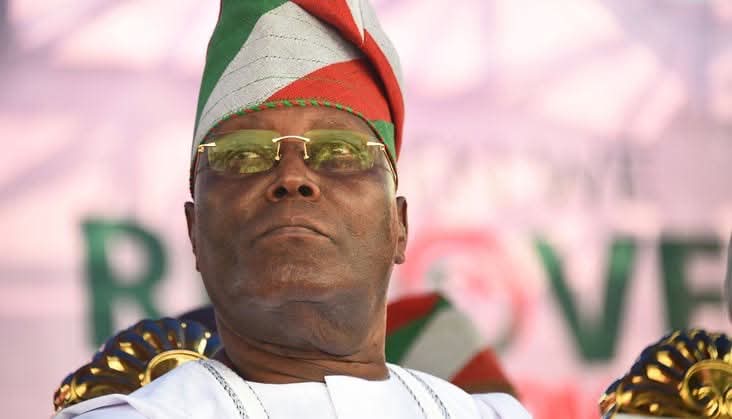
The All Progressives Congress (APC) Presidential Campaign Council has accused African Democratic Congress (ADC) presidential candidate Atiku Abubakar of being linked to events surrounding the controversial 2003 contract for the Mambilla Hydroelectric Power Project in Taraba State.
The allegation followed the recent ruling by an International Chamber of Commerce (ICC) arbitration tribunal in Paris, which rejected claims brought against Nigeria by Sunrise Power and Transmission Company Limited over disputes connected to the Mambilla project.
In a statement issued on Friday, September 18, 2026, and signed by Dele Alake, spokesman for the APC Presidential Campaign Council, the ruling was cited as evidence of what the council described as questions surrounding the original award of the Mambilla contract.
The APC campaign body alleged that Atiku, who was Vice-President at the time, and former Minister of Power Olu Agunloye were involved in the process that led to the award of the contract to Sunrise Power.
The council also focused on a $500,000 payment made by Leno Adesanya, promoter of Sunrise Power, to Jennifer Douglas, Atiku’s then-wife, on January 30, 2003.
The payment, which was made through China Castle Investments Limited to Douglas’s Citibank account in the United States, was examined during the ICC arbitration proceedings. According to details of the tribunal’s award reported by TheCable, Adesanya acknowledged making the payment but said it was connected to a foreign-exchange transaction carried out for Atiku.
The timing of the payment became an important issue in the arbitration because it occurred several months before Sunrise was purportedly awarded the build-operate-transfer contract for the Mambilla project.
The APC campaign council, however, went further in its interpretation of the evidence, alleging that the payment was connected to the contract award and accusing Atiku of compromising Nigeria’s interests.
Those allegations remain the position of the APC campaign council and should not be presented as an established finding against Atiku. Reporting on the tribunal proceedings indicates that the tribunal examined the payment and the circumstances surrounding it, but did not make a finding that Atiku personally received a bribe.
The ICC tribunal ultimately ruled in Nigeria’s favour in the arbitration, rejecting Sunrise Power’s claims associated with the Mambilla project. The dispute involved claims totalling billions of dollars, including a separate claim of about $680 million connected to a settlement arrangement and a larger claim exceeding $2.7 billion.
The tribunal also ordered Sunrise Power and its promoter, Leno Adesanya, to reimburse Nigeria approximately $11.82 million, representing 75 percent of Nigeria’s legal fees and expenses in the arbitration.
President Bola Ahmed Tinubu welcomed the ruling and said it had removed what he described as the biggest legal obstacle that had delayed the Mambilla hydropower project for years. He also commended former Presidents Olusegun Obasanjo and Muhammadu Buhari, who testified during the proceedings, as well as other witnesses and Nigeria’s legal team.
The APC campaign council’s statement also referred to the history of the 2003 contract, alleging that it was signed without the required approval of the Federal Executive Council. The Presidency had similarly stated that the Federal Executive Council did not authorise the contract.
The council criticised Atiku for not appearing to give evidence in the arbitration, contrasting this with the participation of former Presidents Obasanjo and Buhari. It further cited criticisms of Atiku contained in Obasanjo’s memoir, My Watch, as part of its broader political argument against the ADC candidate.
The APC campaign council subsequently called on Atiku to withdraw from the 2027 presidential race, arguing that the issues surrounding the Mambilla dispute demonstrated that he should not seek the presidency.
The statement also sought to draw the attention of Taraba State residents to the stalled Mambilla project, arguing that the proposed hydropower development could have significant economic implications for the state and Nigeria if eventually completed.
The Mambilla Hydroelectric Power Project has remained the subject of legal, contractual and administrative disputes for years. The latest ICC ruling resolves a major arbitration dispute involving Sunrise Power, but it does not by itself amount to completion or commencement of construction of the long-delayed project.
The controversy surrounding the $500,000 payment is also separate from the tribunal’s final decision on Sunrise Power’s financial claims. The payment was examined as part of the evidence and arguments presented during the arbitration, while the tribunal’s principal ruling concerned the claims arising from the Mambilla agreements.
The APC’s latest statement therefore adds a political dimension to the aftermath of the ICC ruling as parties and presidential candidates position themselves ahead of the 2027 general elections.
Atiku has not, in the material reviewed for this report, issued a response to the APC Campaign Council’s latest statement. His response, if issued, will provide an opportunity for him to address the allegations concerning the payment, the 2003 Mambilla contract and his role, if any, in the events surrounding its award.
The ICC ruling itself remains a significant development in the long-running Mambilla dispute, while the political interpretation of evidence examined during the arbitration is likely to continue generating debate as the 2027 election season approaches.
