
Tinubu Urges Bishops to Promote Peace, Reject Incitement Ahead of 2027
Reported By Facthabournews
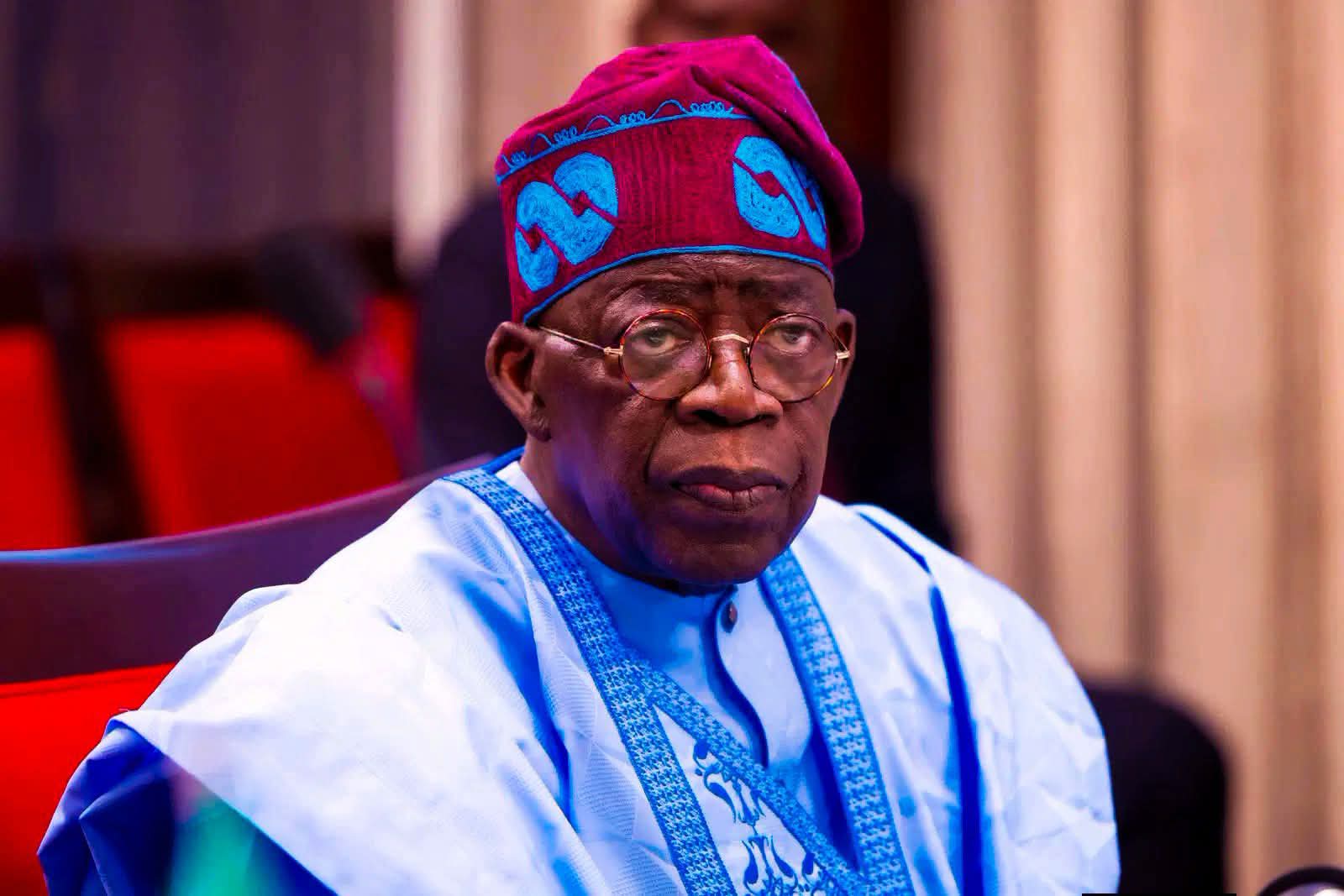
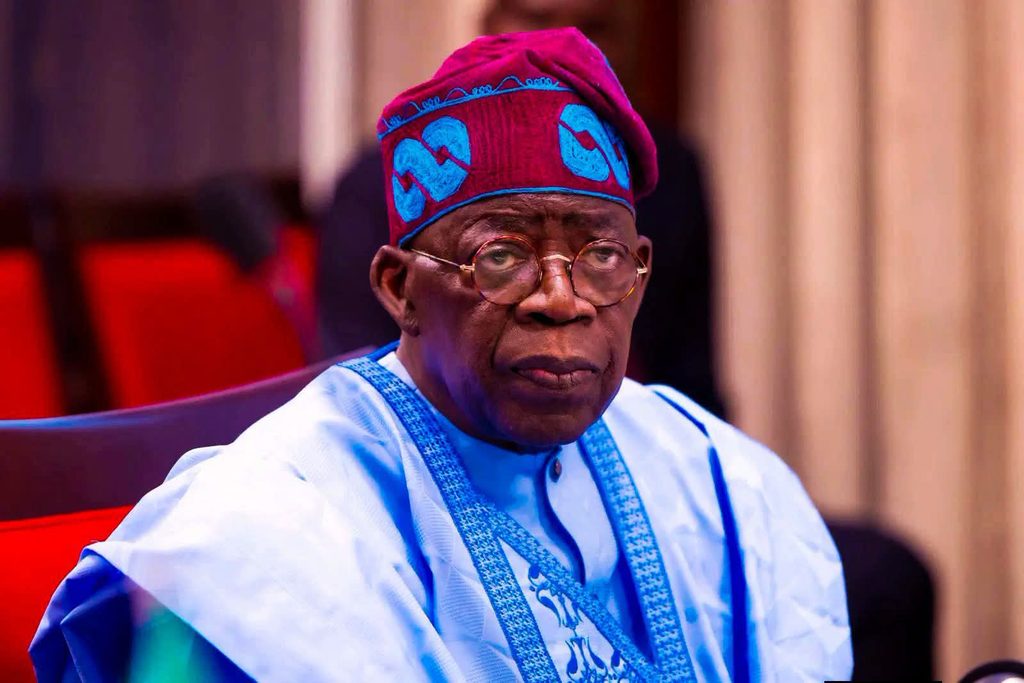
President Bola Ahmed Tinubu has urged Christian leaders to use their influence to promote peace, national unity and responsible participation ahead of the 2027 general elections, cautioning them against turning their pulpits into platforms for political incitement.
Tinubu gave the warning on Wednesday in Abuja during the 2026 International Synod of Charismatic Archbishops, Bishops and Apostles held at the National Christian Centre. The President was represented at the gathering by the Secretary to the Government of the Federation, Senator George Akume.
The President said religious leaders have an important role to play in ensuring that political activities leading to the 2027 elections do not deepen existing ethnic, religious or political divisions in the country.
He called on bishops and other Christian leaders to encourage Nigerians to participate peacefully in the electoral process while speaking out against practices capable of undermining democracy and national stability.
Tinubu urged the Church to use its considerable influence to promote issue-based political campaigns and discourage political actors from placing personal ambitions above the peace and interests of the country.
According to the President, religious leaders should also speak against vote buying, hate speech and what he described as the weaponisation of ethnicity and religion during political contests.
He stressed that elections are temporary, while Nigeria remains a permanent national project that must be protected by all citizens.
Tinubu further appealed to Christian leaders to ensure that their places of worship remain sanctuaries of conscience rather than arenas for political confrontation.
He specifically cautioned them against using the pulpit to incite supporters or deepen political tensions as the country approaches the next general election.
The President’s message comes at a time when political activities and alignments are already increasing ahead of the 2027 elections, with political parties, aspirants, religious organisations and other interest groups increasingly engaging the public.
The role of religious leaders is particularly significant in Nigeria because churches and other faith-based institutions command large followings and possess considerable influence over public opinion.
Tinubu therefore encouraged bishops to deploy that influence towards peacebuilding, responsible citizenship and the strengthening of democratic values.
He also called on religious leaders to encourage their congregations to participate in elections based on issues, competence and the overall national interest rather than ethnic or religious considerations.
The President’s representative, Akume, similarly stressed the importance of peacebuilding as part of national security. He said security challenges could not be addressed solely through the activities of the military, police and intelligence agencies.
According to the SGF, responsible speech, social cohesion, trust and early-warning mechanisms are also essential components of national security.
Akume urged the Church to strengthen its contribution to conflict prevention and national unity, particularly as political activities intensify ahead of 2027.
He said religious leaders should use their pulpits to promote peaceful participation and protect Nigeria’s democratic process rather than encourage political confrontation.
“Elections will come and go, but Nigeria must remain,” Akume said while urging the bishops to recognise the long-term consequences of inflammatory political rhetoric.
He further challenged Christian leaders to speak against vote buying, hate speech and the exploitation of ethnic and religious sentiments for political purposes.
The SGF also called for closer cooperation between government and religious institutions in areas including youth empowerment, education, civic responsibility, humanitarian intervention and peacebuilding.
He said the government needed the moral influence of religious organisations, while religious institutions also required an enabling environment to contribute effectively to national development.
The Minister of Information and National Orientation, Mohammed Idris, also appealed to religious leaders to use their influence to discourage young Nigerians from radicalisation and criminal activities.
Idris said Nigeria’s diversity required responsible leadership from every sector of society and warned that maintaining national unity could not be left to government alone.
He stressed that no election should be allowed to turn Christians against Muslims, Muslims against Christians, or one ethnic group against another.
“Nigeria belongs to all of us,” the minister said, reinforcing the administration’s appeal for peaceful political engagement.
The gathering also featured political expressions of support for Tinubu. The President-General of the Christian body, Archbishop Prof. Leonard Bature Kawas, declared the organisation’s support for the President ahead of the 2027 presidential election.
Kawas said the group had assessed the administration’s record and was prepared to continue supporting Tinubu through prayers, advocacy and public engagement.
The development highlights the increasingly important role religious institutions are expected to play as Nigeria moves towards the 2027 elections.
While religious leaders have the right to participate in national conversations and express opinions on governance, the government’s message emphasises the need for such interventions to avoid language or actions capable of triggering violence, hatred or division.
With political campaigns expected to become more intense in the months ahead, the call for responsible communication is likely to remain a major issue for political parties, religious institutions and other influential groups.
For the Tinubu administration, the emphasis is on ensuring that political competition does not threaten national cohesion. For religious leaders, the challenge will be to exercise their influence while maintaining the credibility of their institutions and encouraging citizens to make informed and peaceful electoral choices.
The President’s appeal ultimately places the preservation of Nigeria’s unity above the immediate interests of individual candidates or political parties, urging faith leaders to help ensure that the 2027 electoral contest remains a democratic exercise rather than a source of conflict.
