
Nigeria Needs Leaders Who Value Public Interest Over Personal Gains — Tinubu
Reported By Facthabournews
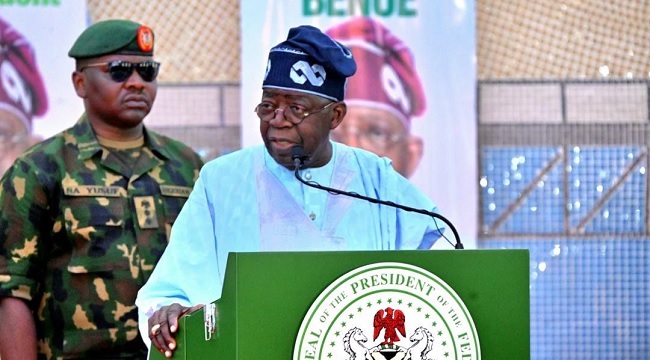
President Bola Ahmed Tinubu has called on Nigerian leaders and citizens to place the public interest above personal ambitions and gains, stressing the need for patriotic leadership to drive the country’s development.
The President made the call while speaking on the importance of national service and responsible leadership, urging those entrusted with public responsibilities to remain committed to the common good rather than pursuing personal interests.
Tinubu’s message comes amid continuing national discussions about good governance, accountability and the responsibilities of political leaders as Nigeria moves towards another electoral cycle in 2027.
According to reports on Sunday, the President emphasised the importance of having patriotic Nigerians whose commitment to the development of the country goes beyond self-interest and personal advancement.
He stressed that Nigeria’s progress requires leaders who are prepared to serve the people and make decisions in the interest of the wider society.
The President’s position also underscores the importance of public office as a responsibility rather than an avenue for personal enrichment. He called for a stronger culture of service and national commitment among political leaders and citizens.
Tinubu’s remarks come at a time when issues surrounding leadership, public accountability and the management of national resources remain prominent in public discourse.
The President has repeatedly linked Nigeria’s development challenges to the need for stronger institutions, responsible governance and a commitment to national interests. His administration has also continued to promote economic reforms, arguing that policy changes are necessary to create a stronger and more productive economy.
The call for leaders to prioritise public interest is particularly significant as political activities ahead of the 2027 general elections continue to intensify. Political parties and aspirants have already begun positioning themselves for the elections, with debates over leadership, economic policies and the future direction of the country becoming increasingly prominent.
Tinubu has also urged Nigerians to contribute to national development beyond political affiliations, emphasising the collective responsibility of citizens and leaders in building a prosperous country.
The President’s appeal for patriotic leadership is also consistent with the broader argument that public institutions function more effectively when office holders place institutional responsibilities and citizens’ welfare ahead of individual or sectional interests.
Nigeria, Africa’s most populous country, faces significant challenges in areas including economic growth, unemployment, insecurity, infrastructure and social welfare. Addressing these challenges requires sustained policy implementation as well as effective leadership at federal, state and local government levels.
The President therefore urged Nigerians to continue supporting efforts aimed at strengthening the country while encouraging those in positions of authority to remain focused on the responsibilities attached to public office.
His remarks have also renewed attention on the role of ethical leadership in Nigeria’s development, particularly as the country prepares for the next general elections.
For many Nigerians, the effectiveness of government policies is ultimately measured by their impact on ordinary citizens. Issues such as employment opportunities, access to quality healthcare and education, infrastructure, security and economic stability remain central to public expectations from government.
Tinubu’s call consequently places emphasis on the need for leaders to ensure that public resources and government programmes are directed towards improving the lives of citizens.
The President’s message is expected to continue generating discussion among political leaders, civil society organisations and Nigerians as the country approaches the 2027 electoral season.
With political activities expected to increase in the coming months, the question of leadership priorities is likely to remain a major issue in national conversations, particularly regarding how competing political interests can be balanced with the broader needs of the Nigerian people.
