Netanyahu Says Israel Has Completed 80–90% of Work Against Iran’s Nuclear Threat
Reported By Facthabournews
Israeli Prime Minister Benjamin Netanyahu has said Israel has completed between 80 and 90 per cent of what he described as the necessary work against the threat posed by Iran’s nuclear programme, while insisting that the remaining objectives must still be achieved.
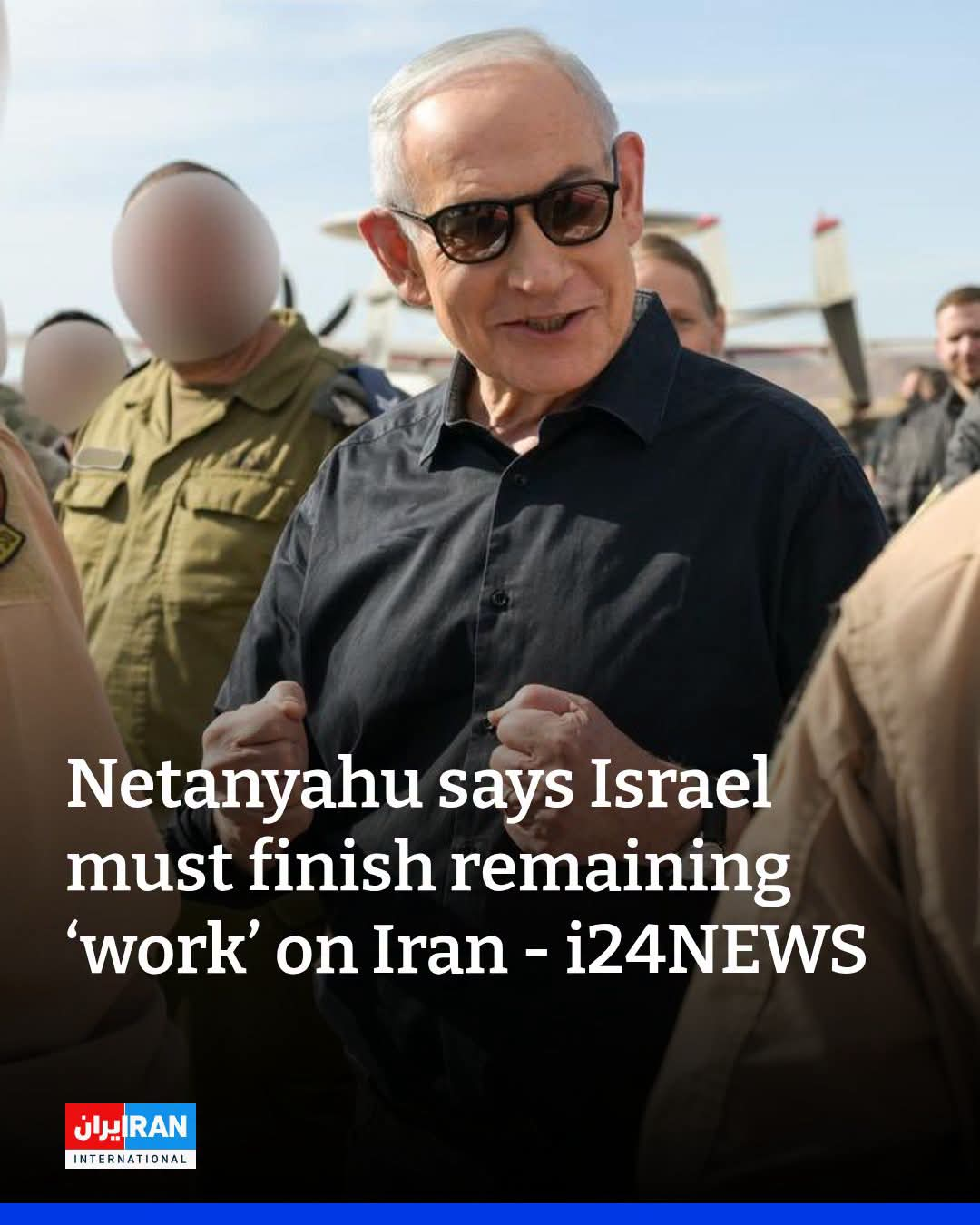
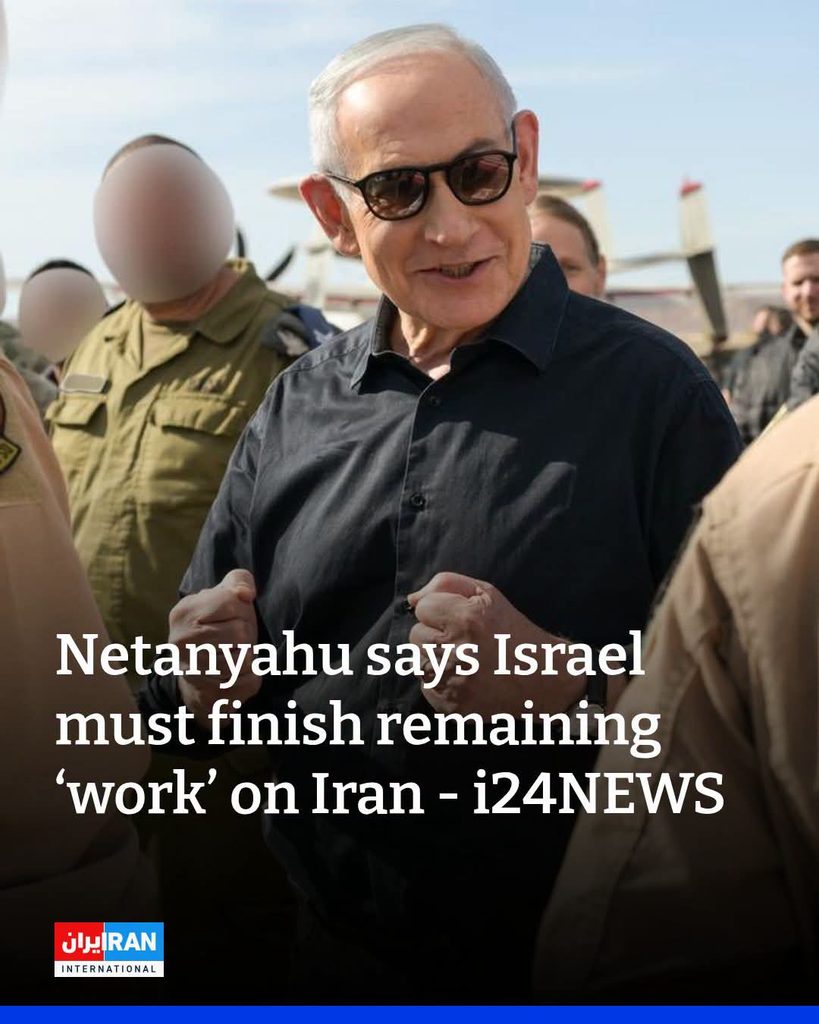
Netanyahu made the remarks in an interview with i24NEWS as tensions between Israel and Iran remain high, saying Israel’s campaign against Tehran was not yet complete.
“The existence of the state was under threat from atomic bombs from Iran,” Netanyahu said. “We have done 80-90% of the work. We need to complete what remains.”
The Israeli prime minister did not provide details in the interview on how he calculated the 80 to 90 per cent figure or precisely what remained to be accomplished. His comments nevertheless indicate that Israel considers the Iranian nuclear issue an ongoing security priority.
Netanyahu also described his broader objective as confronting Iran directly while weakening what he referred to as the country’s regional network of allies and armed groups.
“My intention was that in the end we would confront Iran, the head of the octopus, cut off the arms, strike and wound this axis of evil — and we did it very forcefully,” he said.
He went further by declaring that Israel was seeking the downfall of Iran’s current government.
“The Iranian regime will fall. We will bring it down,” Netanyahu said, adding that Israeli systems were operating under his direction to achieve that objective.
Netanyahu also indicated that Israel retained the capability to conduct military operations inside Iranian territory. Referring to Israeli pilots who had previously operated there, he said they “were there and can be there at any moment.”
The comments amount to a continued declaration that Israel’s military campaign against Iran is not considered complete, despite periods of reduced direct fighting.
Iran’s nuclear programme has remained at the centre of the confrontation between Tehran and Israel. Iran has consistently maintained that its nuclear activities are peaceful, while Israel has argued that Iran’s enrichment capabilities could eventually enable it to develop nuclear weapons.
The International Atomic Energy Agency has said that significant questions remain about Iran’s nuclear activities and stockpiles following attacks on nuclear facilities. According to a recent Reuters report, Iran had accumulated 440.9 kilograms of uranium enriched to 60 per cent before the attacks, while IAEA inspectors have not regained access to some key sites. The agency therefore lacks updated information on the current status of the material.
The uncertainty surrounding the whereabouts and condition of Iran’s enriched uranium has added to international concerns over the future of the country’s nuclear programme.
The United States, Britain, France and Germany have also been pushing for action through the IAEA over Iran’s failure to provide sufficient access and information concerning its nuclear activities. A proposed resolution could refer the matter to the United Nations Security Council, although any subsequent action could face opposition from Iran’s allies, Russia and China.
Netanyahu’s latest comments also broadened the stated Israeli objective beyond Iran’s nuclear capabilities to the survival of the Iranian government itself. His remarks suggest that regime change remains an objective for his administration, rather than simply the destruction or limitation of nuclear facilities.
Iran has not accepted Israel’s characterization of its nuclear programme as an existential military threat and has repeatedly rejected allegations that it is pursuing nuclear weapons.
The latest statements are likely to raise further concerns about the possibility of renewed military confrontation in the region, particularly given Netanyahu’s assertion that Israeli forces remain capable of returning to Iranian airspace.
As diplomatic and military tensions continue, the condition of Iran’s nuclear infrastructure, the status of its enriched uranium stockpile and the future of the Iranian government remain major issues in the wider Middle East crisis.
For now, Netanyahu’s message is that Israel considers its campaign against Iran unfinished, with the Israeli prime minister saying the country has completed most, but not all, of the work it set out to accomplish.
