
Pakistan Mediator Heads to Iran as US Prepares ‘Economic D-Day’
Reported By Facthabournews
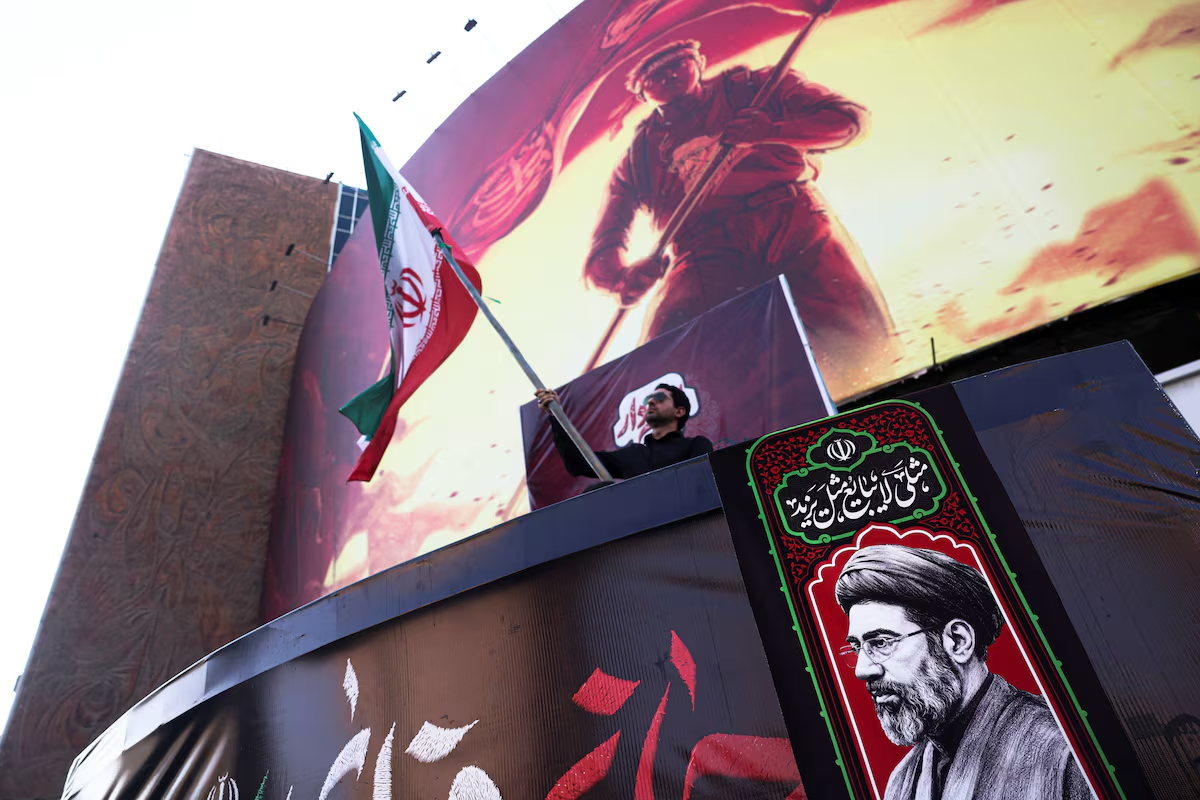
Pakistan is stepping up diplomatic efforts to ease tensions between the United States and Iran as Washington prepares to impose a major new round of economic sanctions on Tehran.
Pakistan’s army chief, Field Marshal Asim Munir, is in Tehran as part of Islamabad’s efforts to promote regional peace and stability and help bridge the widening gap between Washington and Tehran. His visit comes on the same day that the United States is preparing to unveil what Treasury Secretary Scott Bessent has described as an unprecedented financial offensive against Iran and countries that continue doing business with it.
Munir’s Tehran Mission
Munir’s visit is part of Pakistan’s continuing role as a mediator between Iran and the United States.
Pakistani and Iranian officials said the army chief is expected to hold discussions with senior Iranian figures on the conflict, regional security and efforts to revive diplomatic engagement between Tehran and Washington.
The visit follows earlier Pakistani mediation efforts that contributed to an Islamabad Memorandum of Understanding between Iran and the United States. However, that understanding later came under strain as fighting resumed and tensions increased.
Pakistan’s Foreign Ministry has previously confirmed that Islamabad remains engaged with both sides and has described its role as a combination of facilitation and mediation, particularly concerning the Strait of Hormuz and broader regional tensions.
US Prepares Tougher Economic Measures
Munir’s visit comes at a critical moment.
The United States is preparing to announce sweeping new sanctions targeting Iran and businesses and countries that continue to maintain significant economic relations with Tehran.
Bessent has called the campaign the “single greatest financial offensive” against an adversary, while describing Monday as an economic “D-Day” for Iran.
Washington says the measures are designed to intensify economic pressure on Tehran and restrict the financial channels supporting the Iranian government.
The US administration has also warned countries against providing Iran with what President Donald Trump has described as an economic lifeline.
Iran Rejects Washington’s Pressure
Iran has dismissed the threatened sanctions, arguing that increased economic pressure will not force Tehran to surrender its position.
Iranian officials have criticised Washington’s strategy and warned countries against participating in the US campaign.
Tehran has also threatened to take measures affecting oil shipments from the Gulf if the economic confrontation continues, raising concerns about possible disruption to global energy markets.
The Strait of Hormuz is particularly important because it is a major route for international oil and gas shipments. Any prolonged disruption could therefore have consequences well beyond the Middle East.
Pakistan Tries to Bridge the Gap
Pakistan’s mediation efforts come as diplomatic options appear increasingly important to prevent the conflict from escalating further.
Sources cited by Reuters said Munir spoke by telephone with Trump last week before travelling to Tehran. The conversation has not been publicly detailed, and the White House has not commented on what was discussed.
The contact could give Islamabad an additional channel for communicating with Washington while Munir engages Iranian officials in Tehran.
Pakistan has maintained relations with Iran while also having important strategic ties with the United States and other countries in the region.
That position gives Islamabad an opportunity to act as an intermediary, although analysts differ over how much influence Pakistan can exert over the two sides.
Strait of Hormuz Remains Key Issue
One of the major issues surrounding the conflict is the status of the Strait of Hormuz.
The waterway is critical to global energy supplies, and tensions surrounding its operation have already affected oil shipments.
Pakistan has previously participated in diplomatic efforts aimed at easing the standoff and facilitating safe passage for commercial vessels.
The country’s Foreign Ministry said in June that Pakistan and Qatar were working with the United States and Iran through technical-level talks aimed at implementing earlier agreements and reducing the risk of incidents around the waterway.
Any agreement that restores predictable commercial shipping through the strait could help reduce pressure on international energy markets.
Global Economic Concerns
The latest escalation has also raised concerns about the wider global economy.
Iran is a major regional energy producer, while the Gulf is central to international oil supplies. Any prolonged disruption could affect crude prices, shipping costs, inflation and energy security in countries far from the Middle East.
The threatened sanctions could also affect companies and countries that maintain commercial relationships with Iran, potentially complicating international trade.
This makes the diplomatic efforts by Pakistan and other countries particularly significant as governments seek to prevent the conflict from developing into a broader regional and economic crisis.
What Happens Next?
The outcome of Munir’s meetings in Tehran could provide an indication of whether Pakistan can help reopen a diplomatic channel between Iran and the United States.
However, major differences remain between Washington and Tehran over sanctions, Iran’s military and nuclear capabilities, regional security and the Strait of Hormuz.
The immediate focus is now on the US announcement of its new economic measures and Iran’s response.
If the two sides remain unwilling to compromise, the confrontation could intensify despite ongoing mediation efforts.
For Pakistan, the challenge will be to maintain its credibility with both sides while encouraging dialogue and preventing further escalation.
Munir’s Tehran visit therefore comes at a particularly sensitive moment, as the United States prepares what it calls an unprecedented economic campaign against Iran and Tehran warns that continued pressure could trigger further regional consequences.
This report is based on statements from Pakistani and Iranian officials and reporting by Reuters and other established international news organisations. The outcome of the mediation effort remains uncertain, and developments may change as talks continue.
