
Scavengers Strip Lagos Bridges, Homes in Widespread Theft
Reported By Facthabournews
A growing wave of metal scavenging and vandalism in Lagos State has raised fresh concerns about public safety after scavengers were found targeting bridges, residential buildings, construction sites and other infrastructure for valuable metal components.
The activities, according to findings reported by PUNCH, have moved beyond the theft of exposed materials such as manhole covers and cables. Some suspected scavengers are now reportedly breaking into concrete structures to remove reinforcement rods, steel components and electrical wiring, potentially weakening buildings and public infrastructure.
Scavengers Target Bridges and Buildings
Metal scavengers, popularly referred to in Nigeria as “iron condemned” pickers, typically collect discarded metal and sell it to scrap dealers. However, the recent developments in Lagos have raised concerns because some individuals are allegedly removing materials that are still part of functioning structures.
Investigations found instances where concrete surrounding reinforcement rods had been broken open so the metal could be extracted.
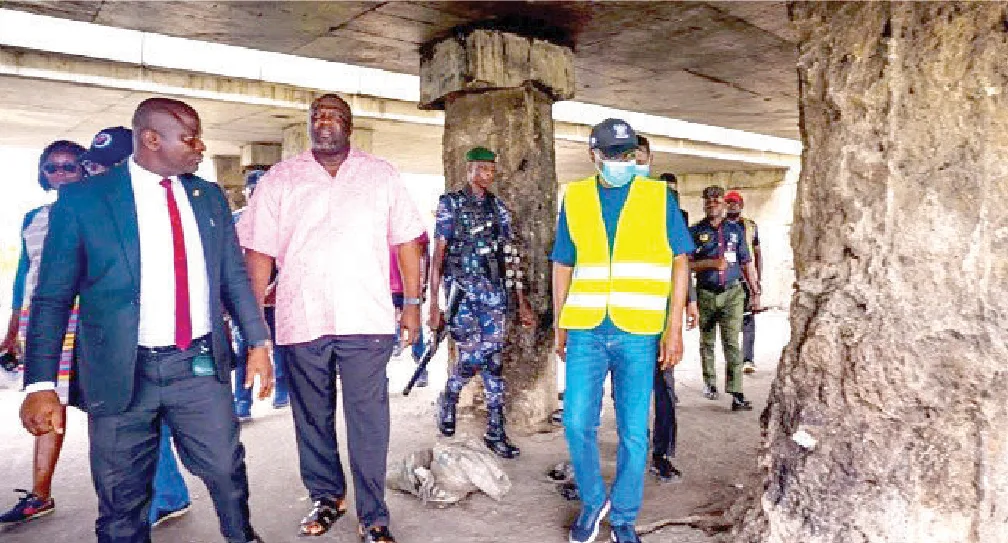
Bridges have become a particular concern because their structural components are essential to their stability. Removing reinforcement steel from bridge pillars can weaken the structures and potentially create serious safety risks.
A previous case involved the bridge linking Alakija and FESTAC in Lagos, where suspected vandals allegedly broke into concrete pillars and removed embedded iron rods and other structural materials.
The Lagos State Government subsequently announced the arrest of 27 suspected hoodlums in connection with the reported vandalism.
Homes Also Being Targeted
The problem is not limited to public infrastructure.
According to the investigation, some occupied and unoccupied residential buildings have also been targeted. In some cases, scavengers allegedly remove roofing sheets, electrical cables and structural steel from buildings.
More concerning are reports that some individuals have reportedly dug into foundations and supporting pillars in search of reinforcement rods.
Homeowners may not immediately realise that parts of their buildings have been tampered with, particularly when the damage occurs in concealed areas.
Structural engineers have warned that unauthorised removal of reinforcement materials can compromise the strength and stability of a building.
Why Scrap Metal Theft Is Increasing
The growing demand for scrap metal is believed to be one of the factors encouraging the activities.
Metal such as steel, copper and aluminium can be sold to recycling and scrap dealers, creating a financial incentive for individuals to collect valuable materials.
However, authorities face the challenge of distinguishing legitimate recycling activities from the theft of functioning public and private infrastructure.
The situation becomes particularly serious when stolen materials come from bridges, roads, electricity infrastructure, drainage systems or buildings still in use.
Public Infrastructure at Risk
The development comes amid wider concerns over the vandalism of public infrastructure in Lagos and other parts of Nigeria.
The Federal Ministry of Works recently raised concerns about vandalism along the Lagos-Calabar Coastal Road. Reports indicated that more than 1,800 manhole covers, one kilometre of clear-view fencing and 75 directional signs had reportedly been removed from sections of the project between January and August 2026.
Such theft can impose additional costs on government because damaged infrastructure may require repairs or replacement.
It can also create safety hazards for motorists, pedestrians and residents.
Government Faces Enforcement Challenge
The authorities are expected to strengthen surveillance and enforcement measures to prevent the destruction of critical infrastructure.
The Lagos State Government has already indicated that suspects arrested in connection with bridge vandalism would face prosecution under applicable state laws.
However, tackling the problem may require more than arresting individual scavengers.
Authorities may also need to examine the wider scrap-metal supply chain, including how stolen materials reach buyers and recycling centres.
Effective regulation of scrap dealers and stronger verification of the origin of metals could make it more difficult for stolen infrastructure components to enter the recycling market.
Need for Greater Public Awareness
Residents and property owners also have an important role to play.
Homeowners should pay attention to unusual damage around buildings, particularly unexplained removal of roofing materials, electrical cables or sections of concrete.
Communities can also report suspicious activities around bridges, construction sites and public infrastructure to relevant authorities.
Early reporting could help prevent relatively small acts of vandalism from developing into major structural problems.
Safety Concerns Extend Beyond Financial Loss
The consequences of infrastructure vandalism go beyond the value of the stolen materials.
A bridge weakened by the removal of reinforcement rods could expose road users to danger. Damage to electrical infrastructure can create additional hazards, while tampering with buildings may put occupants at risk.
For this reason, experts and authorities are increasingly treating infrastructure vandalism as a public safety issue rather than simply a property crime.
The Lagos situation highlights the need for stronger cooperation between government agencies, security authorities, property owners, communities and legitimate operators in the recycling industry.
A Growing Challenge for Lagos
The increasing targeting of bridges, homes and other structures demonstrates how the scrap-metal trade can become dangerous when valuable materials are obtained through vandalism.
While recycling and legitimate collection of discarded metal can provide economic opportunities, the removal of materials from functioning infrastructure can cause significant damage and expose communities to avoidable risks.
The authorities’ response will therefore need to address both the individuals carrying out the vandalism and the market that creates demand for stolen materials.
For Lagos, protecting bridges and buildings from further damage will be important not only for preserving public investments but also for ensuring the safety of residents and road users.
As investigations and enforcement efforts continue, stakeholders will be watching to see whether stronger measures can curb the growing problem and prevent scavengers from turning essential infrastructure into sources of scrap metal.
This report is based on publicly reported findings concerning metal scavenging and infrastructure vandalism in Lagos State. Allegations against individuals remain subject to investigation and due legal process.
