
Minister Pledges Support to Strengthen Copyright Enforcement in Nigeria
Reported By Facthabournews
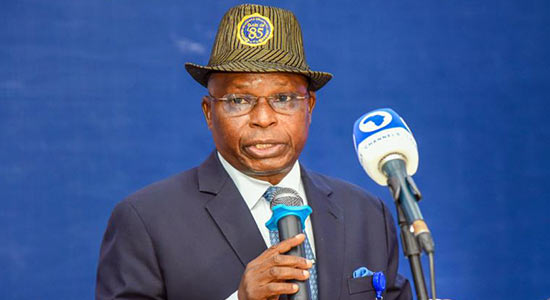
The Attorney-General of the Federation and Minister of Justice, Lateef Fagbemi, has reaffirmed the Federal Government’s commitment to supporting the Nigerian Copyright Commission (NCC) in the effective enforcement of copyright laws and the protection of intellectual property rights.
Fagbemi gave the assurance as the Nigerian Copyright Commission continues efforts to strengthen copyright administration, combat piracy and protect the rights of creators across Nigeria.
The minister’s position comes amid growing concerns over copyright infringement, particularly in the digital environment, where music, films, books, software and other creative works can be reproduced and distributed without the permission of their owners.
Government Backs Copyright Enforcement
The Federal Government’s support is expected to strengthen the NCC’s ability to carry out its statutory responsibilities, including the administration, regulation and enforcement of copyright in Nigeria.
The Commission is responsible for addressing copyright infringement and supporting a stronger environment for creators, publishers, filmmakers, musicians, software developers and other rights holders.
The NCC has continued to emphasise the importance of enforcement as part of efforts to ensure that creators receive appropriate benefits from their intellectual property. Its current digital registration platform also highlights legislative reforms, enforcement, capacity building and information dissemination as areas of focus.
Piracy Remains a Major Challenge
Copyright infringement remains a significant challenge for Nigeria’s creative and knowledge-based industries.
The growth of social media, streaming platforms, file-sharing services and other digital channels has created new opportunities for creators but has also made it easier for copyrighted works to be distributed without authorisation.
The challenge extends across several sectors, including music, film, publishing, broadcasting and software.
For creators and investors, unauthorised reproduction and distribution can reduce legitimate revenue and discourage investment in new works.
The NCC has therefore increased its focus on enforcement and has adopted measures aimed at addressing both physical and digital forms of piracy.
In recent enforcement operations, the Commission has also worked with other government institutions to investigate suspected copyright violations and pursue legal action where appropriate.
NCC Seeks Stronger Institutional Capacity
Effective copyright enforcement requires more than legislation. It also depends on adequate funding, trained personnel, technology and cooperation between government institutions.
The NCC has previously identified funding and institutional capacity as important factors affecting its ability to conduct enforcement operations effectively.
The Commission has also highlighted the importance of cooperation with law-enforcement agencies and other stakeholders, particularly in cases involving large-scale or cross-border infringement.
Government support could therefore help the Commission expand its capacity to monitor infringement, investigate complaints and pursue cases through the appropriate legal channels.
Protecting Nigeria’s Creative Economy
Copyright protection has become increasingly important as Nigeria’s creative economy expands.
The country’s entertainment industry, publishing sector, software industry and other creative businesses employ large numbers of people and generate economic activity.
When intellectual property is properly protected, creators have greater incentives to invest time and resources into developing new works.
Stronger copyright enforcement can also encourage legitimate licensing arrangements and provide opportunities for businesses to commercialise intellectual property legally.
The NCC has previously stated that proactive enforcement and collaboration with stakeholders are essential to creating an environment in which creative enterprise can thrive.
Digital Copyright Requires New Approaches
The changing nature of content distribution means that copyright enforcement must continue to evolve.
Traditional enforcement methods that focused largely on physical copies are no longer sufficient in an environment where copyrighted material can be uploaded, copied and distributed across multiple digital platforms within a short period.
The NCC has consequently placed greater emphasis on technology and digital enforcement.
The Commission’s current online systems also reflect its broader effort to make copyright administration more accessible while improving service delivery to creators and other stakeholders.
Benefits for Creators and Businesses
For Nigerian creators, stronger copyright enforcement could provide greater confidence that their works will receive legal protection.
Musicians, filmmakers, authors, photographers, software developers and other creative professionals depend on intellectual property rights to control how their works are reproduced, distributed and commercially exploited.
Businesses that legally license copyrighted materials can also benefit from a more predictable regulatory environment.
A stronger enforcement system could therefore benefit not only individual creators but also investors, distributors, publishers, broadcasters and other businesses operating within the creative economy.
Continued Collaboration Needed
The minister’s assurance also highlights the importance of collaboration between the Ministry of Justice, the NCC, law-enforcement agencies, rights holders and other stakeholders.
Copyright enforcement can involve investigations, seizures, prosecutions, licensing disputes and other legal processes. Effective coordination among the relevant institutions is therefore necessary to ensure that cases are handled efficiently.
The Commission has repeatedly called on stakeholders within the creative industries to support efforts against piracy and comply with copyright regulations.
What Lies Ahead
The renewed commitment from the Federal Government is expected to encourage the NCC to intensify its enforcement and awareness activities.
However, the effectiveness of copyright protection will ultimately depend on the consistent implementation of the law, adequate institutional resources, public awareness and cooperation from creators, businesses and consumers.
As Nigeria’s creative economy continues to expand, protecting intellectual property will remain important to ensuring that creators can benefit from their work and that legitimate businesses can operate on a level playing field.
The minister’s assurance therefore comes at a time when the copyright system is facing both traditional piracy challenges and increasingly complex forms of digital infringement.
For the NCC, continued government backing could provide an opportunity to strengthen enforcement, improve institutional capacity and contribute to a more sustainable environment for Nigeria’s creative and knowledge industries.
*This report is based on publicly available information concerning the Nigerian Copyright Commission and government support for copyright enforcement. Specific enforcement actions and legal proceedings remain subject to applicable laws and judicial processes.*
