
Dangote Refinery Reduces Petrol, Diesel Prices, Raising Hopes for Lower Pump Costs
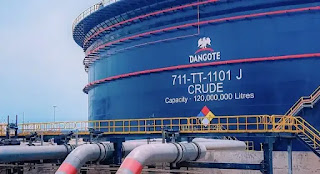
Dangote Petroleum Refinery has announced a fresh reduction in the ex-depot prices of Premium Motor Spirit (PMS), commonly known as petrol, and Automotive Gas Oil (AGO), also known as diesel, in a move that is expected to positively impact Nigeria’s downstream petroleum sector and provide some relief for consumers.
Under the new pricing structure, the refinery reduced the gantry price of petrol from ₦1,215 per litre to ₦1,165 per litre, representing a ₦50 per litre reduction. Diesel prices were also adjusted downward from ₦1,650 per litre to ₦1,570 per litre, reflecting a ₦80 per litre decrease.
The latest price review is expected to encourage filling stations across the country to gradually reduce their retail pump prices as marketers begin purchasing products at the new rates. Industry stakeholders believe the adjustment could ease transportation costs and reduce the operating expenses of businesses that rely heavily on diesel-powered equipment and generators.
Although consumers have welcomed the development, experts have noted that the actual pump price at filling stations may differ from one location to another. Factors such as transportation costs, storage expenses, distribution charges, operational overheads, and individual marketers’ pricing strategies will continue to influence the final retail price paid by motorists.
The reduction comes at a time when Nigerians have been seeking relief from the high cost of transportation and the rising prices of goods and services, much of which has been driven by increased fuel costs. Analysts believe that sustained reductions in petroleum prices could contribute to easing inflationary pressures and improving the purchasing power of households.
Earlier, the National President of the Petroleum Products Retail Outlets Owners Association of Nigeria (PETROAN), Billy Gillis-Harry, had expressed optimism that petroleum product prices would continue to decline if the cost of importing fuel and other market fundamentals remained favourable. According to him, increased competition in the downstream sector and improved local refining capacity are likely to promote more stable pricing in the future.
Dangote Petroleum Refinery, regarded as Africa’s largest single-train refinery with a refining capacity of approximately 650,000 barrels of crude oil per day, has continued to play a significant role in reshaping Nigeria’s petroleum industry. Since commencing the supply of refined products to the domestic market, the refinery has contributed to reducing dependence on imported petroleum products while increasing local availability of fuel.
Energy economists believe that local refining offers several long-term advantages, including improved energy security, conservation of foreign exchange previously used for fuel imports, job creation, and greater stability in the nation’s fuel supply chain. They also note that increased domestic production could strengthen competition among suppliers, ultimately benefiting consumers through more competitive pricing.
The latest adjustment is also expected to benefit manufacturers, transport operators, logistics companies, farmers and small businesses whose operational costs have risen sharply in recent years due to expensive fuel. Lower diesel prices, in particular, could reduce production costs for industries that rely on generators because of irregular electricity supply.
Market observers, however, caution that future fuel prices will continue to depend on several factors, including global crude oil prices, exchange rate movements, government fiscal and energy policies, shipping costs, and overall market demand. They note that while local refining has improved supply, fluctuations in international energy markets can still influence domestic pricing.
Many Nigerians have welcomed the announcement, expressing hope that the reduction will be reflected quickly at filling stations nationwide and provide much-needed economic relief. If the downward trend continues, analysts say it could help lower transportation fares, reduce the cost of essential commodities, stimulate economic activities, and improve the overall business environment.
The latest price reduction further reinforces expectations that Nigeria’s growing domestic refining capacity will continue to play a crucial role in stabilising the country’s petroleum market while supporting sustainable economic growth.
