
Deputy Speaker’s Office Clarifies ₦1 Billion Budget Provision, Says Programme Targets Youth Reorientation Through Churches
By facthabournews
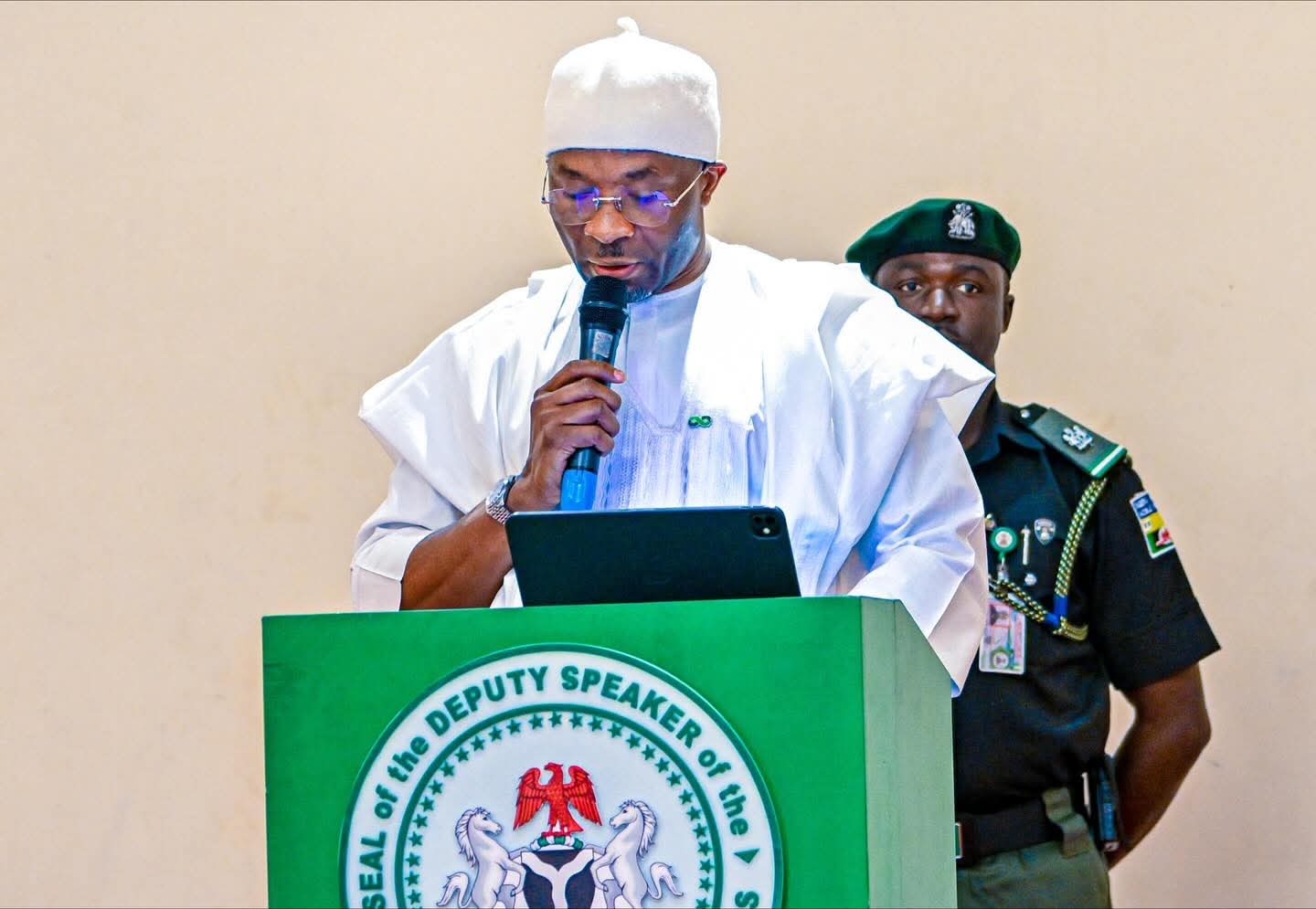
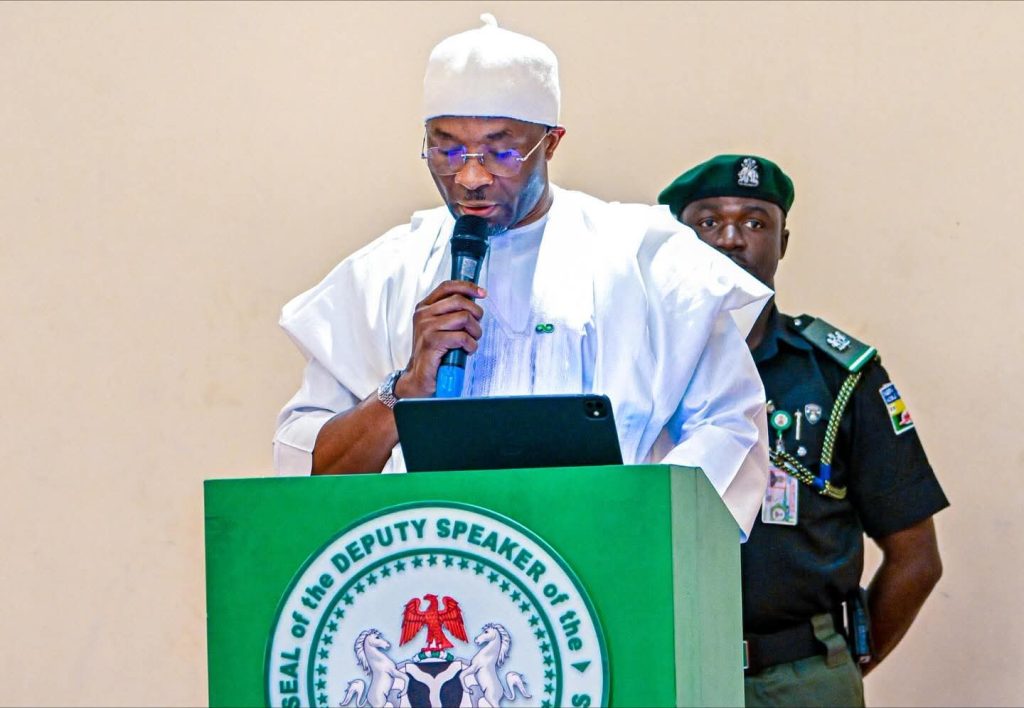
The Office of the Deputy Speaker of the House of Representatives, Rt. Hon. Benjamin Okezie Kalu, has dismissed reports suggesting that the 2026 federal budget earmarked ₦1 billion solely for the purchase of musical instruments for churches in Bende Federal Constituency, describing the reports as misleading and a misrepresentation of the actual purpose of the intervention.
In a statement issued on Wednesday by the Deputy Speaker’s Chief Press Secretary, Levinus Nwabughiogu, the office explained that the budgetary provision is part of a comprehensive Youth Reorientation and Social Support Programme designed to address growing social challenges among young people through partnerships with faith-based organisations across Bende Federal Constituency in Abia State.
According to the statement, the actual allocation for the intervention is ₦780 million after the deduction of Value Added Tax (VAT) and other statutory charges, contrary to widespread claims that ₦1 billion had been approved exclusively for the procurement of musical instruments for churches.
The office explained that the programme’s first phase will benefit 130 churches spread across the constituency’s 13 electoral wards, with each participating church expected to receive intervention support valued at between ₦5 million and ₦6 million. It noted that the support package is intended to strengthen existing youth-focused programmes already being implemented by religious organisations within their communities.
The statement stressed that the initiative goes beyond the supply of musical instruments. Rather, it is aimed at equipping churches with evangelical instruments, public address systems and other facilities that will enable them to expand youth engagement activities, organise community outreach programmes and intensify campaigns against social vices such as drug abuse, cultism, violent crimes, internet fraud, sexual offences and other behaviours considered detrimental to societal development.
According to the Deputy Speaker’s office, faith-based institutions have consistently played important roles in mentoring young people, promoting peaceful coexistence, encouraging discipline and supporting community development. It argued that leveraging these existing structures is a practical and cost-effective approach to complement government efforts in addressing moral decline and youth-related social challenges.
The statement further maintained that nation-building should not be limited to the provision of roads, schools, hospitals and other physical infrastructure. It argued that governments must also invest in programmes that strengthen ethical values, character formation and responsible citizenship, particularly among the younger generation who represent the country’s future.
Drawing a comparison with support often provided to traditional institutions, the office noted that governments at various levels routinely construct community halls, civic centres and cultural facilities to preserve indigenous values and strengthen local governance. It therefore argued that empowering churches and other faith-based organisations to contribute to youth development should be viewed as part of a broader social investment strategy rather than a purely religious intervention.
The Deputy Speaker’s office also clarified that the 2026 Appropriation Act has not yet entered the implementation stage, explaining that Nigeria is still operating within the implementation framework of previous budget cycles. Consequently, it said no funds have been released for the programme, while no church or organisation has received any financial allocation under the intervention.
It further disclosed that a technical error was identified in the procurement description contained in the budget document. According to the statement, a formal letter of corrigendum has already been initiated through the Budget Office of the Federation and the National Assembly’s Appropriation Committee to correct the description before the commencement of implementation, thereby eliminating any ambiguity surrounding the project.
The office reaffirmed that all procurement processes associated with the programme would comply with applicable financial regulations, transparency requirements and due process procedures before any contracts are awarded or materials procured.
Reiterating the objectives of the initiative, the Deputy Speaker’s office said the programme is intended to strengthen youth reorientation, promote moral values, encourage peaceful coexistence and provide community-based platforms for mentorship and positive social engagement across Bende Federal Constituency.
It urged members of the public and the media to rely on verified information when reporting budgetary matters, cautioning against sensational interpretations capable of creating misconceptions about government programmes. The statement maintained that the intervention represents an investment in youth development and community stability, insisting that its success should ultimately be measured by its impact on character formation, social cohesion and the reduction of crime and other social vices among young people.
