GOMEP-NG Urges National Assembly to Withdraw Social Media Bill, Calls for Wider Consultation
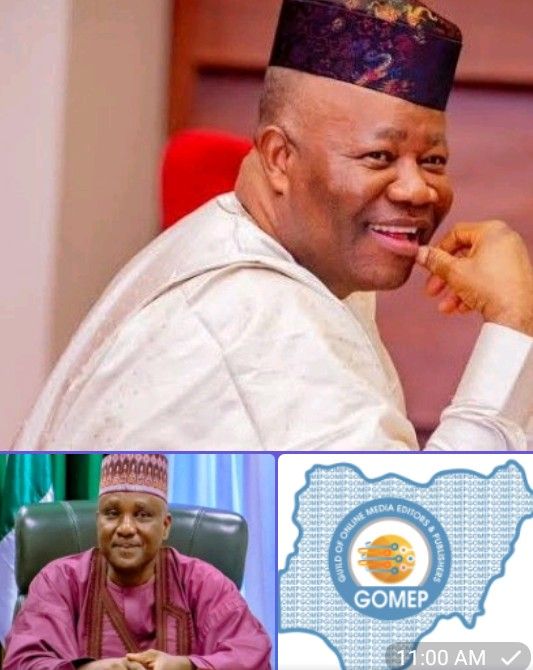
ABUJA – The Guild of Online Media Editors and Publishers of Nigeria (GOMEP-NG) has called on the National Assembly to immediately withdraw the proposed amendment seeking tighter regulation of social media and digital platforms, warning that the legislation could undermine press freedom, restrict freedom of expression, and negatively impact Nigeria’s growing digital economy.
In a statement issued in Abuja, the Guild urged lawmakers to abandon the proposed amendment and instead channel their legislative efforts toward policies and reforms that directly promote national development, improve the welfare of Nigerians, and address the pressing aspirations of their constituents.
According to GOMEP-NG, while it supports responsible use of digital platforms and measures aimed at tackling misinformation, cybercrime, and harmful online content, such objectives should not come at the expense of constitutionally guaranteed rights to free expression and access to information.
The Guild argued that Nigeria’s online media ecosystem has become an important pillar of democratic governance, public accountability, and civic engagement, providing millions of citizens with timely access to news and information. It noted that any law capable of limiting the operations of legitimate online publishers and journalists could have unintended consequences for media freedom and democratic participation.
Speaking on the proposed legislation, the National Secretary of GOMEP-NG, Prince Clinton Uba, described the bill as a major source of concern for online media practitioners across the country. He warned that if enacted in its current form, the amendment could have far-reaching implications for journalists, publishers, bloggers, content creators, digital entrepreneurs, and other stakeholders operating within Nigeria’s expanding digital ecosystem.
Prince Uba appealed to the leadership of the National Assembly to ensure that any legislation affecting digital communication platforms is subjected to broad-based public consultation involving media organizations, civil society groups, legal experts, technology professionals, and other relevant stakeholders.
He emphasized that inclusive engagement would produce a more balanced legal framework capable of addressing legitimate concerns such as misinformation and online abuse while preserving constitutional rights and encouraging innovation within the digital space.
The Guild further stressed that legislation relating to the internet and digital communication must remain consistent with the provisions of the 1999 Constitution of the Federal Republic of Nigeria (as amended), particularly those guaranteeing freedom of expression, press freedom, and the right of citizens to receive and impart information without undue interference.
GOMEP-NG’s position comes amid growing nationwide opposition to the proposed amendment. Several civil society organizations, including the Socio-Economic Rights and Accountability Project (SERAP), have also urged the National Assembly to withdraw the bill, arguing that it could infringe on fundamental human rights and democratic freedoms if enacted.
The Guild reaffirmed its commitment to ethical journalism, responsible digital publishing, and constructive engagement with government institutions, expressing optimism that lawmakers would prioritize legislation that strengthens democratic governance, protects civil liberties, promotes innovation, and advances Nigeria’s social and economic development.
